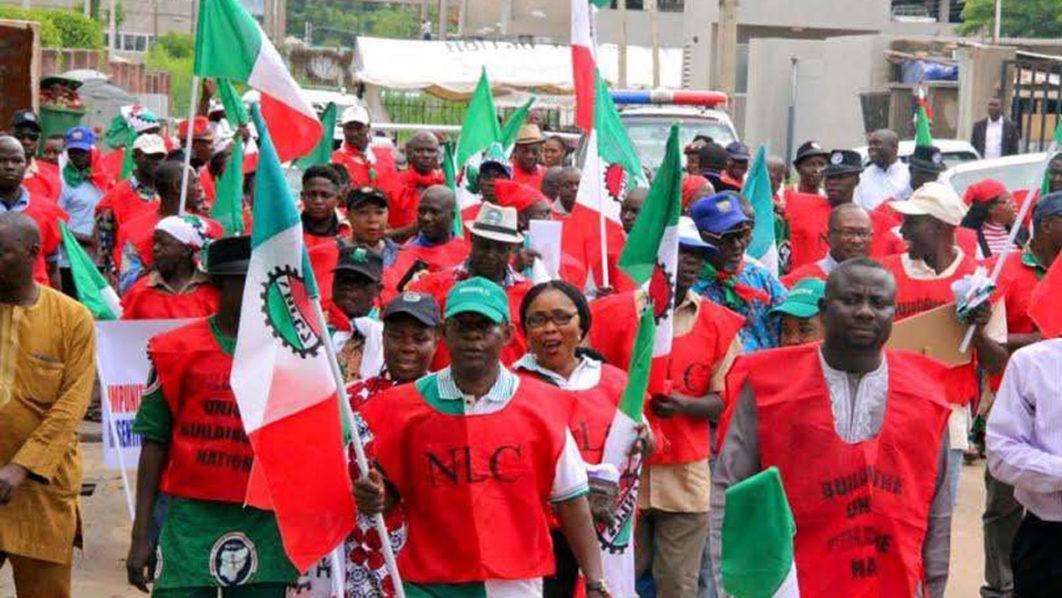
The Nigeria Labour Congress (NLC) has renewed its call for a review of Nigeria’s minimum wage, saying the current ₦70,000 wage is no longer sufficient to meet the basic needs of workers amid rising inflation and the escalating cost of living.
The demand was made at the Nigeria Rights of Workers Summit 2026, held in Birnin Kebbi, Kebbi State, as Nigeria marked 88 years since workers and trade unions gained legal recognition.
The summit, themed “The Rights of Workers: Decent Work and a Just Economy in Nigeria,” brought together labour leaders, government representatives, workers, employers, civil society organisations and members of the National Industrial Court to discuss the challenges facing Nigerian workers.
A major issue at the gathering was the declining purchasing power of workers across the country. Participants raised concerns about rising food and living costs, workplace safety, job insecurity, discrimination and the welfare of casual and other non-traditional workers.
Speaking on behalf of NLC President Joe Ajaero, the congress’s Deputy President, Adewale Adeyanju (Amba), described the national minimum wage as one of the most pressing issues confronting workers.
Adeyanju argued that the economic environment has changed significantly since the current wage structure was introduced, leaving many workers struggling to cope with everyday expenses. He said the ₦70,000 minimum wage can no longer adequately reflect the economic realities facing Nigerian workers, particularly as the cost of essential goods and services continues to rise.
The labour leader also called for renewed negotiations between organised labour, the Federal Government and state governments, arguing that the expiration of the existing wage arrangement makes a fresh discussion on workers’ pay necessary.
The demand comes as Nigerian households continue to contend with increased living expenses, putting additional pressure on workers whose salaries have not kept pace with the rising cost of basic necessities.
However, discussions at the summit went beyond wages. Former NLC President Ayuba Wabba stressed that decent work should not be measured by salary alone. According to Wabba, protecting workers’ rights, providing social protection and maintaining meaningful dialogue between employees, employers and government are equally important components of decent employment.
He urged policymakers and other stakeholders to develop measures that would protect workers’ dignity and job security while providing adequate social protection, particularly as households continue to face economic pressures.
The summit’s convener and Executive Director of Call a Lawyer, Ekpa Stanley, said the gathering was intended to serve both as a commemoration of Nigeria’s trade union history and an opportunity to assess the progress and challenges that remain in protecting workers.
He noted that the 88th anniversary should encourage stakeholders to examine whether decades of trade union activities and collective bargaining have translated into meaningful improvements in the lives of Nigerian workers.
Meanwhile, Kebbi State Governor Nasir Idris assured workers that his administration would implement any new national minimum wage eventually agreed upon by the Federal Government.
Idris also pledged to advocate for improved remuneration for workers during discussions at the Nigeria Governors’ Forum. “Whatever is agreed upon at the national level on the minimum wage, Kebbi State will implement it,” the governor said.
His position could provide some reassurance to workers in Kebbi as organised labour continues to push for a wage structure that reflects current economic conditions.
Beyond remuneration, participants at the summit called for stronger enforcement of labour laws, safer workplaces and better protection against discrimination. They also highlighted the need to pay greater attention to workers in informal, casual and other forms of employment that often fall outside traditional labour protections.
As Nigeria reflects on 88 years of legally recognised trade unionism, labour leaders say the anniversary should go beyond celebration. They argue that it should serve as a renewed call for policies that protect workers’ rights and ensure that collective bargaining leads to tangible improvements in wages, job security and living conditions.
The summit concluded with goodwill messages from labour leaders, affiliate unions and representatives of the National Industrial Court, alongside the presentation of awards to individuals recognised for their contributions to workers’ welfare and development, including Governor Nasir Idris.
Discover more from Scoop Hub
Subscribe to get the latest posts sent to your email.