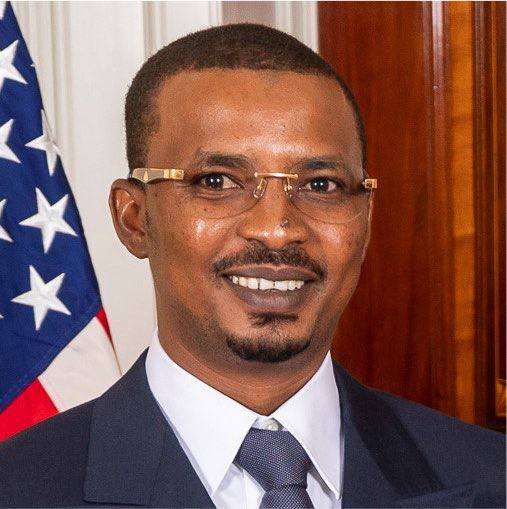
Chad has officially begun the process of withdrawing from the International Criminal Court (ICC), becoming the latest African nation to distance itself from the global judicial body over concerns of alleged bias and limited effectiveness.
The Central African nation submitted a formal notice to the United Nations, initiating its withdrawal from the Rome Statute—the treaty that established the ICC to prosecute individuals accused of genocide, crimes against humanity, war crimes, and the crime of aggression. Under the court’s rules, the withdrawal process is expected to take at least one year before it becomes effective.
Chad’s decision marks another chapter in the growing wave of African countries reconsidering their relationship with the Hague-based court. Since 2025, Niger, Mali, and Burkina Faso have also announced plans to leave the ICC, arguing that the institution has disproportionately focused on African nations while failing to apply the same level of scrutiny elsewhere.
The move comes at a particularly challenging period for the International Criminal Court, which has been facing increasing political and institutional pressure. On July 24, the court’s Chief Prosecutor, Karim Khan, stepped aside following allegations of sexual misconduct, adding to the uncertainty surrounding the institution’s leadership.
The ICC has also faced renewed criticism from the United States. Earlier this month, U.S. Secretary of State Marco Rubio announced that Washington was intensifying efforts to counter what he described as the court’s threat to U.S. national sovereignty. His remarks followed an executive order signed by President Donald Trump in February 2025 that imposed sanctions on the ICC over its investigations involving U.S. ally Israel.
The U.S. Bureau of African Affairs welcomed Chad’s decision in a statement shared on X, describing the withdrawal as a step toward reclaiming national sovereignty. The agency also encouraged other member states of the Rome Statute to reconsider their participation in the court.
Massad Boulos, Senior Adviser for Africa and the Middle East at the U.S. State Department, also praised Chad’s decision on social media. He reiterated the U.S. government’s position that every diplomatic option remains under consideration as part of its broader campaign against what it views as the ICC’s overreach.
Established in 2002, the International Criminal Court currently has 125 member states and was created to hold perpetrators of the world’s most serious crimes accountable when national courts are unable or unwilling to do so. However, the court has long faced criticism from several African governments, which argue that it has unfairly targeted leaders from the continent while overlooking alleged violations committed in other regions.
As Chad moves forward with its withdrawal, the decision is expected to fuel ongoing debates about the future of international justice, the credibility of the ICC, and the balance between global accountability and national sovereignty.
Discover more from Scoop Hub
Subscribe to get the latest posts sent to your email.