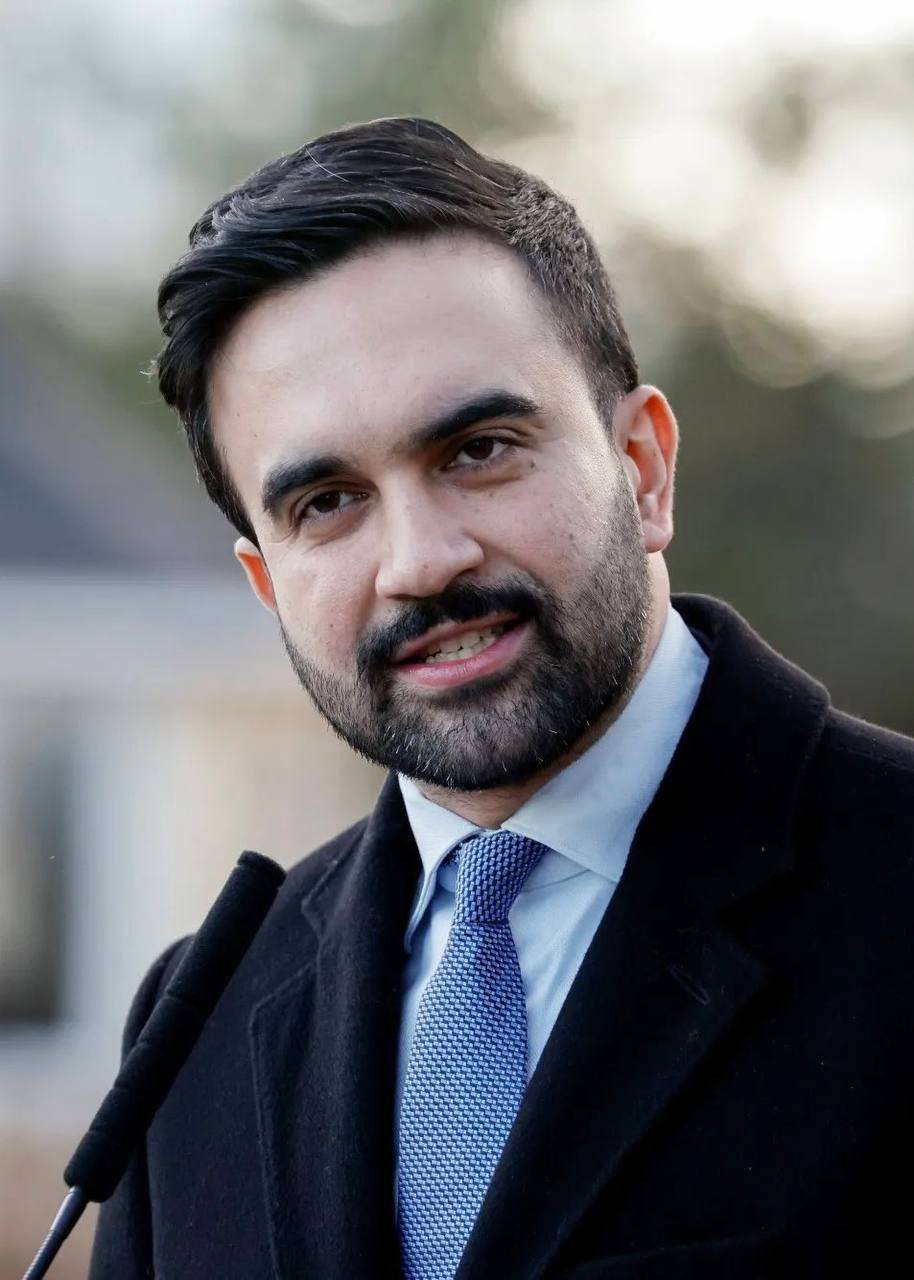
New York City Mayor Zohran Mamdani has unveiled new details of his administration’s plan to establish government-owned grocery stores, announcing that the outlets will offer 30% discounts on essential food items in an effort to make groceries more affordable for residents.
Speaking at a press conference in Brooklyn on Monday, Mamdani said the initiative is designed to help families cope with the rising cost of living by reducing the prices of everyday necessities such as fresh produce, meat, and other kitchen staples.
According to the mayor, the city plans to open five government-owned grocery stores, with one located in each of New York City’s five boroughs. The first store is expected to open in the Bronx toward the end of 2027, while all five locations are scheduled to be operational before the end of his four-year term in office.
Mamdani said the discounted pricing could provide meaningful financial relief for households struggling with food costs. “In the wealthiest city, in the wealthiest country in the history of the world, no New Yorker should have to worry about being able to afford to feed their family,” the mayor said while unveiling the proposal.
Under the plan, New York City will provide the retail spaces and cover rental costs as well as property taxes, while private operators will be selected to manage the day-to-day running of the stores. City officials have already begun the process of identifying suitable operators for the project.
The grocery store initiative formed a key part of Mamdani’s election campaign, which focused heavily on policies aimed at improving affordability for working-class residents. He has previously described the project as a practical experiment, noting that if it proves unsuccessful, the city would reassess the approach.
Despite its goal of lowering food costs, the proposal has generated mixed reactions. Some owners of neighborhood grocery stores and New York’s well-known bodegas have expressed concern that government-backed stores offering heavily discounted prices could make it difficult for small businesses to compete.
Addressing those concerns, Mamdani emphasized that the city-owned stores are not intended to replace or undermine existing local businesses. He explained that the outlets will focus exclusively on affordable grocery items and will not sell products such as hot meals, alcoholic beverages, or cigarettes—items that generate significant revenue for many privately owned stores.
According to the mayor, the objective is to complement, rather than compete with, neighborhood retailers by providing guaranteed access to affordable groceries without disrupting the broader local retail market.
The proposal has also drawn scrutiny from policy analysts. Andrew Rein, president of the Citizens Budget Commission, called for a comprehensive assessment of the program’s overall cost, its potential impact on privately owned grocery stores, and whether it represents the most effective strategy for addressing food insecurity and rising grocery prices.
Rein argued that policymakers should also examine the underlying factors driving food inflation before committing substantial public resources to subsidized grocery stores. City officials have already identified potential locations for stores in Manhattan and the Bronx, while sites in Brooklyn, Queens, and Staten Island are still being finalized.
If successfully implemented, the initiative would represent one of the most ambitious government-led efforts in the United States to improve food affordability through publicly supported grocery retail, offering New Yorkers access to discounted essential groceries as living costs continue to rise.
Discover more from Scoop Hub
Subscribe to get the latest posts sent to your email.