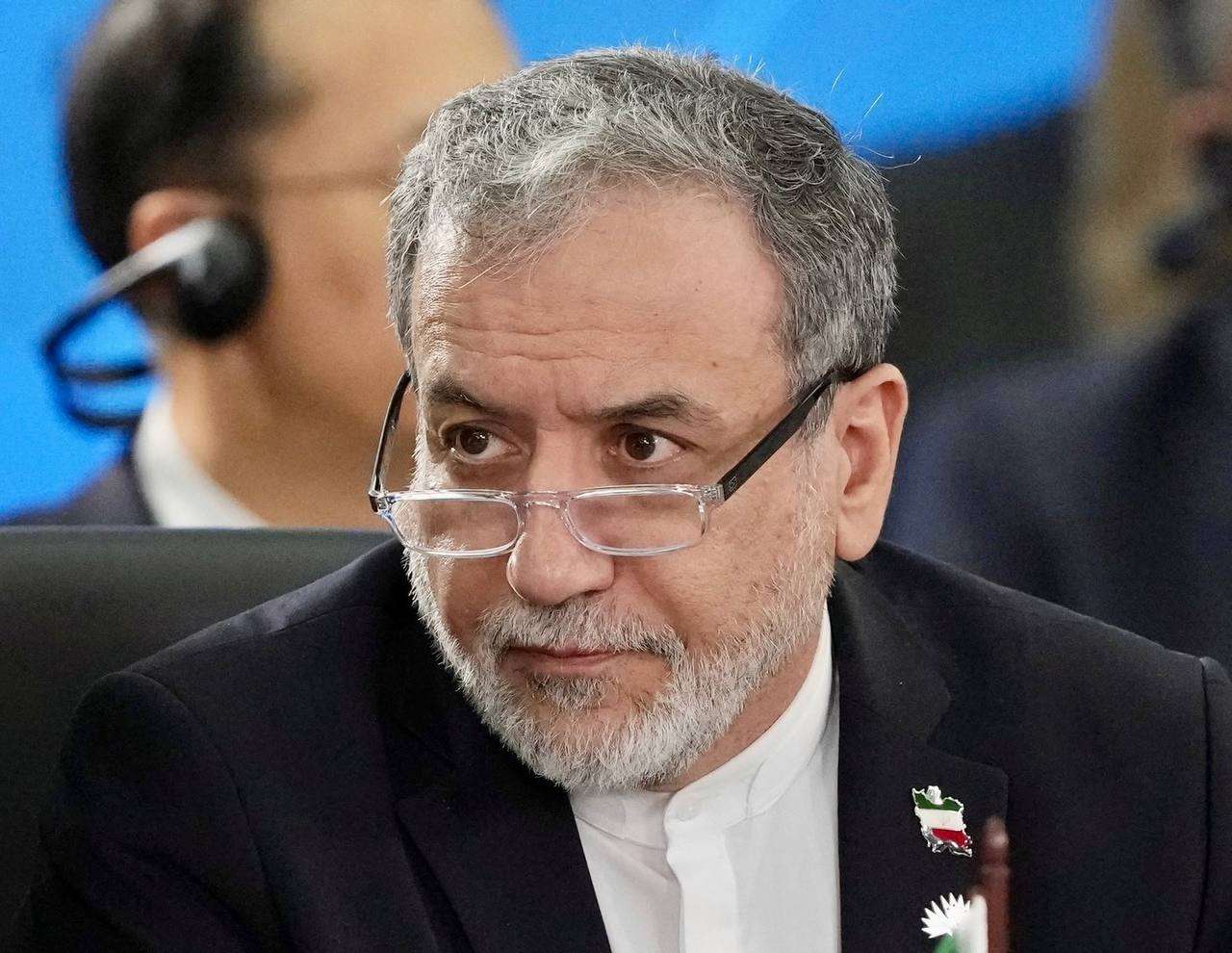
Iran’s Foreign Minister Abbas Araghchi has declared that Tehran will not be intimidated despite growing military tensions with the United States, insisting that the country remained committed to defending its position even while engaging in diplomatic negotiations under the threat of military action.
Speaking in an interview with Mehr News Agency on Sunday, July 19, Araghchi claimed that Iran held talks with US Special Envoy Steve Witkoff while facing the constant possibility of military strikes, highlighting what he described as the extraordinary circumstances surrounding the negotiations.
According to Araghchi, he questioned the US envoy during one of the discussions by asking whether he had ever participated in negotiations while there was a possibility of being bombed at any moment. Although the Iranian foreign minister did not specify when the meeting took place, he used the remark to illustrate the level of pressure Iran says it faced during diplomatic engagements.
Araghchi also dismissed suggestions that external pressure could force Tehran to alter its position, stating that Iran would not respond to intimidation. He argued that the country’s political system and leadership would remain resilient despite increasing military and diplomatic pressure.
The Iranian minister further accused both the United States and Israel of making what he described as two major strategic miscalculations. According to him, both countries underestimated Iran’s ability to resist military action and expected a swift outcome that failed to materialize.
Commenting on Israel’s military operations, Araghchi claimed that Israeli leaders believed a short campaign would achieve their objectives but were ultimately unable to accomplish their goals, forcing an end to the offensive.
His comments come as tensions across the Middle East continue to escalate following a series of military confrontations involving Iran, the United States and Israel.
The latest developments saw the conflict widen after an Iranian attack on a US military base in Jordan reportedly killed two American service members, left another missing and injured four others. The incident prompted fresh US airstrikes targeting Iranian positions, triggering another round of retaliatory attacks and raising concerns about the risk of a broader regional conflict.
The renewed exchange of military action has intensified fears of further instability across the Middle East, with international observers closely monitoring diplomatic efforts aimed at preventing the crisis from expanding further.
As hostilities continue, Araghchi’s remarks underscore Iran’s determination to project resilience while maintaining that it is prepared to engage in negotiations even under extreme circumstances. Meanwhile, the ongoing cycle of military strikes and counterstrikes continues to pose significant challenges to regional security and international efforts to restore stability.
Discover more from Scoop Hub
Subscribe to get the latest posts sent to your email.