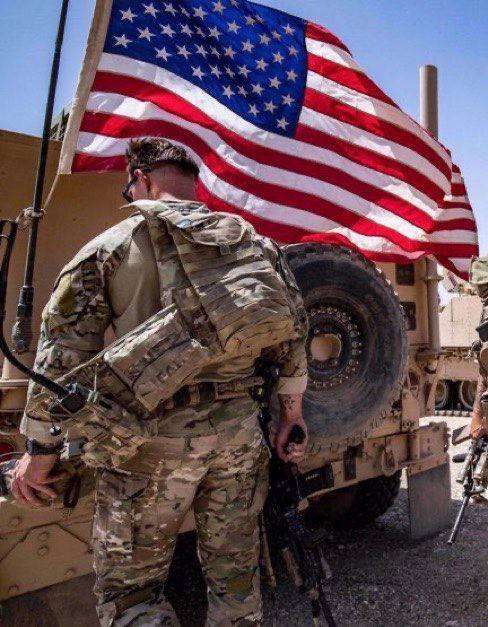
Iraqi Prime Minister Ali al-Zaidi has announced that all United States troops stationed in Iraq will complete their withdrawal by the end of September, marking the end of a prolonged American military presence that has spanned more than two decades.
The announcement was made on Tuesday during the prime minister’s visit to the White House, where he held bilateral talks with U.S. President Donald Trump on the future of relations between the two countries.
Speaking after the meeting, al-Zaidi said the withdrawal signals the beginning of a new chapter in U.S.-Iraq relations, with both nations shifting their focus from military cooperation to economic partnership.
According to the Iraqi leader, American companies are expected to expand their presence in Iraq as the two governments seek to strengthen investment, trade, and commercial ties. He emphasized that future cooperation will increasingly center on economic development rather than security operations.
President Trump also confirmed that the United States no longer considers a military presence necessary in Iraq. He noted that American businesses, particularly in the energy sector, have already established strong partnerships in the country and expressed optimism that U.S. oil companies would continue expanding their operations in Iraq.
The planned withdrawal marks another significant milestone in the long and complex relationship between Washington and Baghdad.
U.S. forces first entered Iraq during the 2003 invasion, which led to the overthrow of Saddam Hussein’s government. Although American troops formally withdrew from the country in 2011, they returned several years later at the request of the Iraqi government to support the fight against the Islamic State (ISIS) following the group’s rapid territorial expansion.
In 2021, the United States officially ended its combat mission in Iraq, transitioning its military role to training, advisory, and intelligence support for Iraqi security forces.
Despite the reduced military footprint in recent years, U.S. forces have continued to play an important role in supporting Iraq’s security efforts and countering the activities of extremist groups and Iran-backed armed factions operating within the country.
The announcement of a complete withdrawal has prompted discussions among regional security analysts about its potential implications for Iraq and the wider Middle East.
Some observers believe Iraq’s security forces have developed sufficient capacity to manage internal security challenges independently, while others warn that the departure of U.S. troops could create opportunities for extremist groups to regroup or alter the regional balance of power.
The withdrawal is also expected to reshape diplomatic and economic relations between the United States and Iraq as both governments place greater emphasis on investment, infrastructure development, energy cooperation, and private-sector partnerships.
As the September deadline approaches, attention will focus on how Iraq manages its security responsibilities without a permanent U.S. military presence and how the evolving relationship between the two countries influences stability across the region.
The planned exit marks the conclusion of one of the longest U.S. military deployments in the Middle East and signals a strategic shift toward a partnership built primarily on economic cooperation and long-term development.
Discover more from Scoop Hub
Subscribe to get the latest posts sent to your email.