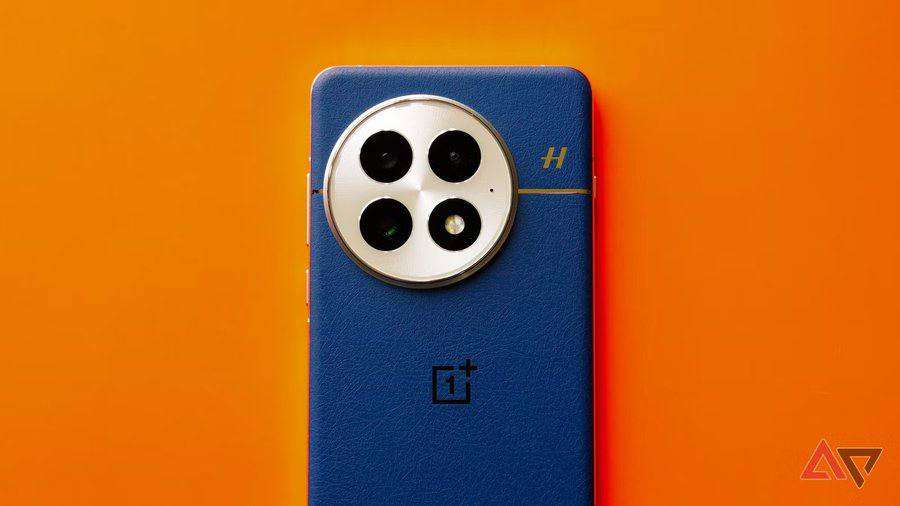
Android smartphone manufacturer OnePlus is reportedly preparing to end its operations in the United States and Europe as part of a broader restructuring effort by its parent company, Oppo, according to a report by Bloomberg.
The move comes at a challenging time for the global smartphone industry, which is grappling with rising production costs, weakening consumer demand, and ongoing supply chain pressures.
According to the report, OnePlus is expected to begin winding down its business activities in the U.S. and European markets this week. Sources familiar with the matter indicated that the decision forms part of a wider corporate reorganization within Oppo as the company seeks to streamline operations and adapt to changing market conditions.
The report also suggests that OnePlus plans to scale back operations in India, one of its most important international markets outside China. In addition, concerns have emerged over the future of some manufacturing facilities in China and India as the company reassesses its global footprint.
Founded in 2013 by Pete Lau and Carl Pei, OnePlus quickly gained a loyal following among technology enthusiasts by offering premium Android smartphones at prices lower than many established competitors. The company built its reputation on delivering flagship-level performance and features while maintaining a strong value proposition.
Over the years, OnePlus expanded its product lineup beyond its original enthusiast-focused devices, introducing a wider range of smartphones and accessories to appeal to mainstream consumers. The launch of the Nord series further strengthened its presence in the mid-range smartphone segment, helping the brand reach a broader audience worldwide.
Despite its growth, the company has faced increasing challenges in recent years as competition intensified across the smartphone industry. The departure of co-founder Carl Pei in 2020, who later launched smartphone brand Nothing, marked a significant moment in the company’s evolution.
Industry analysts have warned that the global smartphone market is experiencing one of its toughest periods in years. Research firms such as IDC and Counterpoint Research have projected a significant decline in smartphone shipments throughout 2026, driven largely by supply constraints and weaker consumer spending.
A major factor behind the slowdown is the ongoing shortage of memory components, a situation some analysts have dubbed “RAMageddon.” Limited availability of key hardware components has increased manufacturing costs and affected production schedules across the industry.
Counterpoint Research recently reported that Oppo experienced a double-digit decline in smartphone shipments during the second quarter of 2026 compared to the same period last year. According to the report, weaker demand across several of the company’s key markets contributed to the downturn.
While OnePlus is reportedly reducing its international operations, the brand is expected to continue serving the Chinese market, where it remains a recognized player in the competitive smartphone landscape.
The restructuring is also expected to strengthen Oppo’s focus on other brands within its portfolio. Reports indicate that Realme, another smartphone brand under the broader corporate umbrella, will continue expanding in selected international markets, including parts of Northern Europe, where it has recorded encouraging growth.
If confirmed, OnePlus’ withdrawal from major Western markets would mark the end of an important chapter for a brand that helped redefine the affordable flagship smartphone segment. The company’s rise from a niche startup to a globally recognized smartphone maker remains one of the most notable success stories in the Android ecosystem.
As the global technology industry navigates economic uncertainty and changing consumer behavior, OnePlus’ reported exit highlights the increasing challenges facing smartphone manufacturers in an increasingly competitive and cost-sensitive market.
Discover more from Scoop Hub
Subscribe to get the latest posts sent to your email.