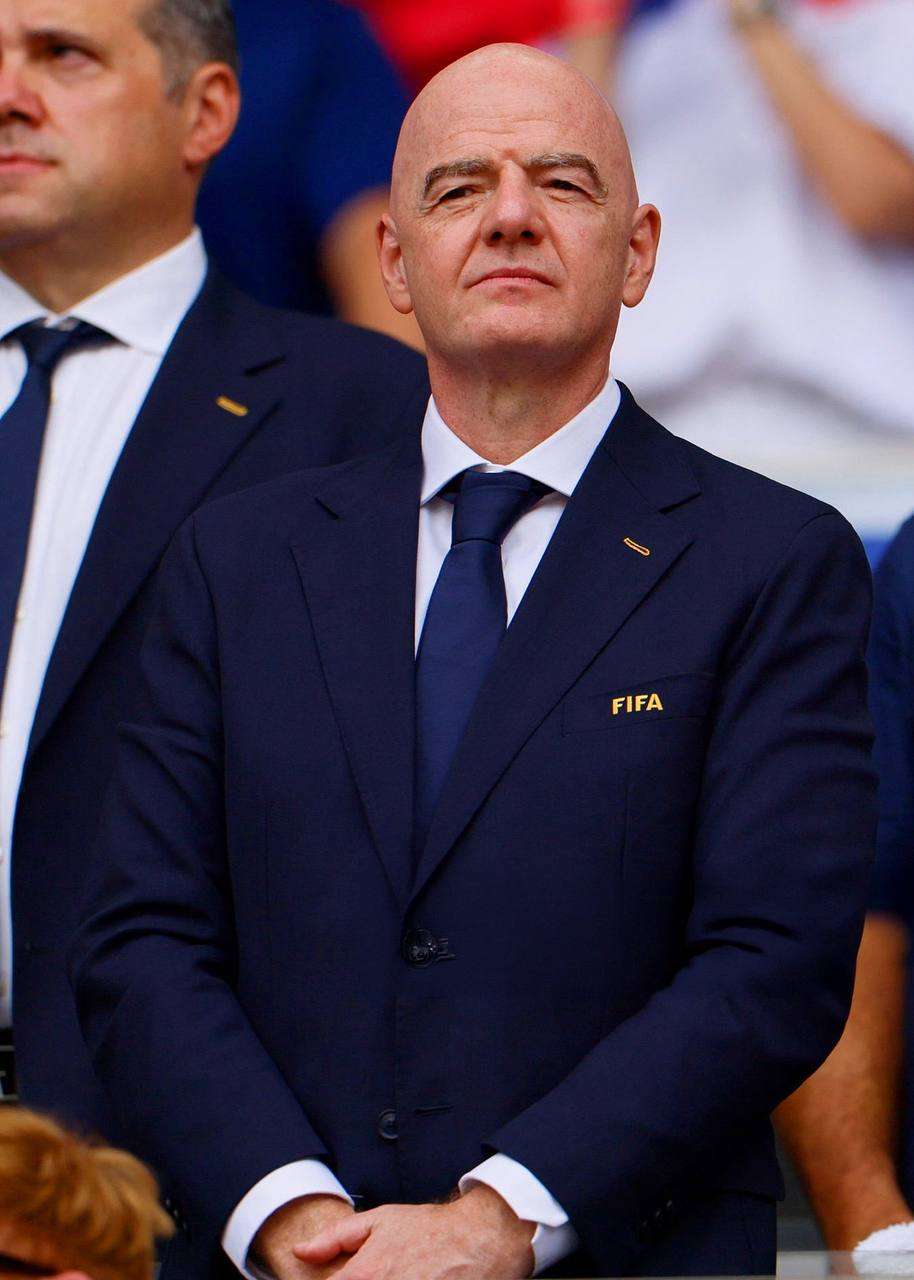
The German Football Association (DFB) has declined to sign a letter supporting Gianni Infantino’s bid for another term as FIFA President, signaling growing tension between one of Europe’s most influential football federations and the world governing body.
The decision comes ahead of FIFA’s presidential election, scheduled to take place during the FIFA Congress in Rabat, Morocco, on March 18, 2027.
According to reports, FIFA officials sought written endorsements from several European football associations during the ongoing World Cup in North America as part of efforts to rally support for Infantino’s re-election campaign. While many football federations have reportedly pledged their backing, Germany chose not to join the initiative.
The DFB confirmed its position in an official statement, making it clear that it had not endorsed Infantino’s candidacy.
“The DFB has not signed a letter of support for the re-election of Gianni Infantino,” the association stated, adding that its presidential board would discuss its next steps before making any further decisions regarding the election.
The move reflects a widening gap between the German Football Association, UEFA, and FIFA over several governance and disciplinary issues that have emerged in recent months.
One of the major points of contention has been the controversial handling of the Folarin Balogun disciplinary case during the World Cup. UEFA publicly criticized FIFA’s management of the matter, arguing that the governing body had crossed an important line in its handling of disciplinary procedures.
The controversy centered on Balogun’s participation in the United States’ Round of 16 match against Belgium despite receiving a red card in an earlier group-stage victory over Bosnia and Herzegovina. FIFA’s disciplinary committee later lifted the suspension, allowing the striker to feature in the knockout match.
The decision sparked widespread debate after reports suggested that former U.S. President Donald Trump had contacted Infantino to request a review of the case. Although FIFA and its disciplinary committee have consistently denied that any political influence affected the final ruling, the incident has continued to generate criticism from several football stakeholders.
DFB President Bernd Neuendorf has maintained that the issue should not be dismissed, emphasizing the importance of preserving transparency and confidence in football’s disciplinary processes.
Despite growing concerns among some European football associations, Infantino remains the overwhelming favorite to secure another term as FIFA president. Several football confederations from other regions have already expressed support for his leadership, putting him in a strong position ahead of the 2027 election.
However, the FIFA president is also facing scrutiny beyond football administration. Human rights organization FairSquare has reportedly submitted a formal complaint to the International Olympic Committee (IOC), alleging that Infantino may have breached rules relating to political neutrality.
The complaint focuses largely on Infantino’s relationship with Donald Trump and raises questions about whether those ties are compatible with the IOC’s ethical standards for its members. While the complaint does not directly affect the FIFA election process, it could increase pressure on Infantino as he seeks another term in office.
The German Football Association is expected to hold further internal discussions before deciding its official voting position ahead of the FIFA Congress.
As the 2027 presidential election draws closer, the stance taken by Germany could influence broader conversations within UEFA, where several member associations are carefully assessing FIFA’s governance and leadership. Whether European football bodies ultimately unite behind an alternative candidate or continue to support the current administration remains one of the key questions leading into the election.
The outcome of the vote in Rabat will determine who leads world football through the next four-year cycle and shape the future direction of FIFA at a time when issues of governance, transparency, and political neutrality remain at the forefront of global football.
Discover more from Scoop Hub
Subscribe to get the latest posts sent to your email.