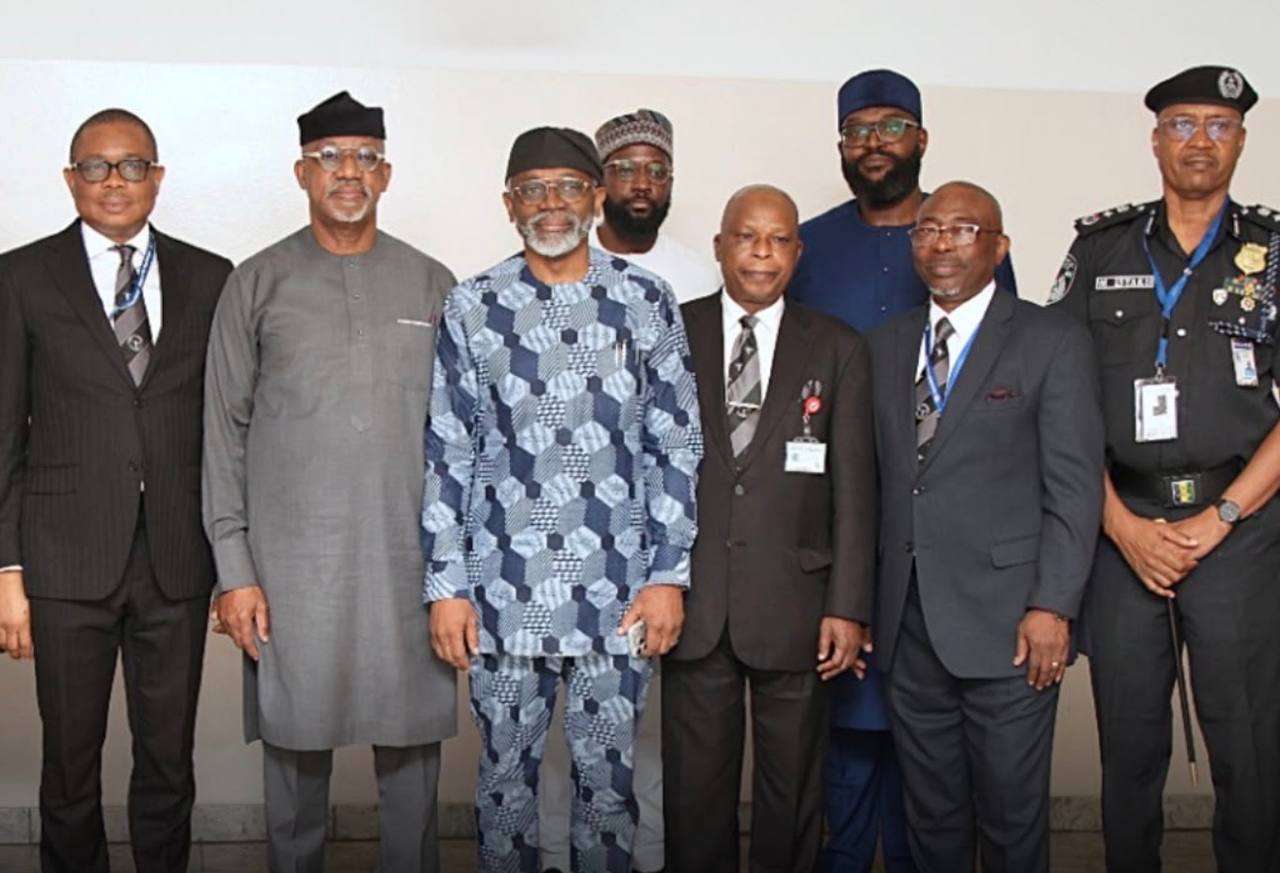
President Bola Tinubu has inaugurated the Presidential Working Group on the National Policing Bill, a key step toward establishing state police across Nigeria and creating a dual policing system that combines the Federal Police Service with state-controlled police services.
The committee was inaugurated on Tuesday at the Presidential Villa in Abuja, with the President represented by his Chief of Staff, Femi Gbajabiamila. The move follows the passage of the Constitution Alteration (State Police) Bill, 2026 by the National Assembly, which seeks to provide the constitutional foundation for the establishment of state police nationwide.
According to a statement issued by the President’s Special Adviser on Information and Strategy, Bayo Onanuga, while the constitutional amendment lays the legal groundwork for state policing, the proposed National Policing Bill will provide the operational framework required to bring the system into effect.
President Tinubu explained that the legislation will define critical areas necessary for the successful implementation of state police, including minimum policing standards, state readiness requirements, federal and state coordination mechanisms, accountability measures, human rights protections, and financial guidelines for the operation of state police services.
He noted that the working group was deliberately established ahead of the completion of the constitutional amendment process to ensure there are no unnecessary delays once the amendment receives final approval.
“The Constitution Amendment Bill creates the legal basis for dual policing, but the National Policing Bill will provide the practical framework needed for implementation,” the President said, adding that the committee’s responsibility is to produce a comprehensive, implementation-ready draft legislation for transmission to the National Assembly.
Femi Gbajabiamila will chair the Presidential Working Group, while its membership includes the Attorney-General of the Federation, the President of the Nigerian Bar Association (NBA), the Chairman of the Nigeria Governors’ Forum (NGF), the National Security Adviser, the Inspector-General of Police, and the Chairman of the NGF Committee on State Police. A dedicated secretariat will provide administrative support to the committee.
Speaking on behalf of the Nigeria Governors’ Forum, Ogun State Governor Dapo Abiodun pledged the full support of state governors, stating that they are ready to fast-track the ratification process once the constitutional amendment is forwarded to the various State Houses of Assembly.
Abiodun described the proposed state police system as a response to Nigerians’ long-standing demand for community-based policing. He also noted that the initiative builds on the success of regional security outfits such as Amotekun in the South-West, arguing that decentralised policing would significantly strengthen Nigeria’s security architecture.
According to him, if each of the 36 states deploys approximately 6,000 officers, Nigeria could add nearly 200,000 security personnel to complement the existing federal police force.
The Attorney-General of the Federation and Minister of Justice, Lateef Fagbemi, described the initiative as timely in view of the country’s security challenges. He urged state governors to work closely with their legislatures to ensure the speedy ratification of the constitutional amendment, stressing that improving national security requires collective responsibility.
The President of the Nigerian Bar Association, Afam Osigwe, also reaffirmed the association’s support for state policing, saying Nigeria’s security realities demand a more decentralised approach to law enforcement.
However, he cautioned that the enabling legislation must contain strong safeguards to prevent abuse of power by state authorities. According to him, while state police could improve security, the legal framework must guarantee accountability, protect citizens’ constitutional rights, and ensure the system is not used as a tool for political oppression.
The inauguration of the Presidential Working Group marks another significant milestone in Nigeria’s ongoing police reform efforts, as the Federal Government moves to establish a more decentralised policing structure aimed at improving security, strengthening community policing, and enhancing public safety across the country.
Discover more from Scoop Hub
Subscribe to get the latest posts sent to your email.