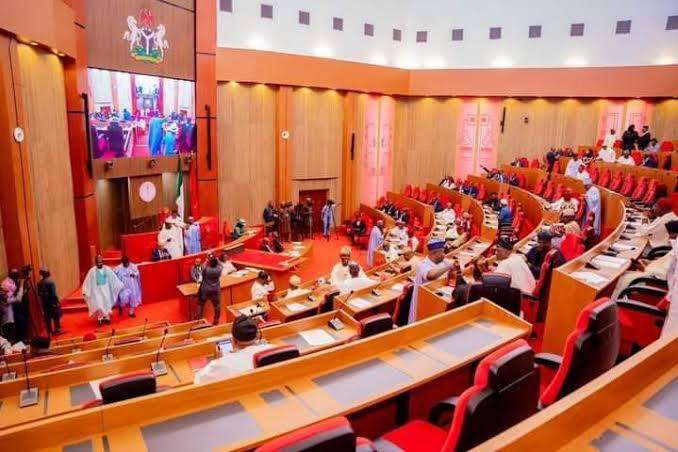
The Nigerian Senate is expected to confront the growing controversy surrounding the N1.3 billion allocation to the disputed Presidential Foreign Intervention Promotion Council (PFIPC) as lawmakers reconvene for plenary on Tuesday. The development follows fresh revelations that the council allegedly operated for more than a year using what authorities believe was a forged appointment letter, raising serious concerns about due process within key government institutions.
According to multiple Presidency and civil service sources, the alleged fraud began after Prince Adeniyi Adeyemi Mathew reportedly presented an appointment letter bearing the purported signature of the President’s Chief of Staff, Femi Gbajabiamila. The document was allegedly accepted by officials without proper verification, enabling the council to secure office space at the Federal Secretariat Complex in Abuja and function as though it were a legitimate government agency.
Sources familiar with the matter disclosed that administrative lapses across several government institutions, including the Civil Service Headquarters, the Budget Office and the National Assembly, allegedly contributed to the inclusion of N1.3 billion for the council in the 2026 Appropriation Act.
A source within the National Assembly revealed that Senate leadership is expected to address the issue during Tuesday’s plenary amid growing public concern over how the allocation found its way into the national budget.
According to the source, the council’s allocation was reportedly not presented as an independent budget item during the appropriation process. Instead, it was allegedly included alongside other Presidency-related expenditures, meaning it did not undergo the usual legislative scrutiny or budget defence before the relevant Senate committee.
Presidency officials have maintained that appointments into agencies under the Presidency are made exclusively by the President and formalised through the Office of the Secretary to the Government of the Federation (SGF), not by the Chief of Staff.
One senior Presidency official explained that the alleged appointment letter did not follow established government procedures and described it as fundamentally invalid.
The official noted that appointments to agencies under the Presidency require presidential approval before the SGF issues an official letter of appointment, adding that the Chief of Staff does not possess the constitutional authority to appoint heads of government agencies.
A senior civil servant familiar with the investigation alleged that the forged document became the foundation upon which the entire operation was built. According to the official, the suspect allegedly used the document to request office accommodation, complete with a proposed operational framework and terms of reference.
Once office space was allocated within the Federal Secretariat, the council reportedly gained significant credibility, allowing it to operate publicly, receive visitors, establish official branding and maintain an online presence without attracting immediate suspicion.
Authorities said the office was eventually sealed after Adeyemi’s initial arrest, although investigations suggest he allegedly continued his activities from another location.
The controversy has also attracted the attention of the Socio-Economic Rights and Accountability Project (SERAP), which has formally requested the leadership of the National Assembly to release all documents relating to the controversial budget allocation.
In a Freedom of Information request addressed to Senate President Godswill Akpabio and Speaker of the House of Representatives Tajudeen Abbas, SERAP demanded certified records explaining how the N1,302,978,784 allocation was approved.
The organisation also requested documents identifying the lawmakers who considered the budget, officials who defended it during the appropriation process, and clarification on whether the allocation originated from the Executive or was introduced during legislative deliberations.
SERAP argued that Nigerians have a constitutional right to know whether public funds were appropriated for an entity that was not legally established, warning that it would institute legal proceedings if the requested information is not released within seven days.
With lawmakers returning to the National Assembly, attention is now focused on the Senate’s response to the controversy, which has intensified public demands for greater transparency, accountability and stronger oversight in Nigeria’s budgetary process.
Discover more from Scoop Hub
Subscribe to get the latest posts sent to your email.