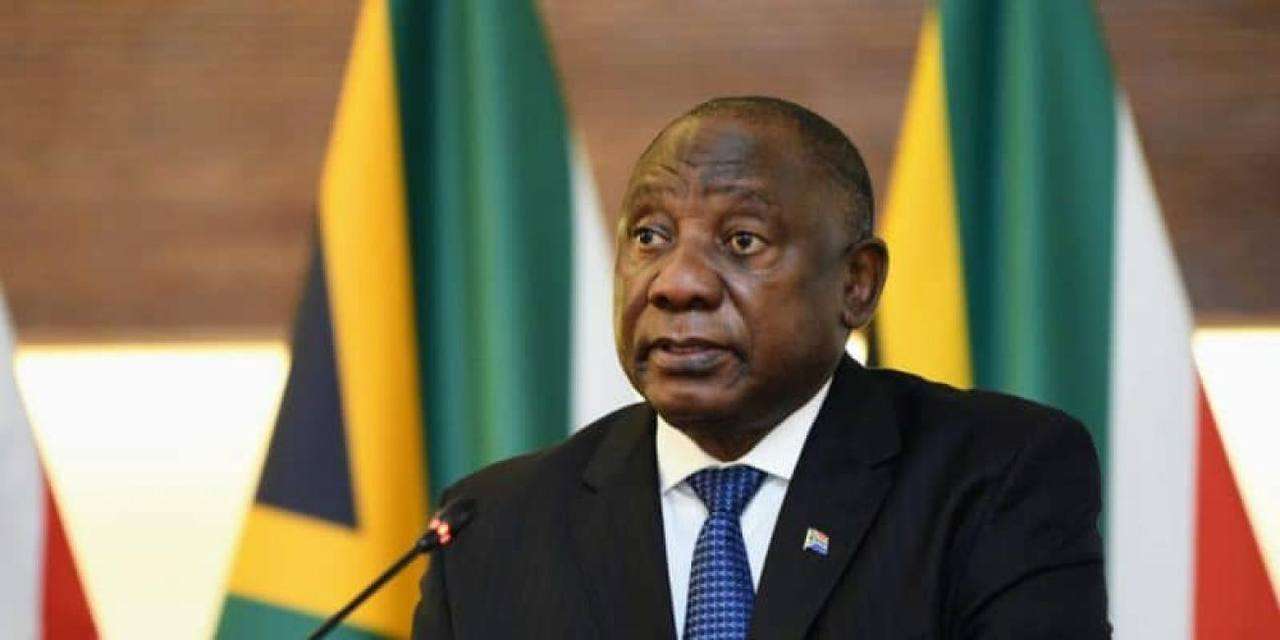
Diplomatic relations between Ghana and South Africa have come under renewed strain after the Ghanaian government declined to host South African President Cyril Ramaphosa for a planned state visit, citing concerns over the reported killing of a Ghanaian citizen and the safety of its nationals living in South Africa.
President Ramaphosa had been scheduled to visit Ghana during the first week of August as part of efforts to strengthen the longstanding diplomatic and economic relationship between the two African nations. The visit was also expected to provide an opportunity for discussions on bilateral cooperation and concerns surrounding attacks on foreign nationals.
However, Ghanaian authorities have decided to postpone the visit, saying the security of Ghanaian citizens in South Africa must take priority over high-level diplomatic engagements.
The move follows the death of 40-year-old Bashiru Isak, whom Ghana says was killed during demonstrations linked to renewed anti-immigrant violence in South Africa on June 30, 2026.
According to officials in Accra, Isak was shot dead during what they described as anti-immigrant protests in Cape Town’s Khayelitsha township. Ghana has formally protested the incident to South African authorities while expressing broader concerns over the safety and welfare of its citizens residing in the country.
Ghanaian officials stated that the decision to postpone President Ramaphosa’s visit reflects the government’s growing concern over the protection of Ghanaians abroad and the need for clarity surrounding the circumstances of Isak’s death.
South Africa, however, has strongly disputed Ghana’s account of the incident.
Authorities in Pretoria insist that no fatalities were recorded during the nationwide demonstrations held on June 30, which drew thousands of participants in various parts of the country.
South Africa’s Justice Minister, Mmamoloko Kubayi, accused Ghanaian authorities of circulating inaccurate information that could damage the country’s international reputation.
“It is concerning that Ghanaian authorities continue to communicate false information about South Africa regarding developments on irregular migration,” Kubayi said in an official statement.
She further rejected claims that the demonstrations were evidence of widespread xenophobia, describing what she called the spread of false narratives about South Africa as unacceptable.
“The spread of false information to perpetuate the false narrative that South Africa is xenophobic is unacceptable,” she added.
The differing accounts have heightened diplomatic tensions between the two countries while once again drawing attention to the recurring issue of violence against foreign nationals in South Africa. Incidents involving African migrants have, over the years, sparked concern among several governments across the continent and prompted repeated calls for stronger protection of foreign residents.
Despite the current disagreement, Ghana and South Africa continue to share one of Africa’s most significant bilateral relationships. The two countries maintain close cooperation in areas including trade, investment, regional integration and continental development through various African institutions.
Diplomatic engagements between both governments are expected to continue in the coming weeks as efforts are made to establish the facts surrounding the reported incident, address Ghana’s security concerns and preserve the longstanding partnership between the two nations.
Discover more from Scoop Hub
Subscribe to get the latest posts sent to your email.