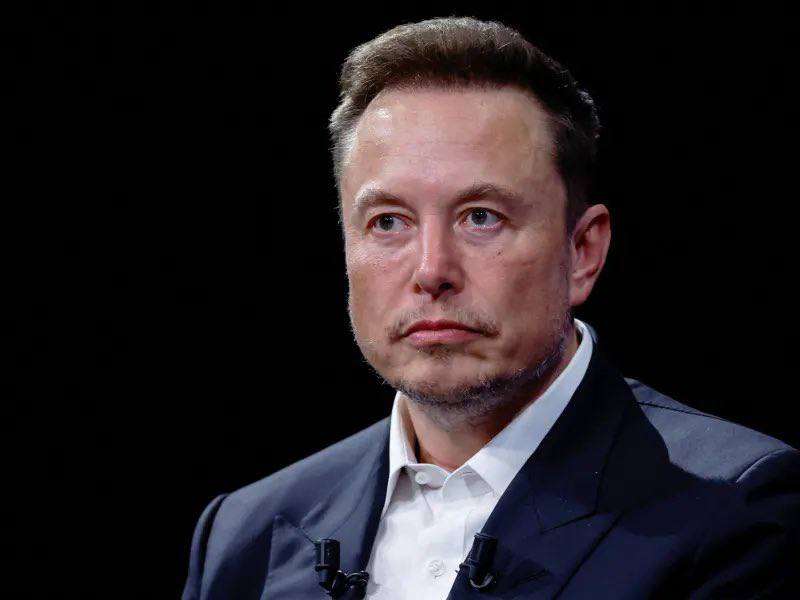
Tech billionaire Elon Musk has shared a bold vision of the future, predicting that advances in artificial intelligence and robotics will eventually transform the global workforce by making paid employment optional.
In a post on X, the Tesla and SpaceX CEO argued that the rapid evolution of AI, combined with increasingly capable robots, will reach a point where machines can perform virtually every type of human task. According to Musk, this technological shift could pave the way for what he described as “universal high income,” allowing people to meet their financial needs without relying on traditional employment.
Musk suggested that as intelligent machines become capable of handling nearly all forms of work, society could experience a fundamental economic transformation in which employment becomes a matter of personal choice rather than necessity.
His comments reflect a long-standing belief that artificial intelligence will dramatically reshape industries, automate routine and complex tasks, and redefine the relationship between people and work over the coming decades.
The remarks quickly sparked widespread discussion across social media and the technology community. While some users welcomed the idea of AI-driven prosperity and greater personal freedom, others questioned whether a future with little or no human work would be practical or desirable.
Several engineers, economists and technology professionals responded by arguing that employment provides more than just financial security. Many noted that work also offers purpose, structure, social interaction and opportunities for personal development, raising concerns that a fully automated future could have significant social and psychological consequences.
Others pointed out that although artificial intelligence is advancing rapidly, many industries still rely heavily on human creativity, judgment, emotional intelligence and hands-on expertise. They argued that AI is more likely to transform jobs than eliminate the need for human workers altogether.
Musk has repeatedly warned that artificial intelligence will become one of the most disruptive technologies in history. While he has acknowledged its enormous potential to improve productivity and accelerate innovation, he has also stressed the importance of developing AI responsibly to ensure its benefits are shared broadly across society.
The concept of a universal high income, which differs from the more commonly discussed universal basic income, suggests a future where advances in automation generate such significant economic value that people can enjoy substantially higher living standards without depending on conventional employment.
As artificial intelligence continues to evolve and robotics become increasingly sophisticated, debates over the future of work, income distribution and economic opportunity are expected to intensify. Whether Musk’s prediction ultimately becomes reality remains uncertain, but his latest comments have once again placed the long-term impact of AI at the center of global conversation.
Discover more from Scoop Hub
Subscribe to get the latest posts sent to your email.