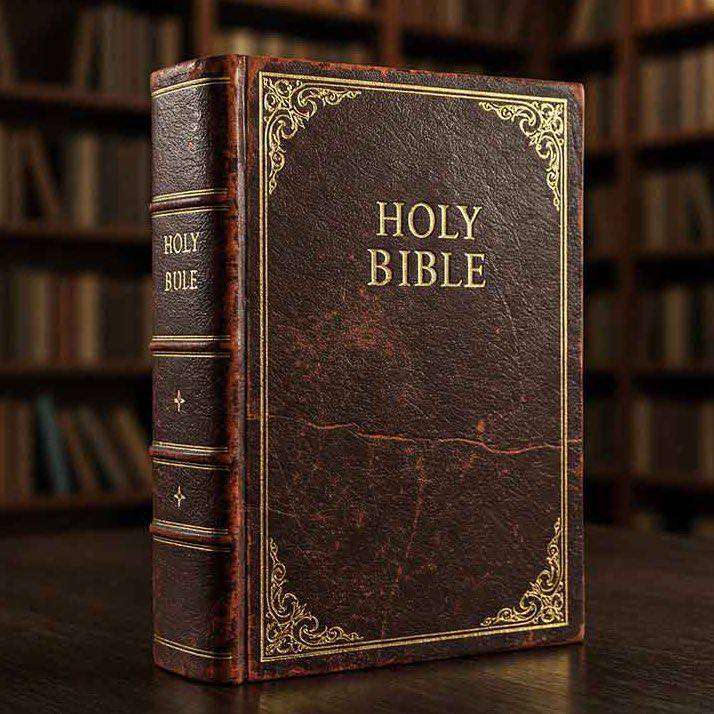
Texas has become the first U.S. state to approve a curriculum requiring public school students to study selected passages from the Bible, a landmark decision that has reignited a nationwide debate over the role of religion in public education and the constitutional separation of church and state.
The Republican-controlled Texas State Board of Education voted 9-5 in favor of the new reading requirements, with one Republican joining Democratic members in opposing the measure. The curriculum, which is scheduled to take effect in 2030, will apply to approximately five million students enrolled in Texas public schools.
Under the approved reading list, students will study well-known biblical stories, including the creation account of Adam and Eve, the story of Moses and the burning bush from the Book of Exodus, teachings about Jesus in the New Testament, and the Parable of the Prodigal Son. The curriculum also features classic literary works such as Charles Dickens’ Great Expectations and William Shakespeare’s The Tragedy of Julius Caesar, alongside historical texts including Dr. Martin Luther King Jr.’s I’ve Been to the Mountaintop speech and former British Prime Minister Margaret Thatcher’s eulogy for President Ronald Reagan.
Supporters of the measure argue that understanding Judeo-Christian traditions is essential to learning about American history and the nation’s founding principles. Republican board member Brandon Hall described the decision as a historic moment, saying it marks the return of Bible instruction to Texas public schools for the first time in six decades.
However, the decision has drawn sharp criticism from civil liberties organizations, educators, and advocacy groups, who argue that the curriculum gives preferential treatment to Christianity while failing to adequately represent other faiths and cultural perspectives.
Felicia Martin, Executive Director of the Texas Freedom Network, said the reading list places Christianity at the center of the curriculum while overlooking the histories and contributions of Black, Brown, Indigenous communities and followers of other religious traditions. She argued that the approach presents a predominantly Western perspective that does not fully reflect the diversity of American society.
Teachers have also expressed concerns about the practical impact of the new requirements. Clare Haefner of the Texas Classroom Teachers Association said many educators believe the mandatory reading list is too extensive and could limit teachers’ ability to choose materials that best suit the needs of their classrooms. Although the final version of the curriculum was shortened before approval, the association maintains that it remains overly demanding.
The development comes amid a broader national conversation about the role of religion in public institutions. Speaking at a religious freedom event in Washington, D.C., on Friday, U.S. President Donald Trump welcomed the move, saying religious values are experiencing a renewed prominence across the country.
As implementation moves closer, the policy is expected to face continued legal, educational, and political scrutiny, with supporters viewing it as a restoration of America’s religious heritage and opponents warning it could challenge long-standing constitutional protections surrounding religious freedom in public education.
Discover more from Scoop Hub
Subscribe to get the latest posts sent to your email.