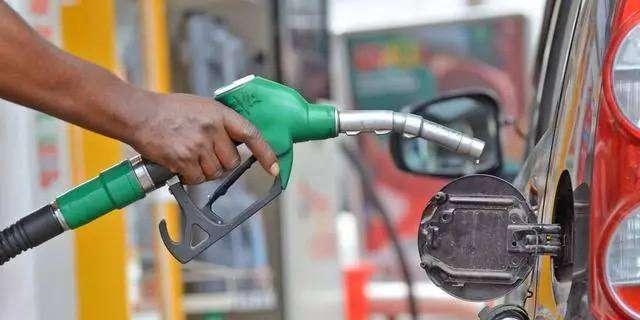
Motorists in Nigeria’s capital city, Abuja, are expressing growing frustration over the continued high cost of petrol despite a significant decline in global crude oil prices.
The concerns come as international oil prices have fallen sharply, dropping from around $150 per barrel to below $80 per barrel following the easing of tensions between the United States and Iran. The decline has raised expectations among consumers that fuel prices across Nigeria would also decrease, but many drivers say the anticipated relief has yet to materialize at most filling stations.
While some retail outlets have adjusted their pump prices, many others continue to sell petrol at rates that motorists believe do not reflect current market realities. Checks across several fuel stations in the Federal Capital Territory showed that some outlets have reduced prices, while others continue to charge substantially higher amounts per litre.
The development follows a recent decision by the Dangote Refinery to cut its petrol gantry price by ₦75 per litre after crude oil prices retreated below the $80 mark. Industry observers expected the reduction to trigger a broader decline in pump prices nationwide, but the adjustment has been gradual across the downstream petroleum sector.
Stakeholders within the industry say the situation is more complex than simply linking fuel prices to global crude oil movements. The Petroleum Products Retail Outlets Owners Association of Nigeria (PETROAN) has urged fuel importers and marketers to pass the benefits of lower crude prices on to consumers, arguing that Nigerians should enjoy the gains from reduced international energy costs.
However, independent marketers insist that immediate price reductions are not always possible. According to industry representatives, many fuel retailers purchased their products when prices were significantly higher and would incur major financial losses if they abruptly lowered pump prices before recovering their investments.
The Independent Petroleum Marketers Association of Nigeria (IPMAN) explained that the downstream sector now operates under a deregulated market structure, meaning there is no government compensation mechanism to offset losses when prices fall unexpectedly. As a result, marketers must carefully manage inventory purchased at older, higher rates before adjusting to new market conditions.
Industry operators also point to rising operational expenses as a major challenge. The cost of financing fuel purchases has increased substantially due to high interest rates, expensive insurance premiums, transportation costs, and other business expenses that continue to put pressure on profit margins.
Experts warn that fuel pricing remains one of the most sensitive issues in the Nigerian economy because of its direct impact on transportation, food prices, manufacturing costs, and overall inflation. Any increase in fuel costs quickly affects households and businesses, making price stability a key economic concern.
To address these challenges, industry stakeholders have proposed the creation of a dedicated Petroleum or Energy Bank that would provide financing support for fuel marketers and help absorb market risks. Such a system, they argue, could improve price stability and reduce the financial burden associated with sudden fluctuations in global oil markets.
There have also been renewed calls for the full rehabilitation and operation of Nigeria’s local refineries, including the Port Harcourt and Kaduna refineries. Industry leaders believe increased domestic refining capacity would strengthen competition, reduce dependence on imports, improve supply security, and help create a more stable fuel pricing environment.
As global oil prices continue to decline, many Nigerians will be watching closely to see whether fuel retailers across the country eventually pass the savings on to consumers. For now, motorists in Abuja and other parts of the country remain eager for lower pump prices that reflect the changing dynamics of the international oil market.
Discover more from Scoop Hub
Subscribe to get the latest posts sent to your email.