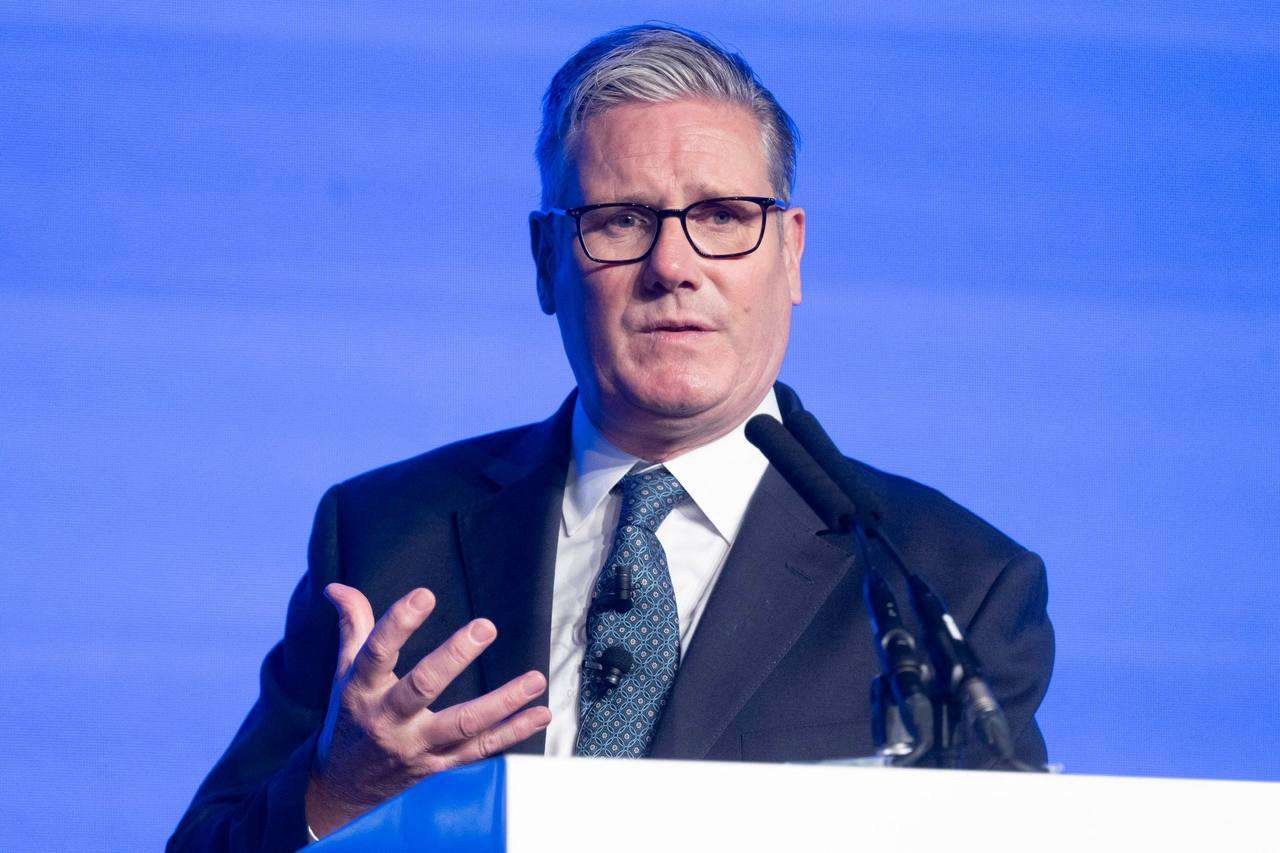
British Prime Minister Keir Starmer has officially announced his decision to step down as leader of the Labour Party, setting the stage for a leadership contest that will determine the United Kingdom’s next prime minister.
Speaking outside Downing Street, Starmer confirmed that he had informed King Charles III of his intention to resign and acknowledged that he was no longer the right person to lead the Labour Party into the next general election. His announcement follows months of growing pressure within the party over its electoral prospects and leadership direction.
Although he will remain prime minister during the transition period, Starmer said he had asked Labour’s governing body to begin the process of selecting a new leader. Under the proposed timetable, nominations for the leadership contest will open on July 9 and close before Parliament’s summer recess on July 16. If a competitive race takes place, Labour expects a new leader—and consequently a new prime minister—to be in place before Parliament returns in September.
In his resignation address, Starmer pledged to support his successor fully and ensure a smooth transfer of power. He expressed confidence that the next Labour leader would inherit a stronger and fairer Britain than the one his government took office to govern in 2024.
The announcement marks a dramatic turning point in British politics. Starmer became Labour leader in April 2020 and led the party to a landslide election victory in July 2024, ending years of Conservative rule. However, despite the historic win, his government faced mounting criticism over policy reversals, internal party tensions, and concerns about delivering the economic improvements promised to voters.
His departure will make him the shortest-serving Labour prime minister in modern British history. While his time in office exceeded that of former Conservative Prime Minister Liz Truss and his successor Rishi Sunak, it remains shorter than the tenure of every previous Labour prime minister.
Attention is now shifting to who will succeed him. Among the leading contenders is Andy Burnham, whose political standing received a significant boost following a decisive victory in the recent Makerfield by-election. Burnham has already confirmed his intention to enter the leadership race and is widely viewed as one of the strongest candidates to take over the party.
His campaign received early momentum after former Health Secretary Wes Streeting publicly endorsed his bid, reducing the likelihood of a major challenge from within the party’s senior ranks.
Starmer’s resignation also highlights the remarkable political instability Britain has experienced over the past decade. Once a successor is chosen, the country will have had seven prime ministers since 2016, reflecting a period of significant political change and shifting public expectations.
Standing alongside his wife Victoria during his announcement, Starmer said he had listened to the concerns of Labour lawmakers and accepted their verdict with dignity. He stated that leadership requires knowing when to step aside and allow a new generation to take the party forward.
As Labour begins the search for its next leader, the outcome of the contest is expected to shape not only the future of the governing party but also the direction of British politics ahead of the next general election.
Discover more from Scoop Hub
Subscribe to get the latest posts sent to your email.