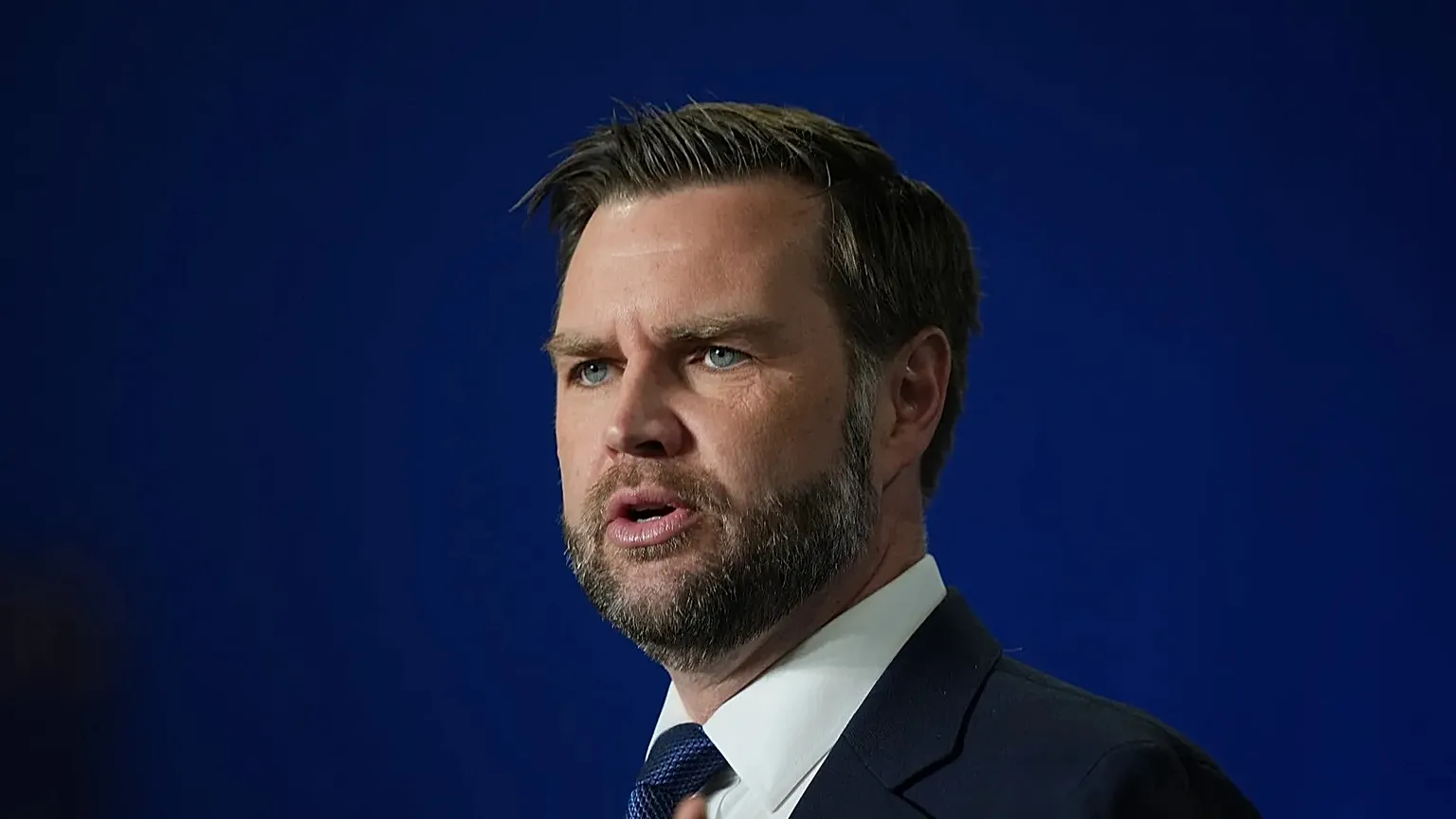
US Vice President JD Vance has strongly defended the recent agreement between the United States and Iran, while delivering a pointed response to critics within the Israeli government who have expressed dissatisfaction with the deal.
Speaking during a White House briefing, Vance emphasized the depth of American support for Israel, arguing that much of the country’s defensive military capability has been made possible through US assistance and funding provided by American taxpayers.
According to the vice president, approximately two-thirds of the defensive weapons systems that have helped protect Israel were built in the United States and financed through American tax dollars. He suggested that Israeli officials critical of the agreement should recognize the extent of Washington’s long-standing commitment to Israel’s security.
The remarks came amid reports that some members of the Israeli government, including allies of Prime Minister Benjamin Netanyahu, are unhappy with the US-Iran agreement aimed at ending the conflict in the Middle East. While Vance said he had not personally heard criticism from Netanyahu himself, he took issue with comments from certain cabinet members who have publicly opposed the deal and criticized US President Donald Trump.
Addressing those concerns, Vance argued that the United States remains Israel’s most important international partner and warned against attacking what he described as the country’s strongest ally. He stated that anyone who views the American president as Israel’s primary problem is failing to understand the broader geopolitical challenges facing the nation.
The US currently provides Israel with approximately $4 billion in military assistance each year, making Washington one of the most significant contributors to Israel’s defense capabilities. American support has played a central role in funding missile defense systems, military technology, and security cooperation between the two countries for decades.
The controversy surrounding the agreement stems from concerns among some critics in both the United States and Israel who believe the deal does not go far enough in addressing Iran’s missile development programme or its nuclear ambitions. Others have argued that the agreement could limit Israel’s ability to respond to security threats posed by Iranian-backed groups in the region, including Hezbollah in Lebanon.
Despite those concerns, the Trump administration has maintained that the agreement represents an important step toward ending hostilities and reducing instability across the Middle East. Officials argue that diplomacy offers the best opportunity to prevent further escalation while creating a framework for future negotiations.
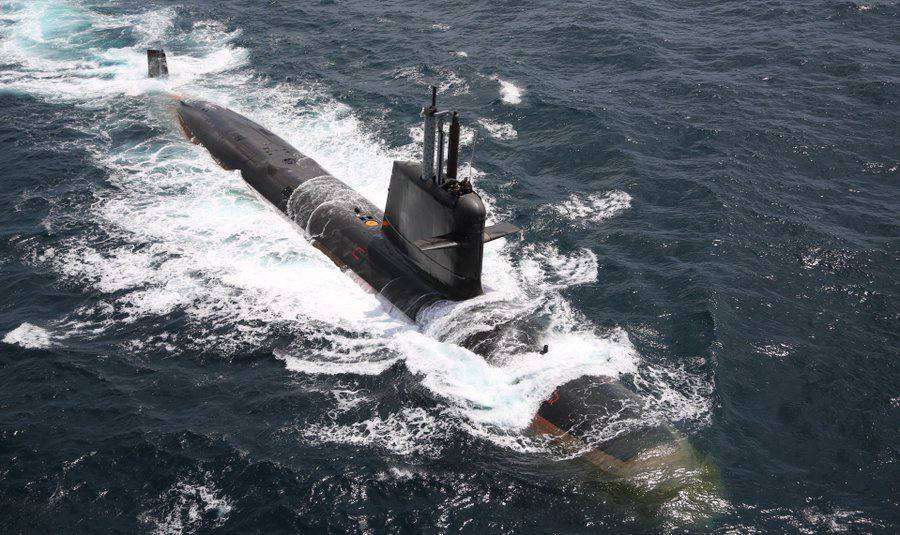
Meanwhile, Iran has announced plans to introduce a maritime fee system in the Strait of Hormuz following a 60-day negotiation period triggered by the signing of the memorandum of understanding. The strategic waterway remains one of the world’s most important shipping routes, carrying a significant portion of global oil exports.
The developments underscore the delicate balance between diplomacy, regional security, and international alliances as governments seek to navigate a new phase in relations between Washington, Tehran, and Jerusalem.
Discover more from Scoop Hub
Subscribe to get the latest posts sent to your email.