The Federal Government of Nigeria is set to launch 10,000 electric tricycles across the country beginning in August, marking a significant step toward modernizing public transportation, reducing mobility costs, and promoting cleaner energy solutions.
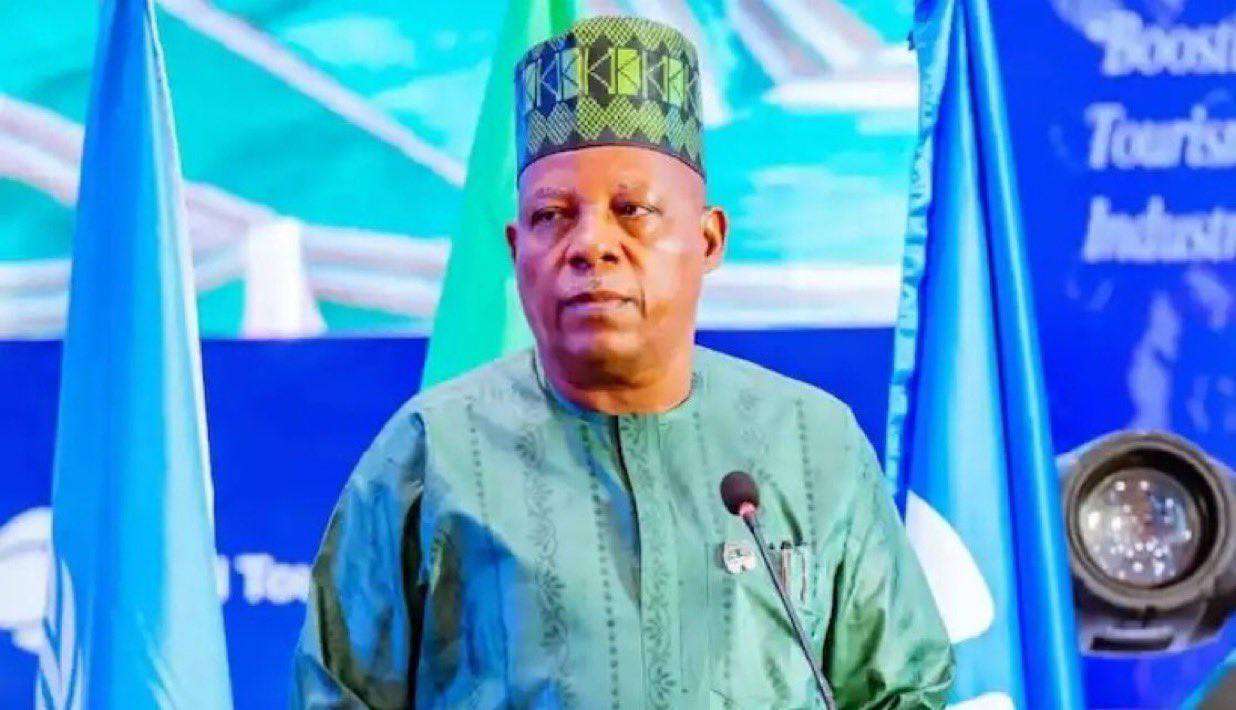
The announcement was made by Vice President Kashim Shettima during a meeting with members of Transporters for Tinubu/Shettima 2027 at the Presidential Villa in Abuja. According to the Vice President, the initiative forms part of the administration’s broader strategy to transform Nigeria’s transportation and logistics sector while accelerating the country’s transition to sustainable energy.
The first phase of the programme will be implemented by the North East Development Commission (NEDC), with the electric tricycles initially deployed across communities in the North-East region. Following the pilot phase, the project will be expanded nationwide through the various regional development commissions after receiving approval from President Bola Tinubu.
Shettima described the initiative as a key component of the administration’s long-term vision to create a more efficient, affordable, and environmentally friendly transport system capable of supporting economic growth and improving the lives of millions of Nigerians.
According to him, the government is working to move the country away from a fragmented transportation network toward a fully integrated logistics ecosystem where roads, railways, ports, airports, inland waterways, and alternative-energy vehicles operate seamlessly together.
The Vice President explained that improving transportation infrastructure is essential for boosting trade, connecting farmers to markets, supporting industrial development, and strengthening national integration. He noted that the administration’s goal is to eliminate bottlenecks that increase the cost of moving people and goods across the country.
“Our vision is to build an unbroken logistics chain where goods can move efficiently from ports to rail networks, onto cleaner-powered trucks, and ultimately reach businesses and consumers without unnecessary delays,” Shettima said.
The deployment of electric tricycles also complements the Federal Government’s broader clean-energy agenda, which includes the nationwide expansion of the Presidential Compressed Natural Gas Initiative (PCNGI). The programme aims to reduce transportation expenses by leveraging Nigeria’s abundant natural gas resources while decreasing dependence on conventional fuel.
According to the Vice President, the adoption of alternative energy solutions is already delivering positive results. He noted that heavy-duty vehicles operating on compressed natural gas have demonstrated the potential to significantly lower fuel costs for transport operators and businesses.
Beyond road transportation, the administration is also implementing reforms across the maritime and logistics sectors. Shettima highlighted ongoing efforts to improve efficiency at Nigerian ports through projects such as the operationalization of the Lekki Deep Sea Port, the development of the National Single Window platform, and renewed investments in inland waterways transportation.
These initiatives are expected to strengthen Nigeria’s position as a regional trade hub while reducing delays, improving cargo handling efficiency, and supporting economic competitiveness.
The Vice President reassured transport operators that the government remains committed to creating an enabling environment for the industry through affordable energy solutions, improved infrastructure, better financing opportunities, and enhanced working conditions.
Industry stakeholders have welcomed the reforms, expressing confidence that continued investment in transportation infrastructure and alternative energy will create new opportunities for businesses while improving mobility for ordinary Nigerians.
As the August rollout approaches, the electric tricycle programme is expected to become one of the country’s most ambitious clean transportation projects, offering a glimpse into the future of sustainable mobility in Nigeria.
The initiative not only represents a shift toward greener transportation but also underscores the government’s broader objective of building a modern, connected, and efficient transport ecosystem capable of driving economic development and improving the quality of life for citizens across the nation.
Discover more from Scoop Hub
Subscribe to get the latest posts sent to your email.