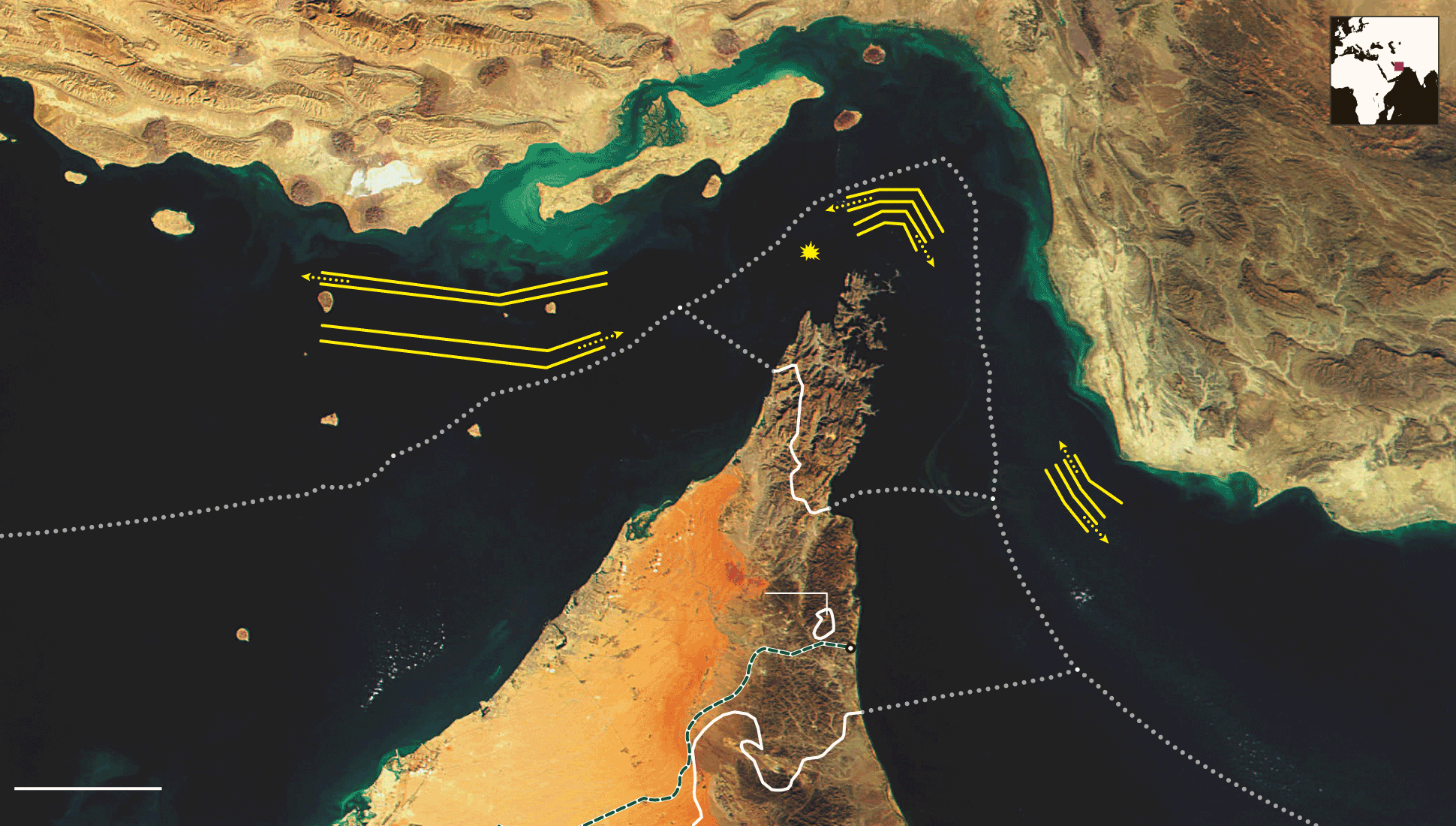
A major breakthrough in the Middle East peace process appears to be underway as the United States and Iran move closer to formally ending months of conflict, paving the way for the reopening of the strategically important Strait of Hormuz.
U.S. President Donald Trump announced that ships have begun moving through the vital waterway once again, signaling a significant step toward restoring stability to global energy markets after months of disruption.
The Strait of Hormuz, one of the world’s most critical oil shipping routes, has remained at the center of international attention since tensions escalated earlier this year. The conflict, which followed military confrontations involving the United States, Israel, and Iran, led to the blockage of the narrow maritime passage, triggering sharp increases in global oil prices and raising concerns about the impact on inflation and economic growth worldwide.
Speaking on Monday, President Trump confirmed that oil tankers and commercial vessels had started transiting the route, expressing confidence that the waterway would be fully operational by the end of the week.
The reopening of the Strait of Hormuz is expected to bring relief to global energy markets, as a significant portion of the world’s oil exports pass through the channel connecting the Persian Gulf to international waters. Analysts have closely monitored developments in the region due to fears that prolonged disruptions could affect fuel supplies and increase costs for consumers and businesses around the world.
The positive development follows the announcement of a diplomatic agreement involving the United States and Iran, with Pakistan serving as a mediator in the negotiations. Officials from the participating countries indicated that the formal agreement is scheduled to be finalized in Switzerland later this week.
According to senior officials, the agreement is designed to bring an immediate halt to hostilities and create a framework for broader discussions aimed at achieving a long-term settlement. Reports suggest that key leaders involved in the negotiations have already approved the document electronically ahead of its formal signing ceremony.
President Trump described the agreement as a significant diplomatic achievement and hinted that details of the document could be made public in the coming days. He emphasized his administration’s commitment to ensuring a successful resolution to the conflict and restoring regional stability.
Iranian officials have also welcomed the agreement. Deputy Foreign Minister Kazem Gharibabadi described the deal as an immediate end to the war and confirmed that additional negotiations focused on a comprehensive and lasting settlement are expected to take place within the next two months.
Iran’s leadership has presented the development as a diplomatic and strategic success, with government officials highlighting the agreement as a positive outcome for regional peace and security. President Masoud Pezeshkian described the accord as an important achievement that could help reduce tensions across the Middle East and open the door for greater cooperation in the future.
The agreement marks a potentially significant turning point after months of uncertainty that affected global markets, international trade, and geopolitical stability. The blockade of the Strait of Hormuz had become one of the most pressing concerns for energy-importing nations, given the route’s central role in transporting crude oil and other energy products.
Financial markets are expected to react closely to further developments, particularly regarding the full reopening of the waterway and the implementation of the peace agreement. A return to normal shipping operations could help ease pressure on energy prices and improve confidence in global economic recovery efforts.
While challenges remain and further negotiations are expected, the reopening of the Strait of Hormuz and the announcement of a ceasefire agreement represent a significant step toward reducing tensions in one of the world’s most strategically important regions.
For now, the focus remains on the successful implementation of the agreement and the restoration of uninterrupted maritime trade through a route that plays a crucial role in the global energy supply chain.
Discover more from Scoop Hub
Subscribe to get the latest posts sent to your email.