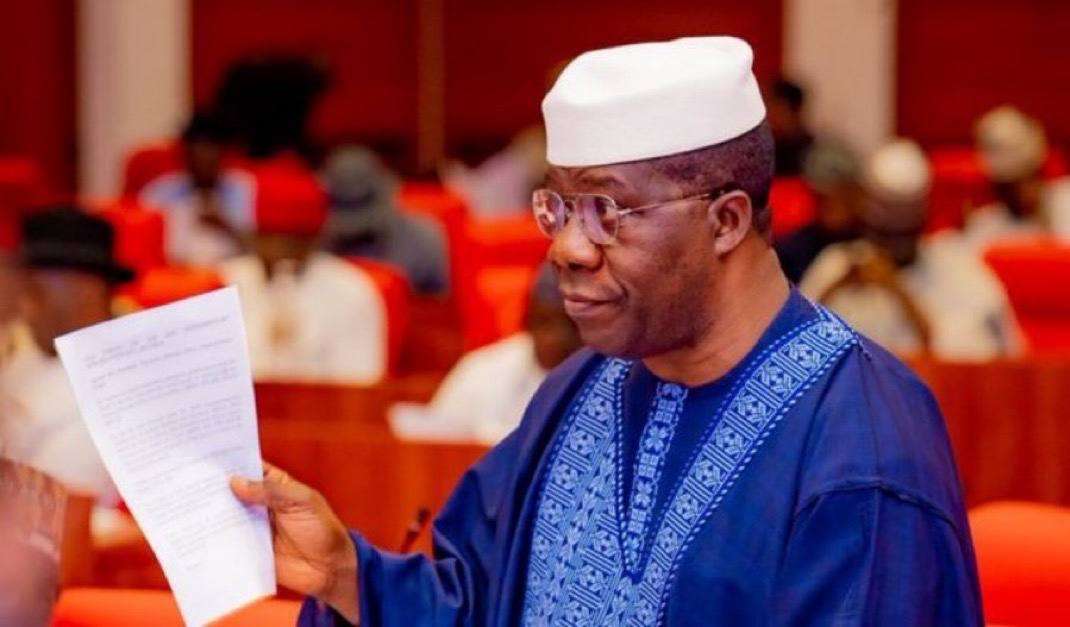
A proposal that could significantly reshape Nigeria’s political landscape is set to be considered by the National Assembly, as Senate Leader Opeyemi Bamidele has expressed support for a constitutional amendment that would introduce a single six-year term for the President and state governors.
Speaking during a session on the Senate floor, Bamidele revealed that one of the key legislative initiatives he intends to champion in the 11th Senate is a bill seeking to replace the current two-term structure with a single tenure of six years for elected executives at both federal and state levels.
According to the Senate Leader, the proposal is aimed at improving governance by allowing leaders to focus entirely on delivering results rather than spending a significant portion of their first term preparing for re-election campaigns.
Bamidele argued that under the existing system, many elected officials devote considerable time and resources to political calculations surrounding a second-term bid, often beginning just a few years after assuming office. He believes a single six-year tenure would eliminate that pressure and encourage office holders to concentrate fully on implementing policies and fulfilling campaign promises from the start of their administration.
He noted that a one-term arrangement would provide leaders with a unique opportunity to prioritize governance, knowing they have only one chance to leave a lasting legacy. In his view, such a structure could promote efficiency, accountability, and long-term planning.
The Senate Leader, however, acknowledged that the proposal remains a personal legislative position and may not enjoy universal support among lawmakers or the wider public. He emphasized that democratic institutions exist to debate ideas and adapt laws to changing realities, stressing that constitutional reforms are a normal part of a developing democracy.
If formally introduced, the bill would likely spark nationwide debate among political stakeholders, constitutional experts, civil society groups, and voters. Supporters may argue that it could reduce the distractions associated with re-election campaigns, while critics could raise concerns about accountability and voter influence over long-term leadership.
Nigeria currently operates a two-term system, allowing presidents and governors to serve a maximum of two four-year terms. Any move to alter that framework would require extensive constitutional amendments and approval through the legislative process.
Although the proposal is still at an early stage, Bamidele’s comments have already generated significant interest, as discussions about political reform and governance continue to shape conversations ahead of the post-2027 political era.
Discover more from Scoop Hub
Subscribe to get the latest posts sent to your email.