China has reportedly moved to block the use of certain advanced Nvidia chips imported from the United States, escalating technology tensions between the world’s two largest economies and accelerating China’s shift toward domestically produced artificial intelligence hardware.
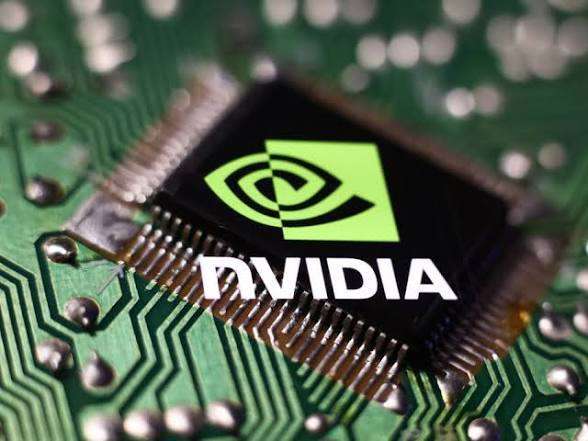
According to reports, Chinese authorities banned the Nvidia RTX 5090D V2 gaming chip during a recent visit to Beijing by Nvidia CEO Jensen Huang alongside Donald Trump.
The RTX 5090D V2 chip had been introduced last August specifically to comply with U.S. export restrictions targeting advanced semiconductor technology sales to China. Although the product was officially marketed toward gamers and 3D content creators, reports indicate it also became popular among Chinese AI developers seeking alternatives after restrictions limited access to more powerful Nvidia AI processors.
The reported rejection of the chip marks the latest development in the growing technology and semiconductor battle between Washington and Beijing.
China’s restrictions reportedly extend beyond the RTX 5090D V2. Sales of Nvidia’s H200 chips remain blocked despite U.S. approvals involving major Chinese technology companies such as Alibaba Group and Tencent. Earlier Nvidia products like the H20 chip have also reportedly faced similar limitations.
The latest move is expected to strengthen the position of Chinese technology giant Huawei, which is increasingly emerging as a dominant force in China’s domestic AI chip market.
Industry analysts reportedly expect Huawei to capture the largest share of China’s AI semiconductor market this year, with sales projected to increase by at least 60 percent as more Chinese companies transition toward locally developed alternatives. The shift reflects China’s broader strategy of reducing reliance on foreign technology suppliers amid rising geopolitical and trade tensions with the United States.
Despite the restrictions, Jensen Huang has continued to express optimism about the long-term future of the Chinese market, suggesting that over time, access and cooperation could improve.
Nvidia generated more than $17 billion in sales from China during its 2025 fiscal year, largely driven by demand for H20 chips before restrictions intensified.
Meanwhile, analysts at Morgan Stanley reportedly forecast that China’s AI chip market could grow to approximately $67 billion by 2030, with domestic suppliers expected to account for nearly 86 percent of the market.
The development highlights how the global AI race is becoming increasingly tied to national security concerns, technological independence, and control over critical semiconductor infrastructure.
As governments continue tightening regulations around advanced computing technologies, the battle for dominance in AI chips is rapidly becoming one of the most important economic and geopolitical contests shaping the future of the global technology industry.
Discover more from Scoop Hub
Subscribe to get the latest posts sent to your email.