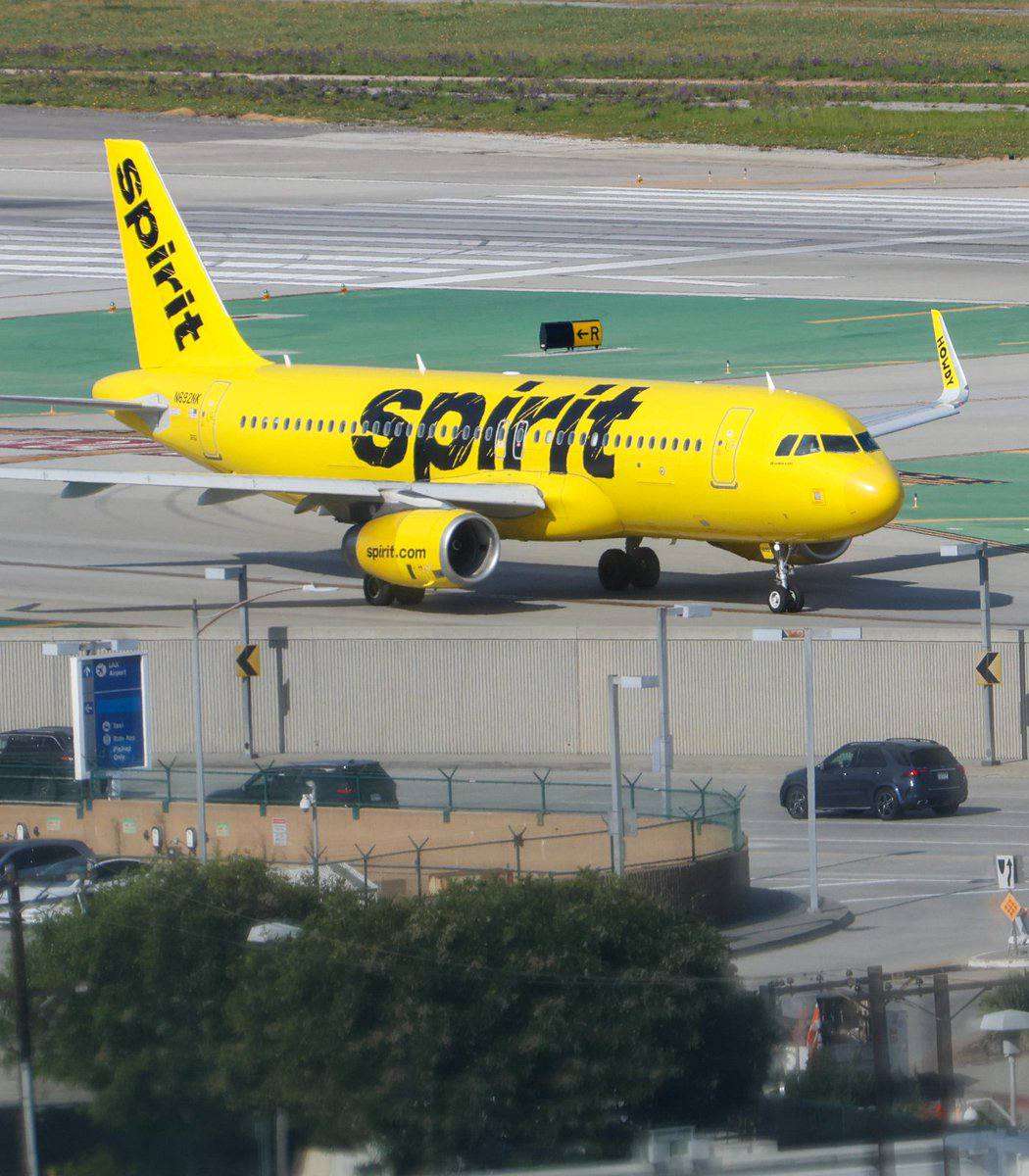
Spirit Airlines is facing growing criticism after reports emerged that the airline plans to allocate approximately $10.7 million in retention bonuses to a small group of employees overseeing the company’s shutdown process, while thousands of laid-off workers may receive little to no financial support.
According to the reported plan, the bonus package is intended for around 150 remaining staff members tasked with managing critical operations as the airline winds down its business activities. These employees are expected to handle essential responsibilities tied to the company’s closure, including operational transitions, asset management, and administrative processes.
The proposed compensation package has sparked outrage largely because of its timing and contrast with the experience of the broader workforce.
Nearly 17,000 employees reportedly lost their jobs with minimal notice as part of the company’s shutdown, leaving many workers suddenly unemployed and facing financial uncertainty.
The situation has fueled criticism online, with many questioning the fairness of rewarding a small group of insiders while the majority of displaced workers appear unlikely to receive severance or meaningful compensation.
Retention bonuses are not unusual during bankruptcies, mergers, or company closures. Businesses often use them to ensure key personnel remain in place long enough to manage complex transitions and avoid operational chaos during restructuring or liquidation.
However, these payments frequently become controversial when companies are simultaneously cutting jobs, reducing benefits, or failing to provide adequate support for terminated employees.
Reports also suggest that senior executives could receive separate compensation packages, adding further scrutiny to the company’s shutdown strategy and internal financial decisions.
The backlash reflects broader concerns about corporate governance, executive pay, and how companies prioritize financial resources during crises.
Discover more from Scoop Hub
Subscribe to get the latest posts sent to your email.