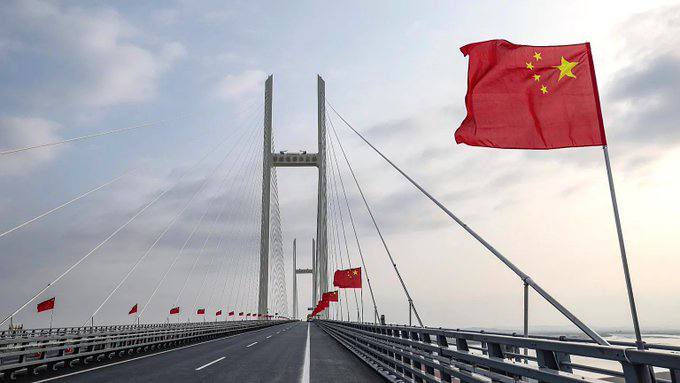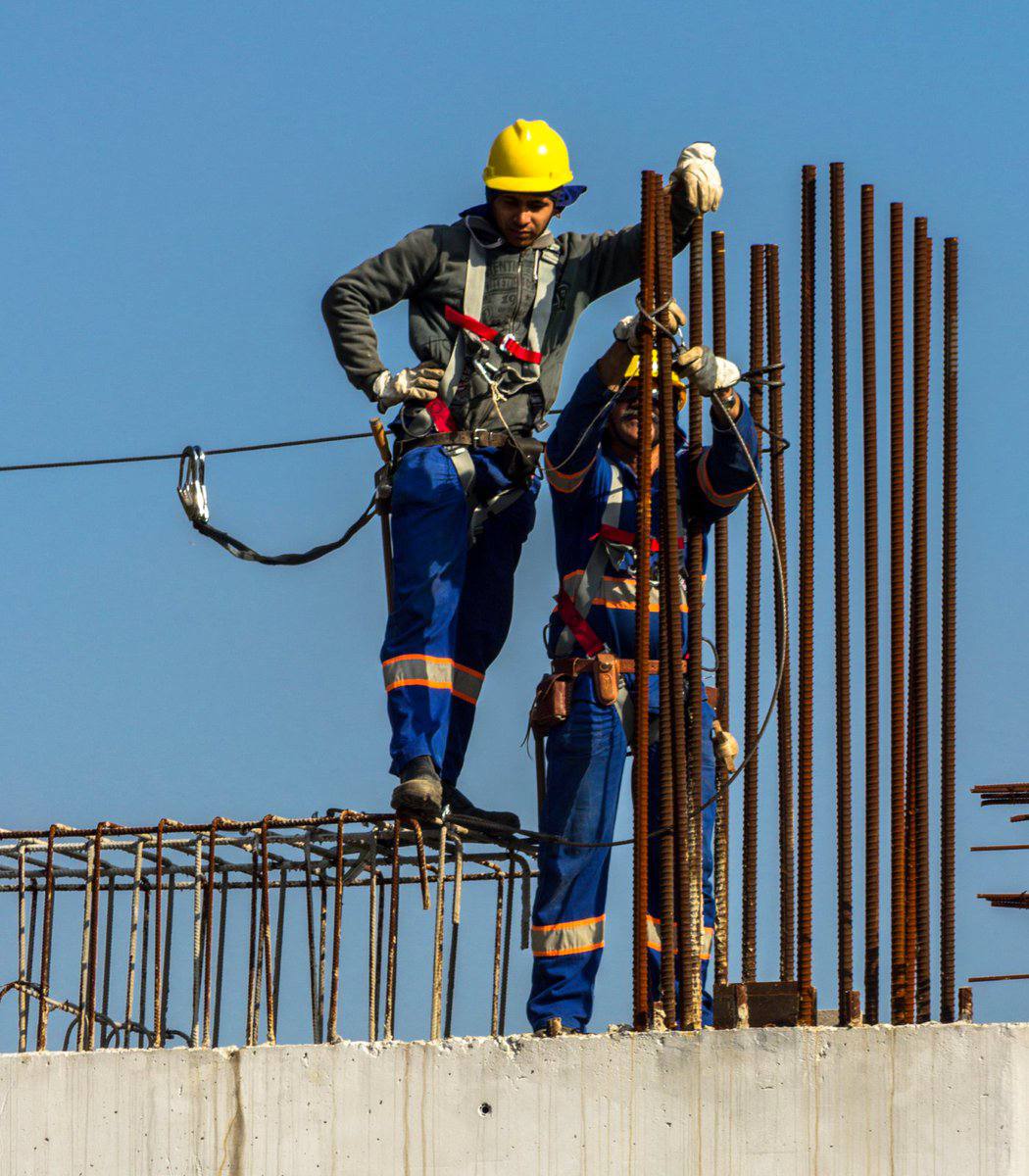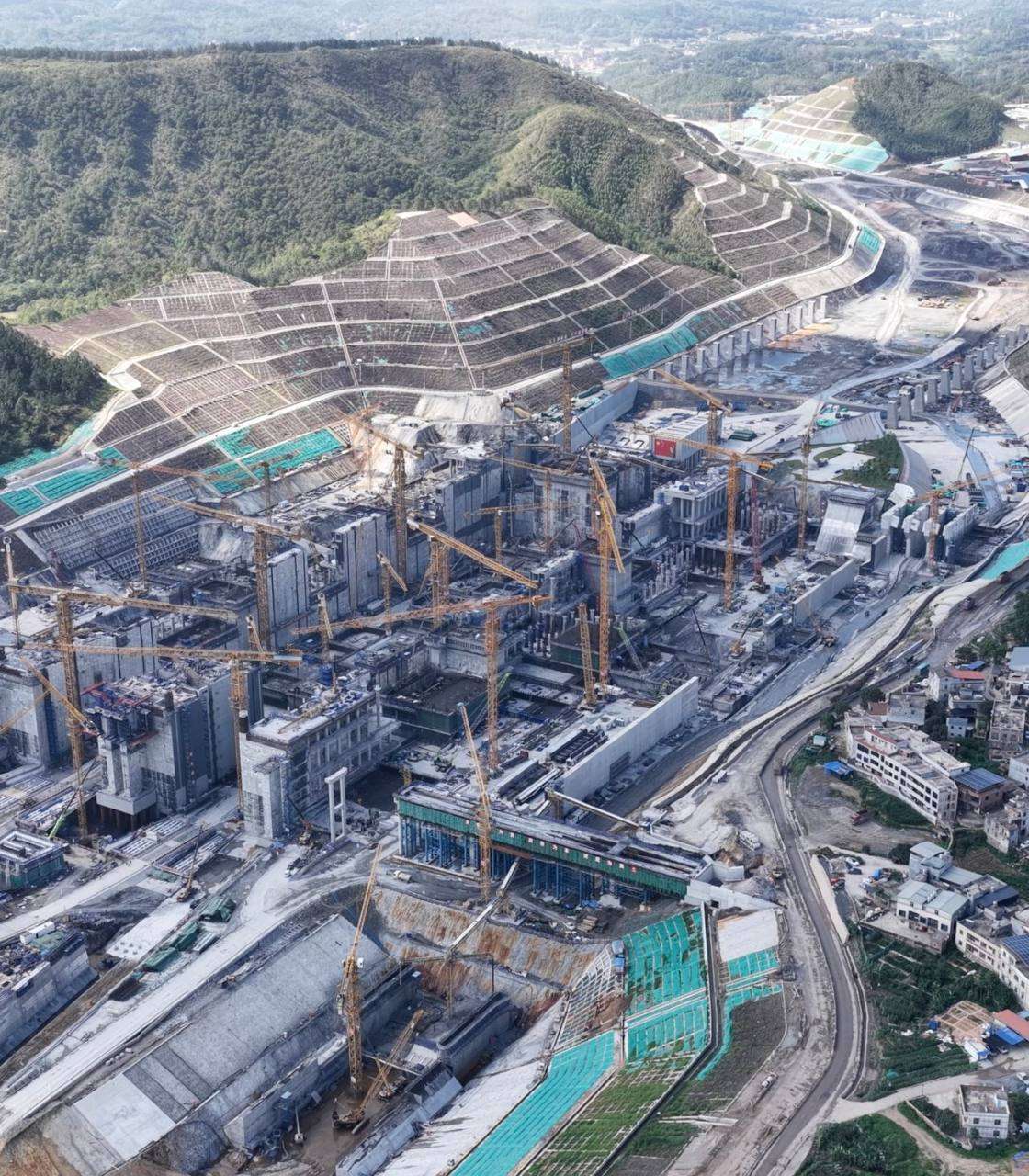
China is making a major infrastructure push with the construction of a massive inland water canal expected to transform domestic trade, strengthen logistics networks, and reduce transportation costs across key economic regions.
The ambitious project, valued at more than $10 billion, involves building an 83-mile-long canal through mainland China as part of the country’s broader effort to modernize transport infrastructure and improve trade efficiency.
Once completed, the canal is expected to create new shipping routes that will significantly improve the movement of goods between inland and coastal regions, reducing dependence on longer and more expensive transportation networks.
Chinese authorities believe the project will save an estimated $750 million annually by cutting logistics costs, shortening shipping times, and improving cargo efficiency.
The canal is scheduled for completion by 2027 and is already being viewed as one of the country’s most significant infrastructure investments in recent years.
Large-scale transport projects have long been central to China’s economic strategy, with the government consistently investing in railways, ports, highways, and waterways to strengthen internal connectivity and support industrial growth.
This latest canal project aligns with Beijing’s continued focus on improving domestic trade networks while reinforcing supply chain resilience.
By creating a more direct inland shipping route, the project is expected to lower transportation expenses for businesses, improve access to markets, and enhance the movement of raw materials and finished products.
Beyond economic benefits, the canal could also reduce road congestion and lower pressure on existing transport systems, offering a more efficient alternative for heavy cargo movement.
Water transport remains one of the most cost-effective methods for moving bulk goods, making canal development a strategic choice for countries seeking to improve industrial competitiveness and logistics performance.
The scale of the investment reflects China’s long-term infrastructure planning model, where major public works are often designed to deliver decades of economic impact rather than short-term gains.
Discover more from Scoop Hub
Subscribe to get the latest posts sent to your email.