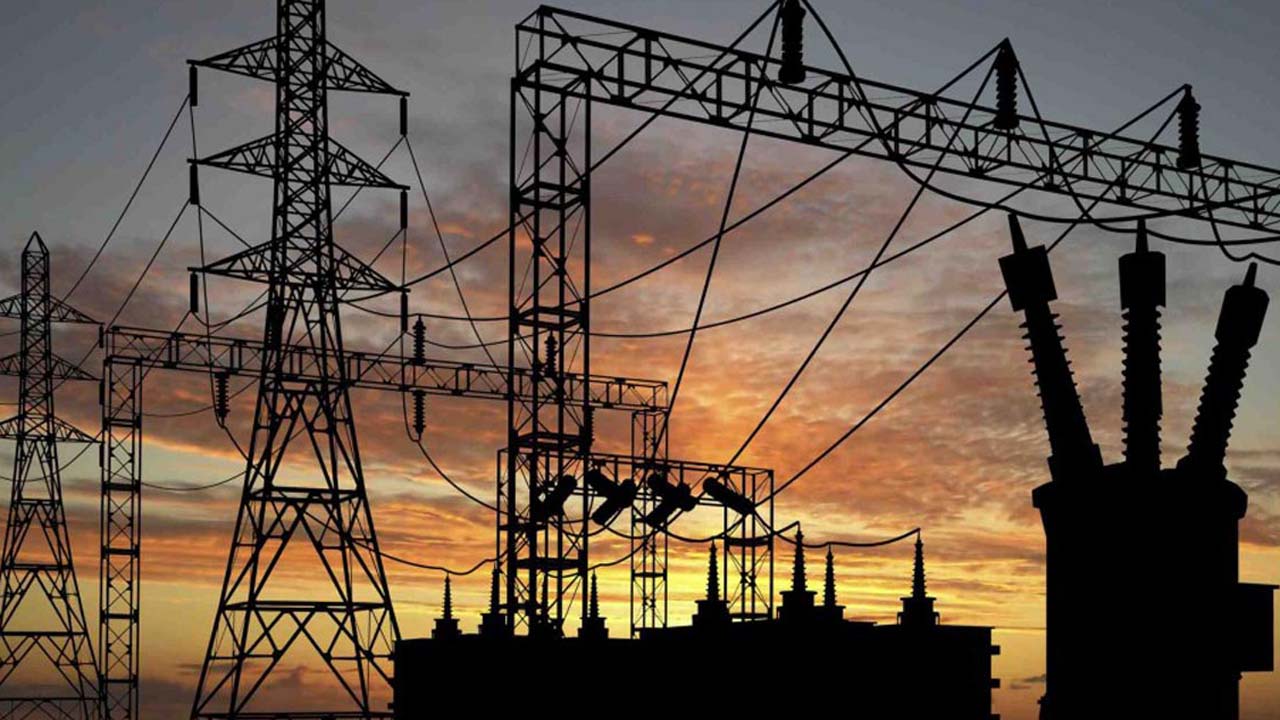
Residents across Lagos State may have to brace for more prolonged power outages after the sudden shutdown of the Egbin Power Station, Nigeria’s largest power-generating plant, triggered fresh supply disruptions in the state.
The Nigerian Independent System Operator (NISO) confirmed on Thursday that a major operational failure at the Egbin facility, located in Ikorodu, Lagos, has significantly reduced electricity generation and worsened the already fragile power situation in Nigeria’s commercial capital.
According to the system operator, the disruption occurred at approximately 8:21 p.m. on April 28, 2026, when Egbin’s power output dropped sharply from around 641 megawatts to zero, forcing the complete shutdown of the station.
NISO explained that the outage was caused by the failure of the plant’s central compressor, alongside a malfunction in its circulating water pump system. These faults made it necessary to immediately halt all generating units in order to protect the facility from further damage.
The situation has placed additional strain on electricity supply, especially in Lagos, which depends heavily on Egbin’s contribution to the national grid. As Nigeria’s largest thermal power station, Egbin has an installed capacity of over 1,300 megawatts, although actual generation levels often vary due to maintenance issues, gas supply challenges, and grid limitations.
To make matters worse, the power crisis has been intensified by a transmission problem affecting supply into Lagos. NISO disclosed that the Osogbo–Ikeja West 330kV transmission line is currently out of service following a forced outage, limiting the ability to transmit available power into the Lagos load centre.
With both a major generation loss and transmission constraint happening at the same time, operators say a significant electricity shortfall has emerged, forcing emergency load shedding across affected areas to maintain grid stability and prevent a broader collapse of the national grid.
As part of its emergency response, the system operator said available electricity is being redistributed among distribution companies, with priority given to critical national infrastructure and essential services. Authorities are also working to maximise output from other available power plants in a bid to reduce the impact on consumers.
In its statement, NISO apologised to electricity users, particularly residents in Lagos and neighbouring states, where outages are expected to be more severe in the coming days.
The development has also sparked public speculation over reports of an alleged incident at the plant involving the death of a contractor. However, no official confirmation or details have been released regarding the circumstances surrounding the reported incident.
The latest disruption once again exposes the vulnerability of Nigeria’s electricity infrastructure, where a single fault at a major plant or transmission line can quickly lead to widespread blackouts.
For Lagos residents and businesses already grappling with unstable power supply, the Egbin shutdown is likely to deepen concerns over productivity losses, increased dependence on generators, and rising energy costs.
Industry experts continue to stress that while temporary measures such as load shedding may help stabilise the grid, Nigeria’s long-term energy stability will depend on stronger transmission networks, improved maintenance culture, diversified power generation sources, and reduced dependence on a handful of critical facilities.
For now, many Lagos residents can only wait and hope that repairs are completed quickly before the blackouts become even more severe.
Discover more from Scoop Hub
Subscribe to get the latest posts sent to your email.