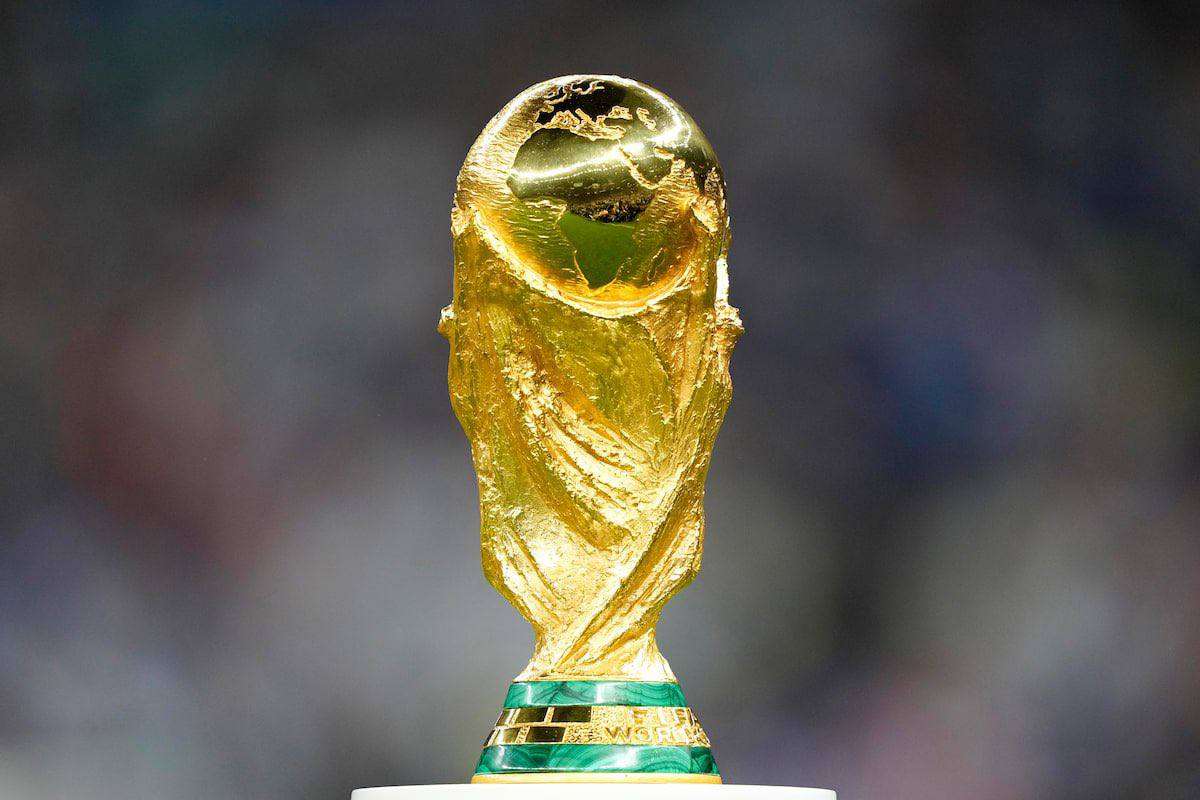
Football’s global governing body, FIFA, has confirmed a major rule change that could significantly impact team behavior at the 2026 World Cup. Under the new directive, any team that walks off the pitch during a match will face strict punishment — including red cards and an automatic 3–0 defeat.
The decision follows recent reforms approved by the International Football Association Board (IFAB), the organization responsible for the laws of the game since 1886. The rule changes were finalized during a special meeting held in Vancouver, Canada, and will officially take effect at the next World Cup, scheduled to kick off on June 11, 2026.
This move signals a clear effort by FIFA to clamp down on growing instances of protests and confrontational behavior on the pitch. According to IFAB, any player who leaves the field in protest of a referee’s decision risks immediate dismissal. The rule extends beyond players, as team officials who encourage such actions can also face sanctions.
In addition to walk-off protests, the new regulations also address a controversial behavior that has become more common in recent years — players covering their mouths during heated exchanges. At the discretion of competition organizers, such actions in confrontational situations may now be punished with a red card, particularly when there is suspicion of abusive or discriminatory language.
The rule proposal was partly influenced by a recent incident involving Vinícius Júnior, who accused Gianluca Prestianni of making a racially charged remark while concealing his words during a Champions League clash. The case drew widespread attention and reignited debates around accountability and transparency in on-field interactions.
Following an investigation, UEFA handed Prestianni a six-match ban, concluding that the remarks were homophobic in nature. The incident has since become a reference point for football authorities seeking stricter disciplinary measures against misconduct.
The timing of FIFA’s announcement also reflects concerns raised by recent high-profile protests. One notable example occurred during the Africa Cup of Nations final, when Senegal’s head coach, Pape Thiaw, instructed his players to walk off the pitch in protest of a late penalty decision awarded to Morocco. The match, held at Stade Prince Moulay Abdellah in Rabat, was halted for 15 minutes amid chaotic scenes before play eventually resumed.
By introducing these tougher rules, FIFA and IFAB are sending a strong message: emotional reactions and protests must not undermine the integrity of the game. The governing bodies hope that these measures will promote discipline, reduce controversy, and ensure matches are decided by football rather than conflict.
As the 2026 World Cup approaches, players, coaches, and fans alike will be watching closely to see how these rules are enforced — and whether they succeed in bringing greater order to the world’s biggest sporting stage.
Discover more from Scoop Hub
Subscribe to get the latest posts sent to your email.