China has officially begun implementing a zero-tariff policy on imports from 53 African countries with which it maintains diplomatic relations, marking a major shift in trade relations between China and the African continent.
The new policy, which took effect on May 1, 2026, is being described as a significant move aimed at deepening China-Africa economic cooperation while supporting African exports, industrial growth, and broader development goals.
According to China’s Ministry of Commerce, the tariff exemption will reduce the cost of African goods entering the Chinese market, making them more competitive and accessible to Chinese consumers.
By removing import tariffs, China is expected to create stronger market opportunities for African exporters while encouraging diversification in the continent’s export products. Officials say the move could help African businesses move beyond raw commodity exports by increasing product value, improving export structures, and expanding access to one of the world’s largest consumer markets.
The policy is also expected to directly benefit farmers, small businesses, and manufacturers across Africa, particularly micro, small, and medium-sized enterprises (MSMEs) that often face barriers in global trade.
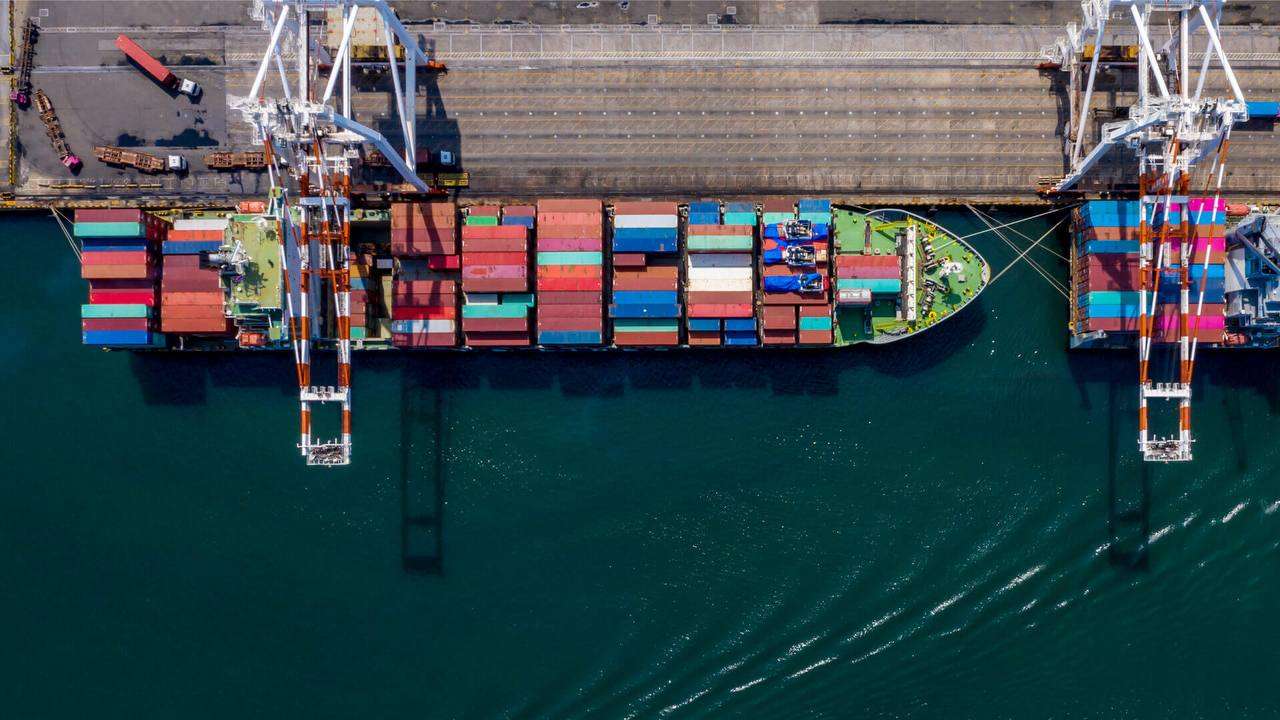
China’s state media reported that the first shipment under the new initiative arrived through Shenzhen Customs in the early hours of Friday, with 24 tonnes of South African apples entering the country as one of the first products to benefit from the expanded tariff exemption.
With the rollout, China has now become the first major global economy to unilaterally offer full tariff exemptions to all African countries with diplomatic ties, without requiring reciprocal trade concessions.
This means African nations can access the Chinese market on more favourable terms without being required to open their own markets in return under similar conditions.
Before this latest expansion, China had already removed tariffs on 100 percent of tariff lines for imports from 33 least developed African countries beginning in December 2024.
Under the updated arrangement, the zero-tariff policy has now been extended to cover an additional 20 African non-least developed countries, bringing the total to all 53 African nations that maintain diplomatic relations with Beijing.
The preferential tariff treatment is expected to remain in effect from May 1, 2026, to April 30, 2028, according to China’s Customs Tariff Commission of the State Council.
Analysts say the decision could strengthen Africa’s export competitiveness at a time when many developing economies are facing rising protectionism, trade fragmentation, and economic uncertainty globally.
Ricky Mukonza, Associate Professor at Tshwane University of Technology in South Africa, described the move as a strong signal of China’s commitment to Africa’s industrialisation and long-term development.
According to him, by granting African countries full market access without demanding reciprocal concessions, China is setting a new benchmark for economic cooperation within the Global South.
The policy has also received praise from African leaders.
African Union Commission Chairperson Mahmoud Ali Youssouf welcomed the development, describing it as a timely intervention for a continent still grappling with the impact of global economic shocks and increasing isolationist trends in some parts of the world.
He expressed appreciation on behalf of the African Union, calling the move a meaningful gesture of partnership between China and African nations.
China remains Africa’s largest trading partner, and trade between both sides continues to expand rapidly.
Data from China’s General Administration of Customs shows that China-Africa trade reached a record $348 billion in 2025, underlining the growing importance of the economic relationship.
China’s imports from Africa stood at $123 billion, reflecting a 5.4 percent year-on-year increase.
The momentum has continued into 2026, with bilateral trade in the first quarter of the year rising by 23.7 percent year-on-year, while Chinese imports from Africa grew by 14.6 percent.
Beyond goods trade, Chinese officials say the tariff-free initiative is expected to unlock deeper cooperation in areas such as digital trade, green industries, services, and sustainable development.
The broader objective, according to the Ministry of Commerce, is to strengthen Africa’s independent development capacity while accelerating the continent’s industrial and economic modernisation.
As global trade tensions continue to rise in some regions, China’s latest policy positions it as a key economic partner for African nations seeking expanded export access, industrial opportunities, and stronger South-South cooperation.
Discover more from Scoop Hub
Subscribe to get the latest posts sent to your email.