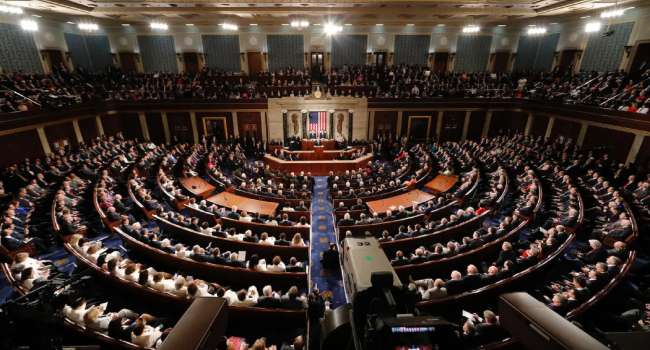
The United States House of Representatives has introduced a new appropriations bill that could significantly restrict financial assistance to Nigeria, citing concerns over violence affecting Christian communities and the government’s response to ongoing security challenges.
The proposed legislation, introduced in April 2026 by Congressman Mario Díaz-Balart through the House Committee on Appropriations, covers funding allocations for the fiscal year ending September 30, 2027.
A notable section of the bill specifically targets Nigeria under its Africa-related provisions. According to the proposal, 50 percent of U.S. assistance allocated to Nigeria’s central government could be withheld unless certain conditions are met.

Under the bill, the funds would remain restricted until the U.S. Secretary of State certifies to congressional appropriations committees that Nigeria is making measurable progress in addressing violence and improving accountability.
The conditions outlined in the legislation require the Nigerian government to take effective steps to prevent attacks and prosecute those responsible for violence, particularly incidents linked to religious and communal conflicts.
The bill also calls for increased support for victims of violence and internally displaced persons, urging the government to prioritize humanitarian resources and assistance for affected populations.
In addition, Nigerian authorities are expected to actively facilitate the safe return of displaced communities while supporting the rebuilding of homes, infrastructure, and livelihoods destroyed by violence.
Lawmakers further emphasized the need for Nigeria to allocate adequate domestic resources toward addressing these issues, signaling that security reforms and victim support must go beyond rhetoric.
The move gives formal legislative backing to months of growing concern in Washington over insecurity in Nigeria, particularly repeated attacks in parts of the country that have drawn international attention.
If passed, the measure could place additional diplomatic and financial pressure on the administration of Bola Tinubu as it faces mounting scrutiny over insecurity, displacement, and communal unrest.
The proposed restriction reflects a broader shift in how U.S. lawmakers are linking foreign aid to governance benchmarks, accountability, and human rights concerns.
For Nigeria, the development underscores the increasing international focus on domestic security issues and the importance of demonstrating tangible progress in protecting vulnerable communities and restoring stability.
The bill is expected to undergo further legislative review as U.S. lawmakers continue negotiations on broader foreign assistance funding for the upcoming fiscal cycle.
Discover more from Scoop Hub
Subscribe to get the latest posts sent to your email.