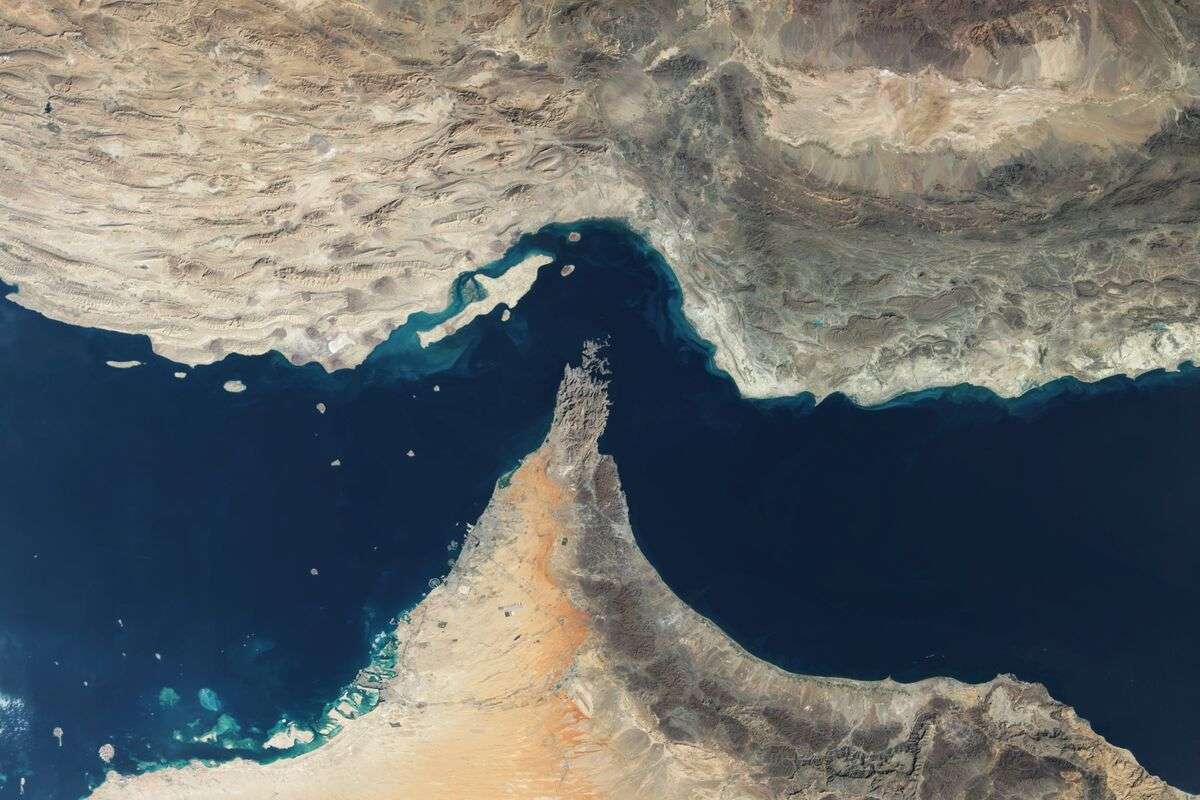
Japan is stepping up efforts to safeguard its energy security as ongoing tensions in the Middle East continue to disrupt global oil flows. The government, led by Prime Minister Sanae Takaichi, has announced plans to diversify supply routes and reduce reliance on the Strait of Hormuz—a critical artery for global energy shipments that has been heavily affected by the conflict.
As part of its response, Japan will begin releasing an additional 20 days’ worth of oil reserves starting in early May. The move is aimed at stabilizing domestic energy prices and ensuring a steady supply for businesses and households facing growing uncertainty.
Although a conditional ceasefire between the United States and Iran has provided some relief, concerns remain high over the status of the Strait of Hormuz. While a limited number of vessels have managed to pass through, overall traffic has slowed significantly, tightening supplies not only of crude oil but also key commodities like fertilizers.
Japan is particularly exposed to disruptions in the region, as more than 90 percent of its crude oil imports come from the Middle East. This heavy dependence has prompted the government to accelerate efforts to secure alternative suppliers and shipping routes, reducing the risks associated with a single chokepoint.
According to Takaichi, Japan expects to source more than half of its oil imports from alternative channels in May compared to the same period last year. The government is optimistic that these measures will help maintain a stable energy supply well into the coming year.
Despite the current challenges, Japan’s oil reserves remain relatively strong. As of early April, the country held enough national reserves to cover 143 days of domestic demand, with an additional 81 days’ worth of stockpiles held by private refiners. However, officials are still concerned about potential disruptions in the supply chain, particularly for refined products.
To address these risks, the government is focusing on improving logistics and prioritizing critical sectors such as healthcare. Takaichi emphasized the need for urgency and vigilance, noting that swift action is essential to protect both the economy and the daily lives of citizens.
As global energy markets remain volatile, Japan’s proactive strategy highlights the growing importance of diversification and preparedness in navigating an increasingly uncertain geopolitical landscape.
Discover more from Scoop Hub
Subscribe to get the latest posts sent to your email.