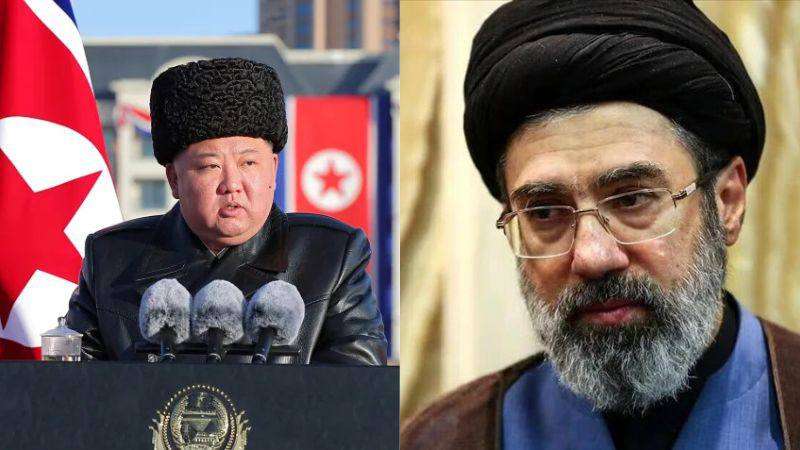
In a quiet but calculated move, North Korea appears to be redefining its foreign policy priorities, signaling a potential shift away from its long-standing alignment with Iran. According to South Korean intelligence briefings, Pyongyang is deliberately keeping its distance as tensions in the Middle East reshape global alliances.
Lawmakers in Seoul, citing information from the National Intelligence Service, revealed that North Korea has neither provided weapons nor logistical support to Iran since the outbreak of conflict on February 28. Even more telling is Pyongyang’s silence following the reported death of Iran’s Supreme Leader, Ali Khamenei, who was said to have been killed in airstrikes.
This lack of response marks a notable departure from past behavior. North Korea also refrained from acknowledging the reported rise of Mojtaba Khamenei as Iran’s new supreme leader—another signal that it is treading carefully in the current geopolitical climate.
Observers believe this restraint is not accidental. Rather, it reflects a broader strategy by Kim Jong Un to preserve diplomatic flexibility, particularly in relation to the United States and its allies. While countries like China and Russia have been more vocal about the Middle East situation, North Korea has limited itself to just two relatively subdued statements. Intelligence officials suggest this aligns with Pyongyang’s recent pattern of avoiding direct criticism of U.S. President Donald Trump.
Behind the scenes, there are indications that North Korea is positioning itself for potential diplomatic openings. South Korean officials believe Pyongyang is watching closely ahead of a possible meeting between Xi Jinping and Trump, which could reshape global power dynamics and create new opportunities for engagement.
Economic factors are also playing a role in this strategic recalibration. The ongoing Middle East crisis has reportedly disrupted North Korea’s access to critical industrial supplies, driven up prices, and caused fluctuations in its currency. These pressures have pushed Pyongyang to explore alternative solutions, including efforts to secure oil supplies from Russia.
Earlier signals of this shift emerged during North Korea’s Ninth Workers’ Party Congress in late February, where Kim Jong Un struck a notably different tone. He suggested that improved relations with Washington were possible, stating there was no reason the two nations “cannot get along well”—provided the United States recognizes North Korea as a nuclear state and abandons what Pyongyang describes as its hostile policy.
According to intelligence assessments, these remarks were not offhand comments but a deliberate message. By softening its rhetoric and distancing itself from volatile alliances, North Korea appears to be laying the groundwork for a new phase in its foreign relations—one that could come into clearer focus once tensions in the Middle East begin to ease.
As the global landscape continues to shift, Pyongyang’s careful balancing act highlights a broader truth: in times of uncertainty, even the most entrenched alliances can be reconsidered.
Discover more from Scoop Hub
Subscribe to get the latest posts sent to your email.