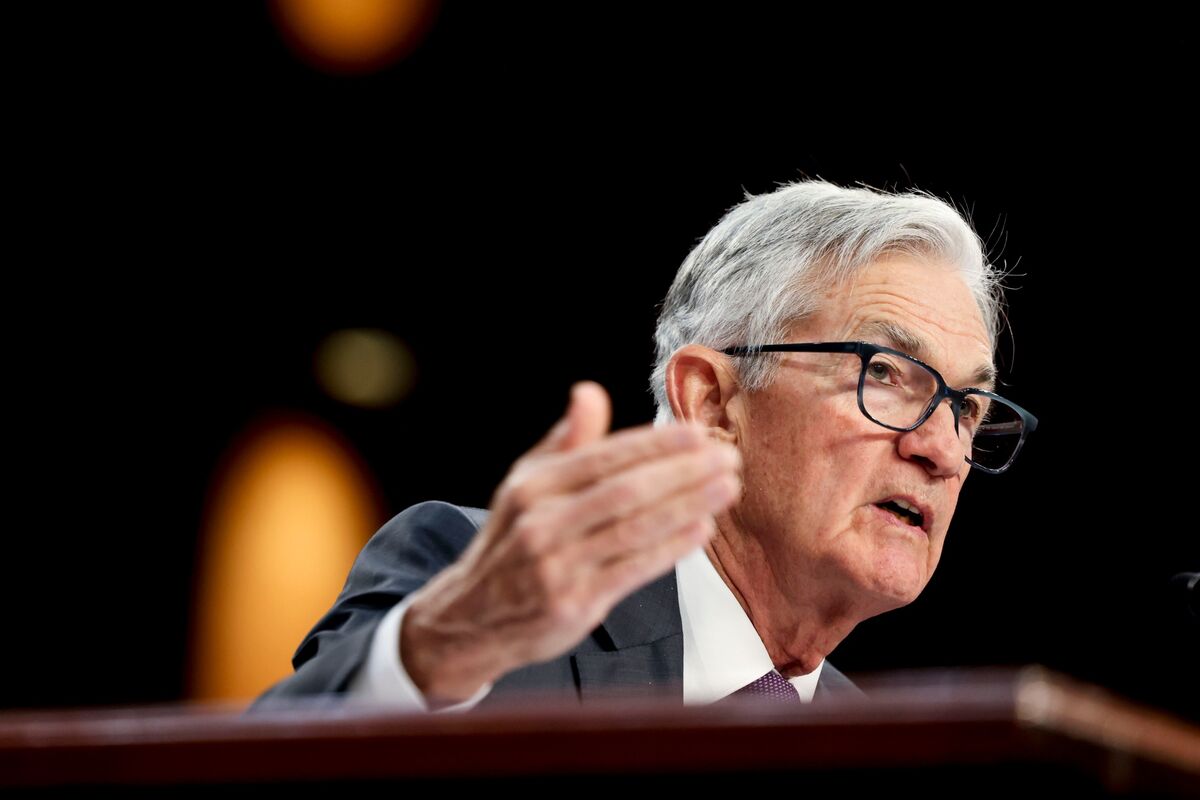
The U.S. economy may appear steady on the surface, but beneath that calm lies a growing strain that policymakers can no longer ignore. Federal Reserve Chair Jerome Powell has raised fresh concerns about the labor market, revealing that private sector job growth has remained essentially unchanged for the past six months.
At first glance, the unemployment rate still looks stable. But that headline figure is masking deeper issues. A decline in labor force participation means fewer people are actively seeking work, creating the illusion of resilience while underlying weaknesses continue to build.

One of the biggest pressures on hiring is the Federal Reserve’s current interest rate stance. With rates held steady at 3.50%–3.75%, borrowing costs remain elevated, making it more expensive for businesses to expand, invest, or take on new employees. Companies are becoming increasingly cautious, choosing to slow hiring rather than risk overextending in an uncertain economic environment.
At the same time, the rapid rise of artificial intelligence is quietly reshaping the job market. While AI is driving efficiency and innovation, it is also reducing the need for certain roles, particularly in administrative and routine-based positions. Employers are now balancing productivity gains with workforce reductions, further contributing to the slowdown in job creation.
Energy prices are adding another layer of complexity. Rising gas costs, linked to geopolitical tensions involving Iran, are fueling inflationary pressures. For businesses, higher energy costs translate into tighter margins. For consumers, it means reduced purchasing power. Together, these forces are making it harder for the economy to maintain momentum.
Despite these challenges, the Federal Reserve has chosen to hold rates steady rather than pivot toward cuts. The central bank remains cautious, wary of easing too soon and risking a resurgence of inflation. However, this balancing act is becoming increasingly delicate as economic signals grow more mixed.
What emerges is a picture of an economy at a crossroads. While traditional indicators suggest stability, the combination of stagnant job growth, technological disruption, and rising energy costs points to a more fragile reality. The coming months will be critical in determining whether the U.S. economy can regain its footing—or whether these underlying cracks begin to widen into something more serious.
Discover more from Scoop Hub
Subscribe to get the latest posts sent to your email.