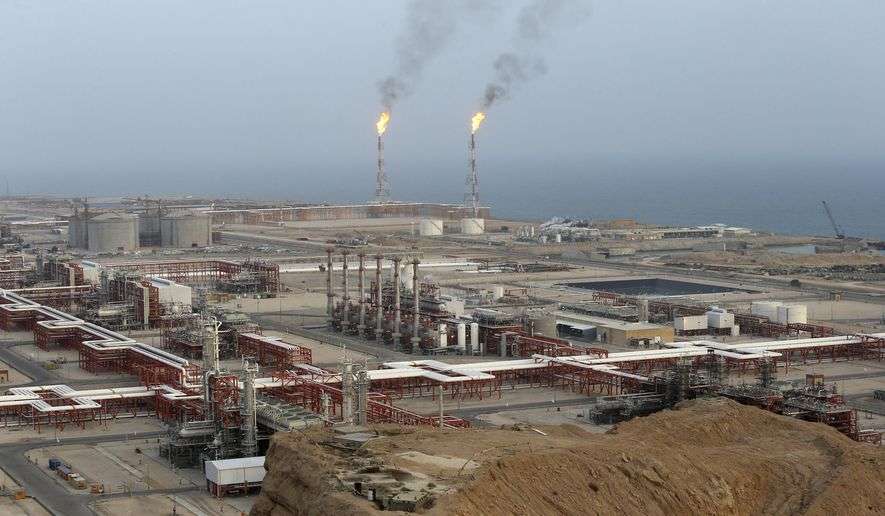
Tensions in the Middle East have escalated further after Israel confirmed carrying out a major strike on one of Iran’s most critical energy facilities, the South Pars petrochemical plant in Asaluyeh.
The announcement was made by Israel Katz, who stated that Israeli forces targeted what he described as Iran’s largest petrochemical complex. Located in southern Iran, the facility plays a central role in the country’s energy sector, accounting for a significant share of its petrochemical production.
The strike follows earlier reports from Iranian media confirming that the facility had come under attack. Outlets, including semi-official agencies, attributed the incident to joint actions by Israel and the United States, although Washington has yet to officially comment on the development. Donald Trump is expected to address the situation publicly, adding to the anticipation surrounding the next phase of the conflict.
The South Pars field, which Iran shares with Qatar, is widely regarded as the largest natural gas field in the world. It lies beneath the Persian Gulf and serves as a vital source of energy not only for Iran but also for global markets. Any disruption to its operations carries significant economic and geopolitical implications.
This latest strike comes against the backdrop of an ongoing war that began on February 28, when coordinated U.S.-Israel attacks targeted Iranian positions. Since then, the conflict has intensified, with previous strikes on South Pars facilities in March triggering retaliatory attacks by Iran on oil and gas infrastructure across Gulf Arab states.
Amid the rising tensions, diplomatic efforts are gaining urgency. Mediators from Egypt, Pakistan, and Turkey have reportedly put forward a new 45-day ceasefire proposal. The plan is designed to create a window for negotiations that could lead to a more permanent resolution.
The proposal also comes as pressure mounts ahead of a deadline set by Washington for Iran to reopen the strategically critical Strait of Hormuz. The waterway remains a key route for global oil shipments, making its status central to both economic stability and international security.
As both military actions and diplomatic efforts unfold simultaneously, the situation remains highly volatile. The coming days are expected to be crucial in determining whether the region moves closer to de-escalation or deeper into conflict.
Discover more from Scoop Hub
Subscribe to get the latest posts sent to your email.