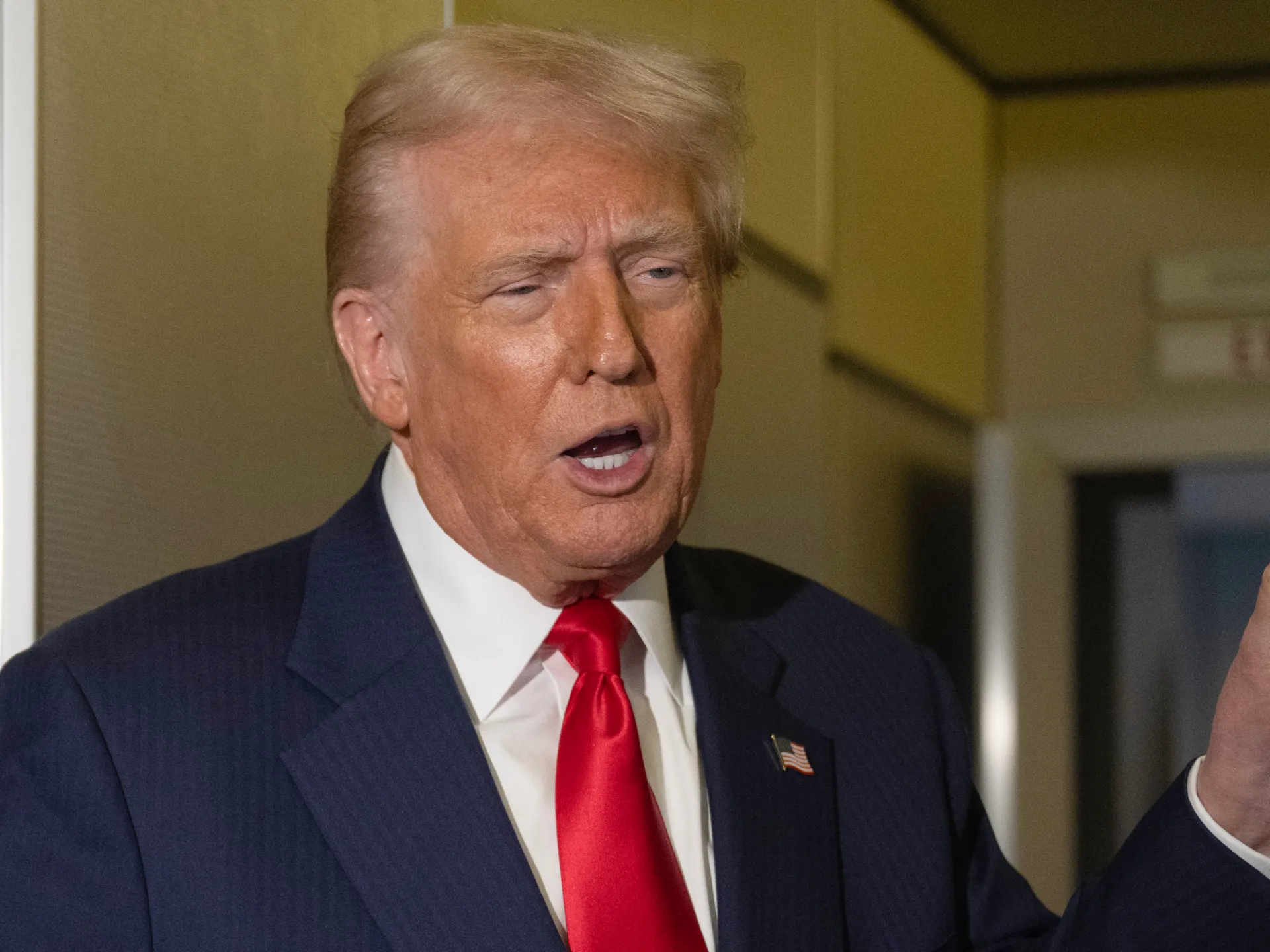
Donald Trump has announced plans to impose a new 15% global tariff on imported goods, escalating his trade policy response just days after the Supreme Court of the United States struck down his previous import taxes.
In a post on Truth Social, Trump said the administration would move forward with a higher tariff rate under a little-used provision of U.S. trade law. The decision comes after the Supreme Court ruled 6–3 that he had exceeded his authority when he introduced sweeping global tariffs last year using the International Emergency Economic Powers Act (IEEPA).
The new tariffs would be implemented under Section 122 of the Trade Act of 1974, a rarely invoked mechanism that allows the president to temporarily impose tariffs of up to 15% for about five months without prior congressional approval. After that period, the administration would need lawmakers to sign off on any extension.
Initially, Trump had indicated he would replace the blocked tariffs with a 10% levy on all imports, scheduled to take effect on February 24. However, the latest announcement increases the proposed rate to the maximum permitted under the 1974 law. It remains unclear whether the 15% tariff will take effect on the same date.
The Supreme Court’s ruling marked a significant setback for Trump’s trade agenda. The justices concluded that the president had overstepped his constitutional powers by relying on IEEEPA — a statute originally intended for national emergencies — to justify broad global tariffs. According to government data, the U.S. had already collected at least $130 billion in tariffs under that authority.
Trump reacted sharply to the court’s decision, criticizing the ruling and defending his trade strategy as essential to protecting American industry. He has consistently argued that tariffs are necessary to reduce the U.S. trade deficit and encourage companies to manufacture goods domestically rather than overseas.
However, fresh economic data shows the U.S. trade deficit has continued to widen, reaching approximately $1.2 trillion — up 2.1% compared to the previous year. The development adds complexity to the debate over whether tariffs are achieving their intended goals.
The move could also affect countries that had negotiated earlier trade arrangements with Washington, including the UK and Australia, which reportedly agreed to 10% tariff deals. A sudden increase to 15% raises questions about how those agreements will be handled.
As the White House weighs its next steps, the decision signals that tariffs remain central to Trump’s second-term economic strategy. Whether Congress ultimately backs the expanded measures — and how global markets respond — will likely shape the next phase of U.S. trade policy.
Discover more from Scoop Hub
Subscribe to get the latest posts sent to your email.