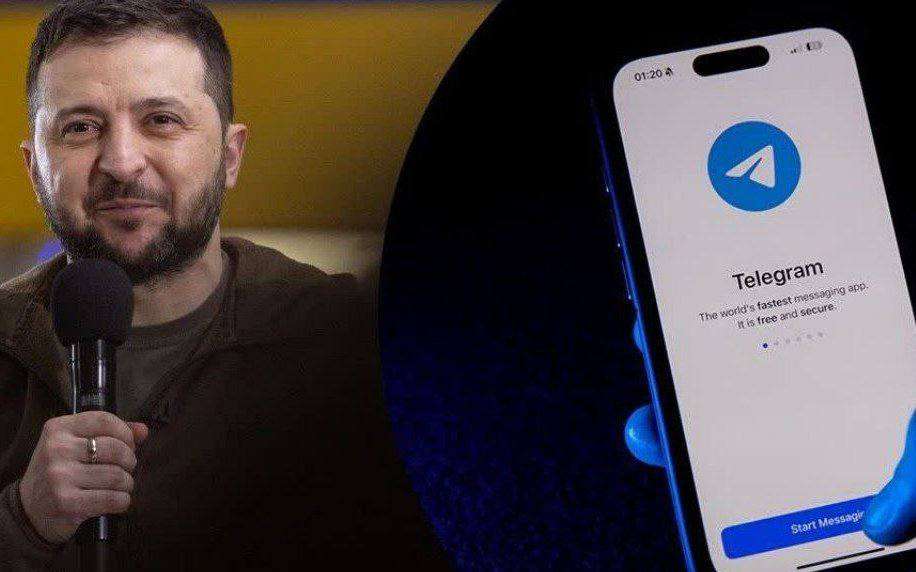
Russia’s Federal Security Service has publicly accused Telegram of enabling Ukraine’s military and intelligence services to access sensitive information shared by Russian troops, claiming the messaging platform has put soldiers’ lives at risk during ongoing combat operations.
In a statement released Saturday, the Federal Security Service (FSB) said it possesses what it described as “reliable data” showing that Ukraine’s armed forces and intelligence services can quickly obtain information posted on Telegram and use it for military purposes. According to the agency, this alleged access has created dangerous situations for Russian servicemen operating in what Moscow calls its “special military operation” zone.
The FSB argued that over the past three months, the use of Telegram by members of the Russian Armed Forces in combat areas has repeatedly resulted in life-threatening scenarios. The security service claims its internal analysis found multiple instances where communications or shared content may have been exploited by Ukrainian forces.
While the FSB did not provide technical details on how the alleged data access occurred, the statement suggests concerns about operational security and the risks associated with using widely available messaging apps in active war zones.
The allegations come amid ongoing tensions between Moscow and Kyiv, as the Ukrainian Armed Forces continue defensive and counteroffensive operations. Information warfare and cyber capabilities have played a major role in the broader conflict, with both sides accusing each other of digital espionage and intelligence gathering.
Russian authorities have taken steps in recent months to regulate Telegram’s operations domestically. In December, regulators reportedly slowed the platform’s performance across parts of Russia. In early February, access to Telegram was temporarily restricted, though the limitations were later lifted following complaints, including from military personnel who rely on the app for communication.
Telegram, founded by Russian-born entrepreneur Pavel Durov, has long occupied a complex position in Russia’s digital landscape. Although it remains widely used inside the country, Moscow has previously blocked or restricted several other major platforms, including Facebook, Instagram, LinkedIn, YouTube, and WhatsApp, citing security and regulatory concerns.
The FSB’s latest claims highlight the increasing importance of digital communications security in modern warfare. As conflicts become more technologically driven, the balance between accessibility, encryption, and national security continues to spark debate — particularly when battlefield communications are involved.
For now, Telegram has not publicly responded to the specific accusations. The situation underscores the growing intersection of social media, intelligence gathering, and military operations in today’s conflicts.
Discover more from Scoop Hub
Subscribe to get the latest posts sent to your email.