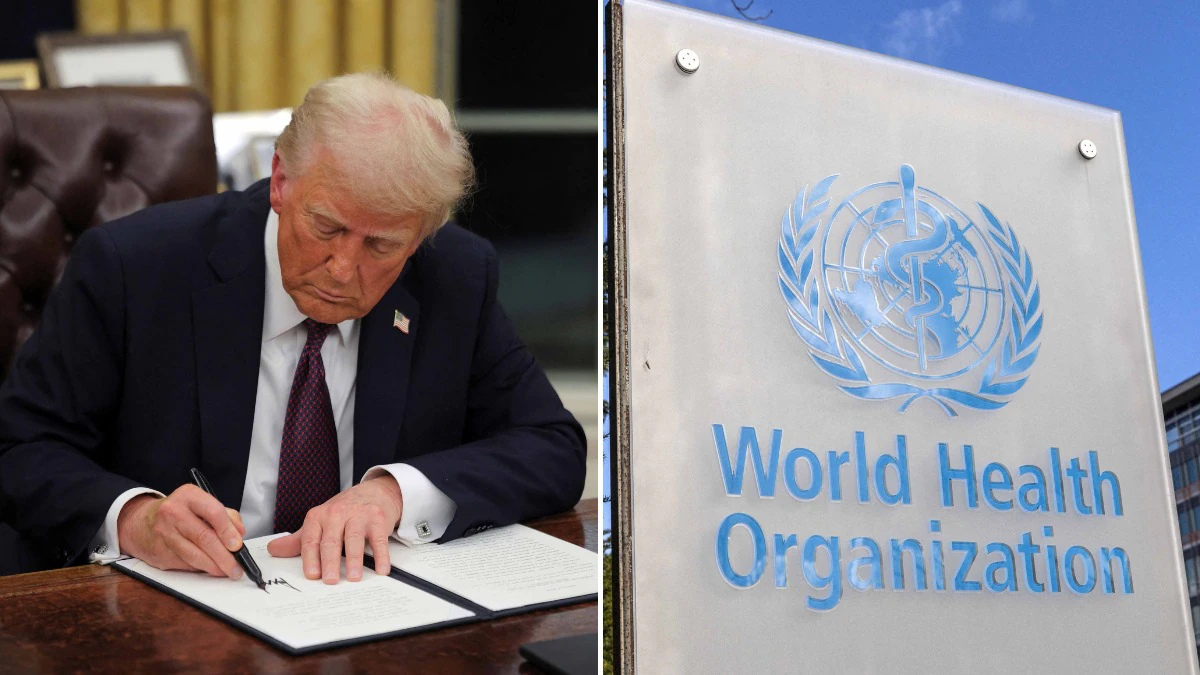
The United States has officially withdrawn from the World Health Organization (WHO), marking a significant turning point in global health governance and ending decades of American participation in the UN-backed health body. The exit took effect on Thursday, exactly one year after President Donald Trump signed an executive order initiating the withdrawal.
The decision has sparked concern among global health experts, who warn that the move could weaken international disease surveillance, emergency response coordination, and scientific collaboration at a time when the world remains vulnerable to future pandemics.
According to the WHO, the U.S. exit followed the completion of a mandatory one-year notice period required under an existing agreement between Washington and the organization. While the agreement also stipulates that all outstanding financial obligations must be settled before withdrawal, the United States has not fully met that condition. The WHO confirmed that the U.S. still owes membership fees for 2024 and 2025, amounting to approximately $260 million.
Despite the unpaid contributions, the WHO has no legal mechanism to block the withdrawal or compel payment. Member states are expected to formally discuss the U.S. departure and its implications during the WHO executive board meeting scheduled for February.
WHO Director-General Dr. Tedros Ghebreyesus expressed deep regret over the decision, describing it as a loss for both the United States and the global community. Speaking in Geneva, he stressed that the issue goes beyond funding and touches on the importance of international cooperation and solidarity. He added that he hopes the U.S. will eventually reconsider and rejoin the organization.
The withdrawal means the United States will no longer participate in several critical WHO programs, including global early warning systems for disease outbreaks and the coordination of seasonal influenza vaccine composition. These efforts rely on shared data and scientific expertise from countries around the world, and the absence of U.S. input is expected to leave a noticeable gap.
For years, the United States was the WHO’s largest single contributor, providing not only its assessed membership dues but also substantial voluntary funding that at times accounted for more than 15 percent of the organization’s overall budget. American scientists and public health institutions also played a central role in shaping global health research and policy.
President Trump’s criticism of the WHO dates back to the COVID-19 pandemic, during which he accused the organization of mismanaging the crisis and misusing funds. He first attempted to withdraw the U.S. from the WHO during his initial term, but the move was reversed by President Joe Biden before the notice period expired. Following Trump’s return to the White House, the U.S. stopped paying its outstanding membership fees, effectively setting the stage for the final exit.
As the world adjusts to the U.S. departure, public health officials warn that global disease preparedness could suffer without the resources, expertise, and leadership the country historically provided. The development underscores growing tensions between nationalism and multilateral cooperation, raising questions about how future global health crises will be managed without full U.S. involvement.
The WHO, meanwhile, says it will continue its work with remaining member states, even as it navigates the financial and operational challenges created by the loss of its largest former contributor.
Discover more from Scoop Hub
Subscribe to get the latest posts sent to your email.