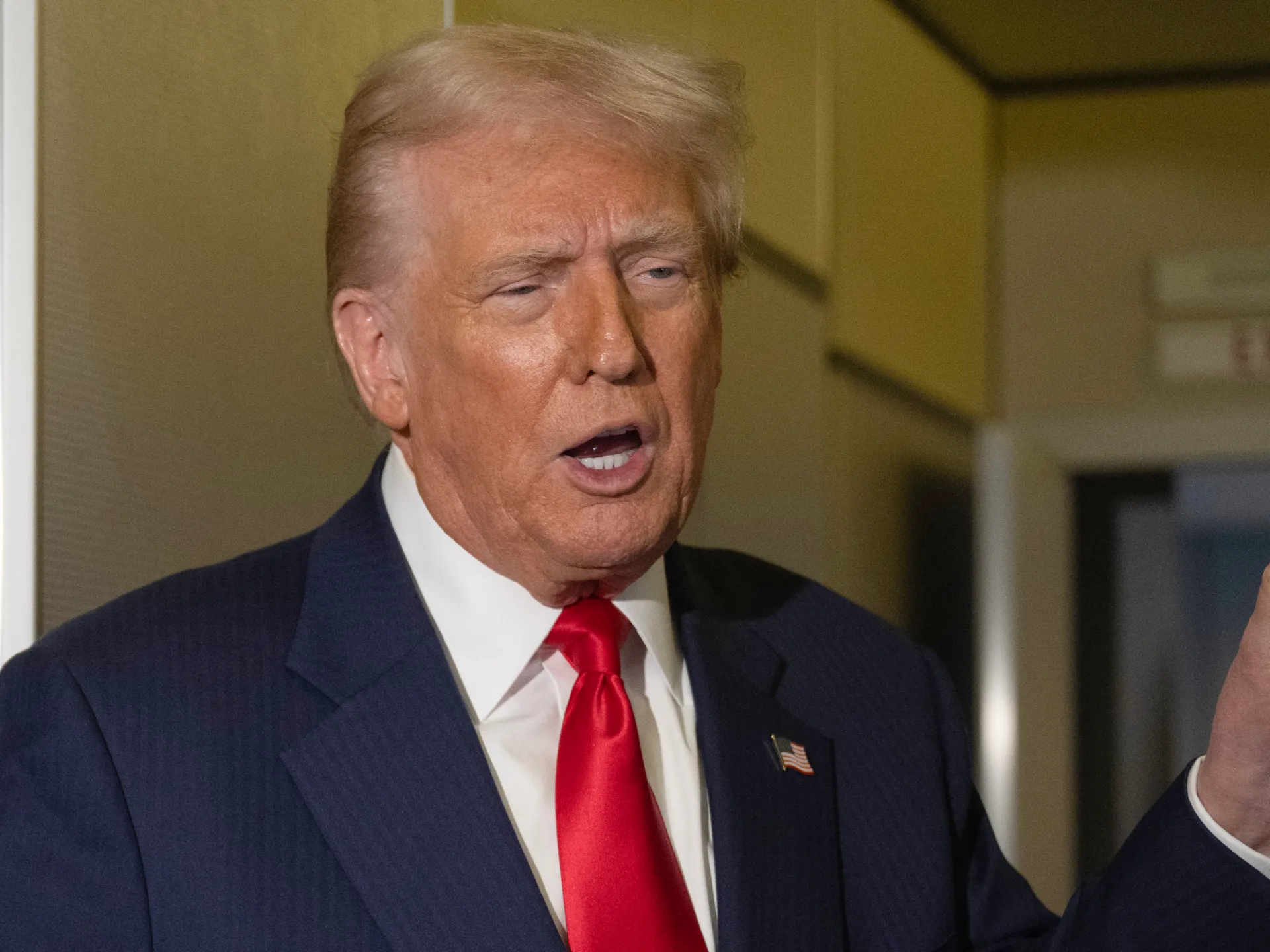
President Donald Trump has announced the United States’ withdrawal from 66 international treaties and organizations, marking the largest mass exit from global agreements in modern American history. The move represents a dramatic shift in U.S. foreign policy and underscores Trump’s long-standing belief that many international commitments no longer serve American interests.
The announcement was made on Wednesday, with Trump stating that continued participation in these agreements placed unnecessary financial and political burdens on the United States. According to the administration, the decision is part of a broader effort to refocus U.S. foreign engagement around what it describes as a “back-to-basics” national interest strategy.
The withdrawals significantly reduce American involvement in global climate and environmental frameworks, including key institutions that shape international climate science, renewable energy policy, and emissions coordination. Trump has repeatedly argued that such bodies constrain U.S. economic growth while allowing other countries to benefit unfairly.
The decision also affects a wide range of United Nations–linked human rights and social justice programs. U.S. support is being pulled from initiatives focused on gender equality, population and reproductive health, and protections for children affected by violence and armed conflict. The administration maintains that these programs often drift beyond their original mandates and fail to deliver measurable benefits to American citizens.
In the area of global development, the United States is stepping away from several organizations involved in democracy promotion, urban development, trade policy, and education assistance in conflict zones. Trump officials argue that these efforts should be handled through bilateral agreements rather than multilateral institutions.
Security cooperation is also being reshaped. The U.S. is exiting multiple international forums dedicated to counterterrorism, hybrid warfare threats, and maritime security. The administration says future security partnerships will be pursued selectively, with greater emphasis on direct alliances and U.S.-led initiatives.
The sweeping withdrawals come just days after Trump secured major budget cuts at the United Nations, including approximately $570 million in funding reductions and the elimination of about 2,900 UN jobs. Together, the moves signal a sharp rollback of U.S. engagement with multilateral institutions.
Supporters of the policy say it represents a long-overdue correction that will lead to a leaner, more accountable international system while freeing U.S. resources for domestic priorities. Critics, however, warn that the pullout risks ceding global influence to rival powers and weakening international cooperation on issues that cross national borders.
As the policy takes effect, debate continues over whether Trump’s approach marks a strategic realignment of global leadership or a historic retreat from it.
Discover more from Scoop Hub
Subscribe to get the latest posts sent to your email.