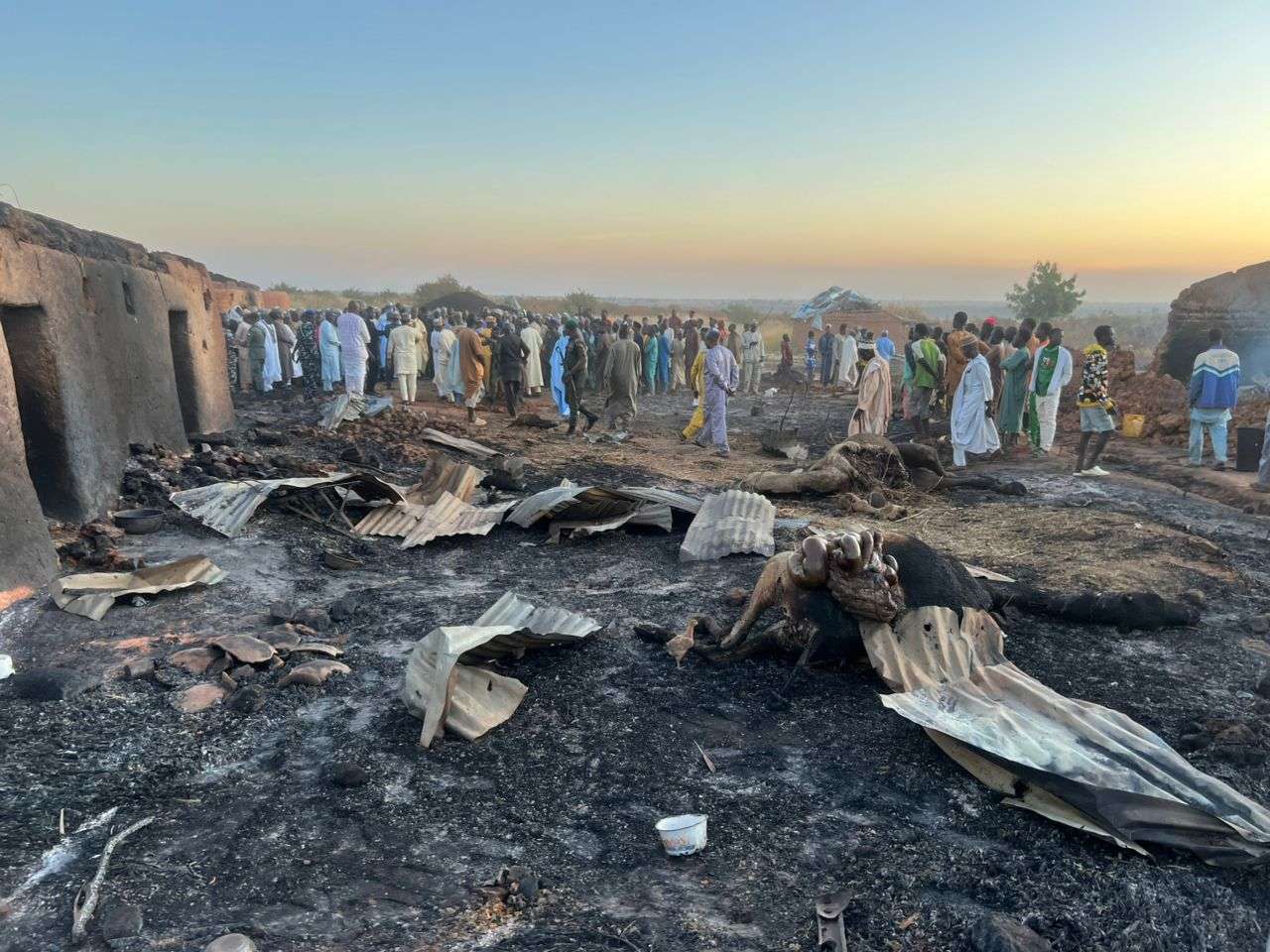
Fresh details have emerged following the recent United States airstrikes in Sokoto State, with local authorities confirming that suspected Lakurawa fighters fled targeted areas in the aftermath of the operation.
The airstrikes reportedly hit locations in both Tangaza and Tambuwal Local Government Areas, intensifying security activity across the region. In Tangaza LGA, the council chairman, Isa Saleh Bashir, confirmed that the strikes were aimed at bush routes and suspected terrorist hideouts believed to be used by armed groups operating in the area.
Speaking with the BBC, Bashir said several communities, including Tandami village, were affected during the operation. While he noted that officials were still working to determine the full extent of the impact, he confirmed that some injuries were recorded following the strikes. However, details on casualties were yet to be officially verified.
According to Bashir, intelligence shared by security forces from neighbouring Niger Republic revealed that members of the Lakurawa group were sighted fleeing the area shortly after the airstrikes. He said the movement suggested that the operation disrupted the group’s activities and forced them to abandon their positions.
In Tambuwal Local Government Area, where explosions were also reported, eyewitnesses in Jabo town said the device landed in an open field, easing fears of civilian casualties in the immediate vicinity.
The latest developments come amid heightened counterterrorism efforts in Nigeria’s North-West, with authorities maintaining that the joint operations are designed to dismantle armed groups while minimizing harm to civilians. Residents in affected communities continue to call for increased security presence and clearer communication as the situation unfolds.
Discover more from Scoop Hub
Subscribe to get the latest posts sent to your email.