The Nigerian Presidency has pushed back against growing concerns over the country’s rising debt burden, insisting that Nigeria has not over-borrowed when compared with several other African economies, including Egypt, South Africa, and Senegal.
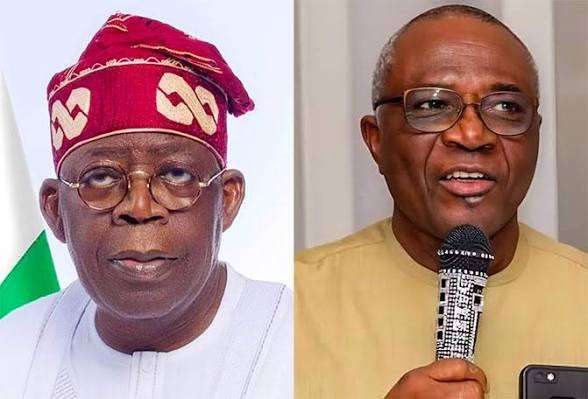
Presidential spokesperson Bayo Onanuga made the statement in a post on X on Tuesday, amid renewed public debate over Nigeria’s debt profile under President Bola Tinubu’s administration.
According to Onanuga, Nigeria remains financially credible and still has room to access additional loans if needed, particularly to fund critical infrastructure projects across the country. He argued that borrowing, when properly managed, remains a legitimate tool for national development.
He further maintained that comparisons with other countries show Nigeria is not in an excessively risky debt position. In his words, concerns about Nigeria’s borrowing levels were exaggerated and reflected what he described as a misunderstanding of economic realities.
Onanuga stated that Nigeria’s debt situation should be viewed within a broader international context, pointing out that countries such as Egypt, South Africa, and Senegal carry higher or comparable debt ratios yet continue to secure financing for development projects.
His comments came in response to a social media discussion sparked by an X user, @Akinwumi, who argued that Nigeria’s debt-to-GDP ratio remains lower than that of several peer African economies. The user also suggested that government borrowing, when directed toward infrastructure and productive sectors, should be seen as an investment rather than a burden.
Supporters of the borrowing strategy argue that loans channeled into key sectors such as electricity, transportation, internet expansion, railway modernization, ports, agriculture, and energy can stimulate long-term economic growth and improve national productivity.
However, Nigeria’s rising debt levels have continued to generate public debate, with critics expressing concern about repayment pressures, fiscal sustainability, and the long-term impact on government revenue.
Despite the differing views, the Presidency maintains that borrowing remains an important instrument for driving development, especially in addressing infrastructure gaps and supporting economic expansion across Nigeria.
Discover more from Scoop Hub
Subscribe to get the latest posts sent to your email.