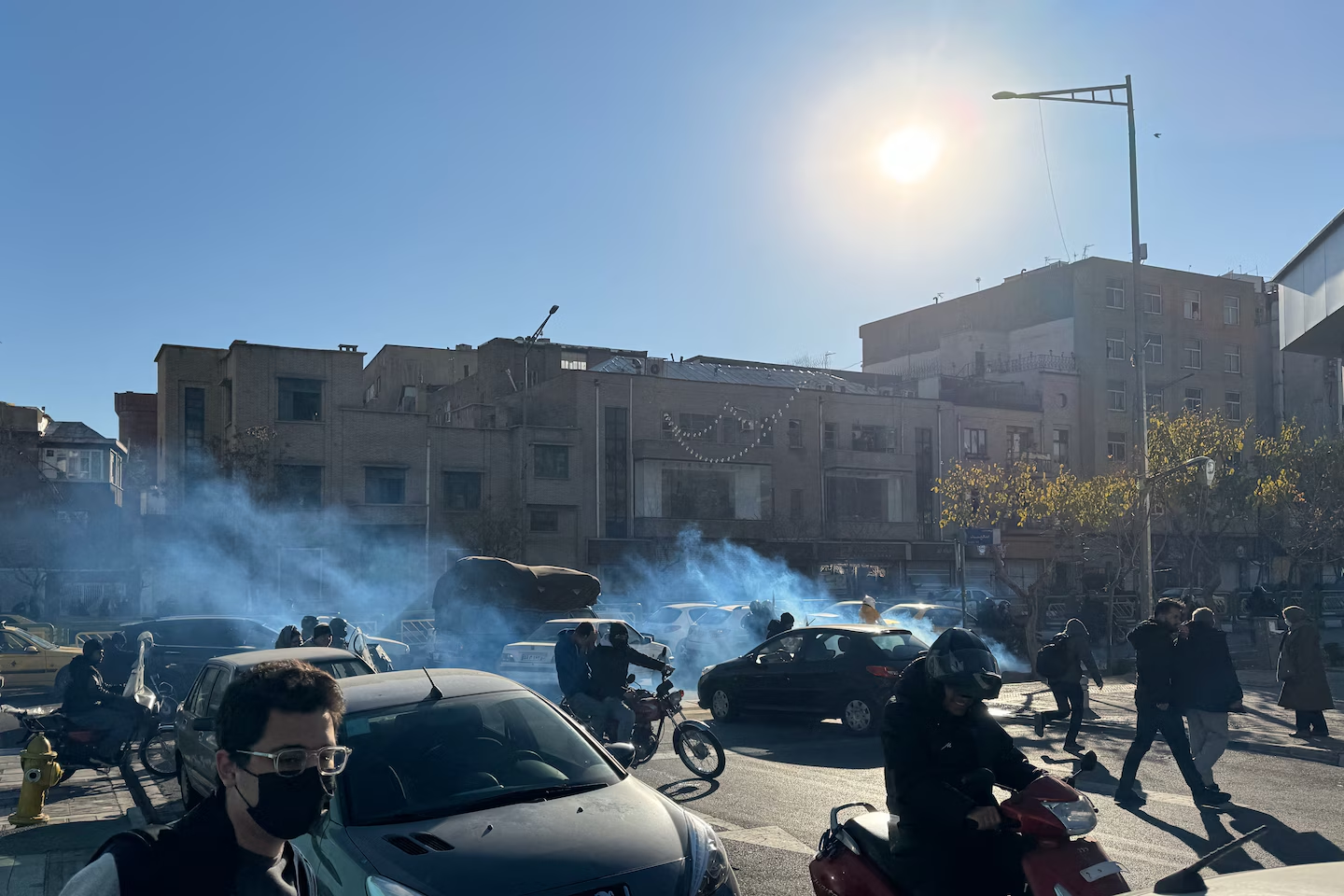
Iran has confirmed that it is maintaining communication with the United States amid escalating tensions over a violent crackdown on nationwide protests that have shaken the country for weeks. The unrest represents one of the most serious challenges to Iran’s clerical leadership since the 1979 Islamic Revolution.
Speaking on Monday, Iranian officials said dialogue channels with Washington remain open, even as U.S. President Donald Trump considers possible responses to the deadly suppression of demonstrators. The protests, which began on December 28, have spread rapidly across cities and regions, fueled by public anger over political repression, economic hardship, and governance issues.
On Sunday, President Trump signaled a more assertive U.S. stance, stating that Washington could meet directly with Iranian officials while also maintaining contact with opposition figures. At the same time, he intensified pressure on Tehran’s leadership, openly warning that military action could be considered if violence against protesters continues.
Human rights groups paint a grim picture of the situation on the ground. According to the U.S.-based Human Rights Activists News Agency (HRANA), at least 572 people have been killed since the demonstrations began. The group reports that 503 of the victims were protesters, while 69 were members of Iran’s security forces. In addition, more than 10,600 people have reportedly been arrested as authorities attempt to crush the movement.
The scale of the unrest and the death toll have drawn international concern, with calls mounting for accountability and restraint. While Iran’s leadership insists it can restore order, the persistence of the protests suggests deep-rooted public frustration that may not be easily silenced.
As diplomatic lines remain open, the coming days could prove critical. Any decision by the Trump administration—whether diplomatic engagement, increased sanctions, or stronger measures—could significantly shape the future of U.S.–Iran relations and the broader stability of the Middle East.
Discover more from Scoop Hub
Subscribe to get the latest posts sent to your email.