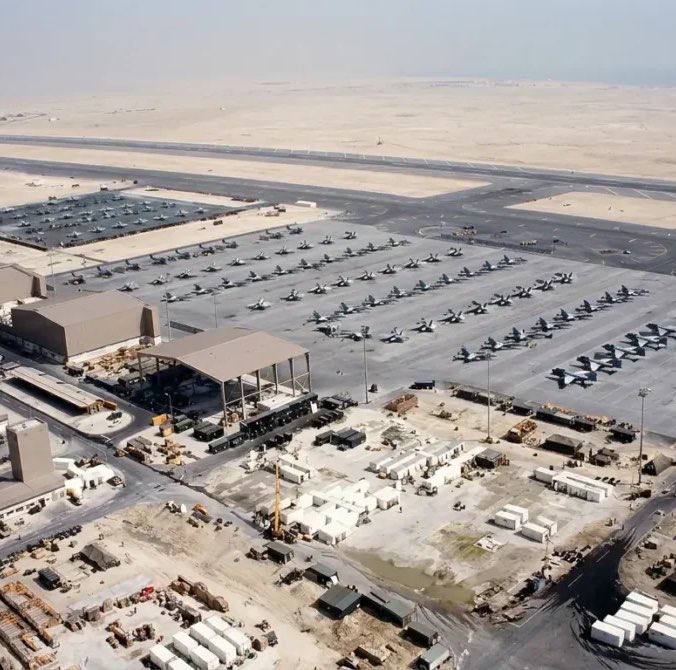
The United States Department of Defense is preparing major military installations to operate for at least 90 days without relying on external support, as the Pentagon moves to protect its forces against potential disruptions caused by a major conflict.
The plan is part of an initiative known as FORTRESS America, which aims to strengthen military bases against threats to electricity, water, fuel, communications and critical supply chains.
According to a report by Fox News published on October 25, 2026, the initiative is designed to ensure American forces can continue operating even if attacks or other emergencies disrupt civilian infrastructure and international supply routes.
Under the plan, major military installations in the continental United States are expected to develop the capacity to maintain essential operations for 90 days without depending on ordinary civilian infrastructure.
A major focus is energy independence. Many military bases currently rely on civilian electricity grids and municipal services, leaving them vulnerable to prolonged outages caused by cyberattacks, physical attacks or severe disruptions.
The Pentagon is exploring solutions such as independent microgrids, battery storage and portable nuclear reactors to provide electricity when the civilian grid becomes unavailable. These systems could help keep military communications, water facilities, command centres and other critical operations running during an emergency.
The initiative extends beyond electricity. The Pentagon also plans to strengthen reserves of fuel, ammunition, medical supplies, spare parts, electronics and other materials needed to sustain military operations.
Officials are also looking to establish alternative supply routes and ensure that critical defence equipment can be obtained from at least two qualified suppliers or production pathways.
The aim is to reduce the risk that the failure of a single supplier, factory or transport route could interrupt military readiness. The initiative also includes plans to prepare selected civilian factories to switch to defence production during a crisis, helping maintain the supply of essential military equipment if normal manufacturing and distribution networks are disrupted.
The strategy reflects growing concerns about the vulnerability of critical infrastructure during a major international conflict. Modern military operations depend heavily on electricity, communications networks, fuel distribution and global manufacturing. A prolonged disruption to these systems could affect not only military bases but also the wider defence industry.
Cyberattacks, interference with satellite systems and attacks on energy infrastructure are among the risks informing the Pentagon’s preparations.
In an October 20 report, Air & Space Forces Magazine noted that energy resilience is an early priority under FORTRESS America. Officials are assessing military installations to determine their needs, costs and suitable power solutions. Full implementation could take years and will vary from base to base.
FORTRESS America is a broader resilience programme, and the 90-day independence goal should not be mistaken for a capability already achieved at every major base.
The Pentagon is still assessing infrastructure requirements and considering different technologies and supply arrangements. The timeline and total cost of achieving the programme’s goals have not been fully established. If implemented successfully, the initiative could help the US military sustain essential operations through prolonged power outages, supply-chain breakdowns or other emergencies that disrupt civilian services.
Discover more from Scoop Hub
Subscribe to get the latest posts sent to your email.