India is aiming to establish its own smartphone brand by October 23, 2028, as the country looks to compete with global technology giants such as Apple and Samsung.
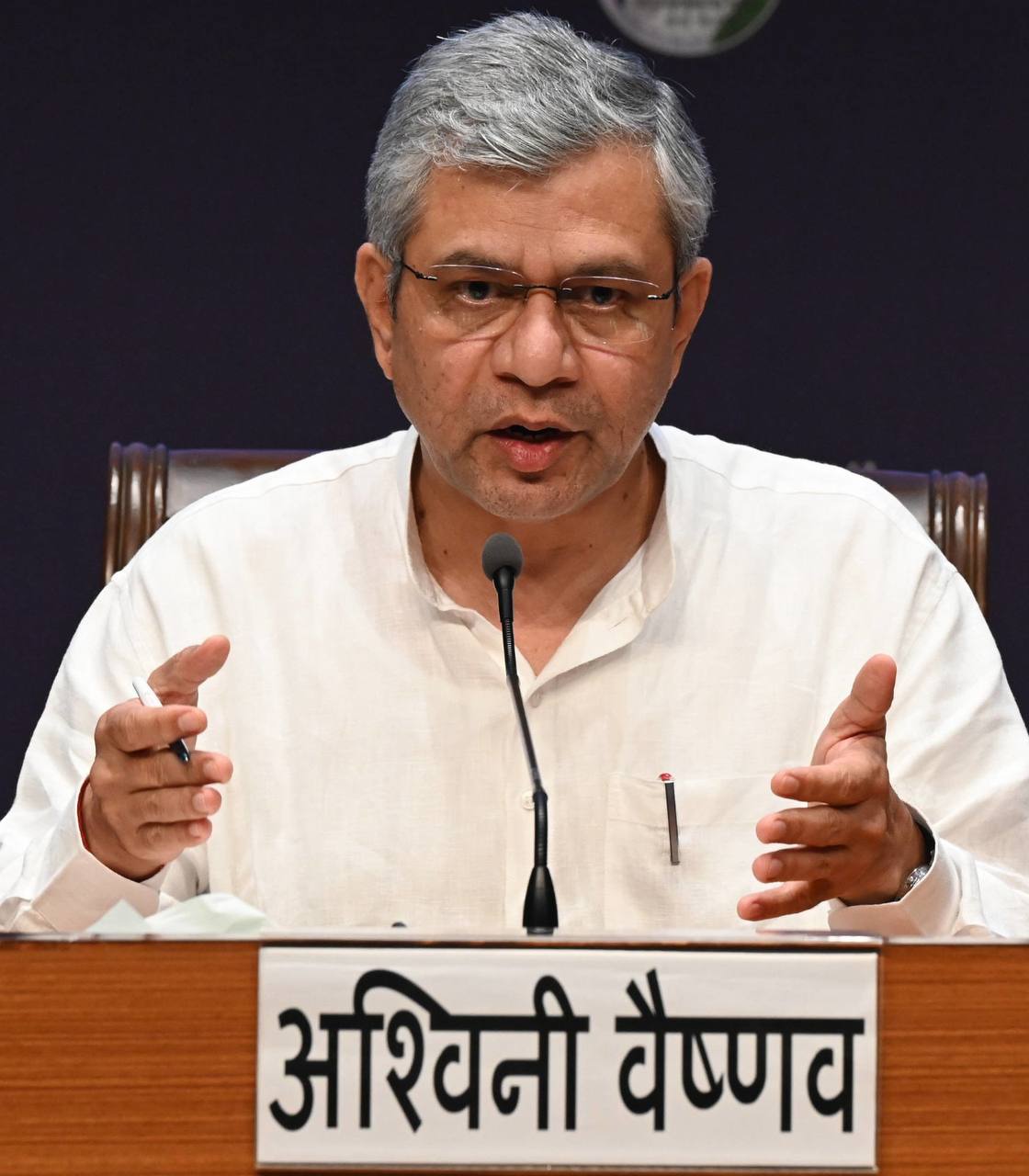
Ashwini Vaishnaw, India’s Minister for Electronics and Information Technology, announced the target during the NDTV World Summit in New Delhi on October 23, 2026. He said the country would have mobile phones that are designed, manufactured and branded in India within the next two years.
The plan marks a push to move beyond assembling smartphones for international companies and develop homegrown products with Indian-owned designs and intellectual property.
India has become a major smartphone manufacturing hub, producing devices for several international brands. However, the government now wants local companies to take a bigger role in designing and developing the technology behind the phones.
Vaishnaw said Indian designers had been challenged several years ago to develop smartphone hardware, including the printed circuit board (PCB), which serves as the phone’s main electronic platform.
According to the minister, two companies took up the challenge, and one developed a design that was selected by a major US telecommunications provider. The company subsequently designed, manufactured and delivered a 5G smartphone to the operator’s customers.
The government hopes to build on this experience to develop phones sold under Indian brands, with the underlying intellectual property retained within the country.
Companies such as Apple and Samsung have spent years developing their smartphone technologies, software ecosystems and global distribution networks. Competing with them will require more than simply manufacturing a phone locally.
A successful Indian smartphone brand will need to deliver reliable performance, competitive pricing, strong battery life, quality cameras and consistent software updates. It will also need to earn consumer trust and establish distribution and after-sales support across domestic and international markets.
Designing a smartphone is a complex engineering task. Manufacturers must integrate processors, memory, cameras, displays, antennas, wireless communication systems and power-management components into a compact device while maintaining performance and energy efficiency.
Vaishnaw acknowledged these challenges while explaining why developing an Indian-designed smartphone requires significant technical expertise.
If the plan succeeds, it could help Indian companies capture a greater share of the value generated by the global smartphone industry.
Developing locally owned designs and intellectual property could create opportunities for engineers, technology startups, component manufacturers and other businesses in the electronics supply chain.
The initiative could also support India’s wider ambition to strengthen domestic electronics manufacturing and reduce its dependence on foreign technology ownership.
However, an Indian-designed and branded phone would not necessarily mean that every component is manufactured in India. Smartphone production relies on complex international supply chains, and the government has not yet disclosed how much of the proposed device’s components would be sourced domestically.
Vaishnaw has set October 23, 2028, as the target date for Indian-designed, Indian-manufactured and Indian-branded mobile phones.
However, the government has not announced the smartphone’s brand name, specifications, price or commercial launch details. It is also too early to determine whether a new Indian brand will gain enough market share to challenge established companies such as Apple and Samsung.
For now, the announcement represents an ambitious industrial goal rather than proof that India will become a major global smartphone brand by the deadline.
Discover more from Scoop Hub
Subscribe to get the latest posts sent to your email.