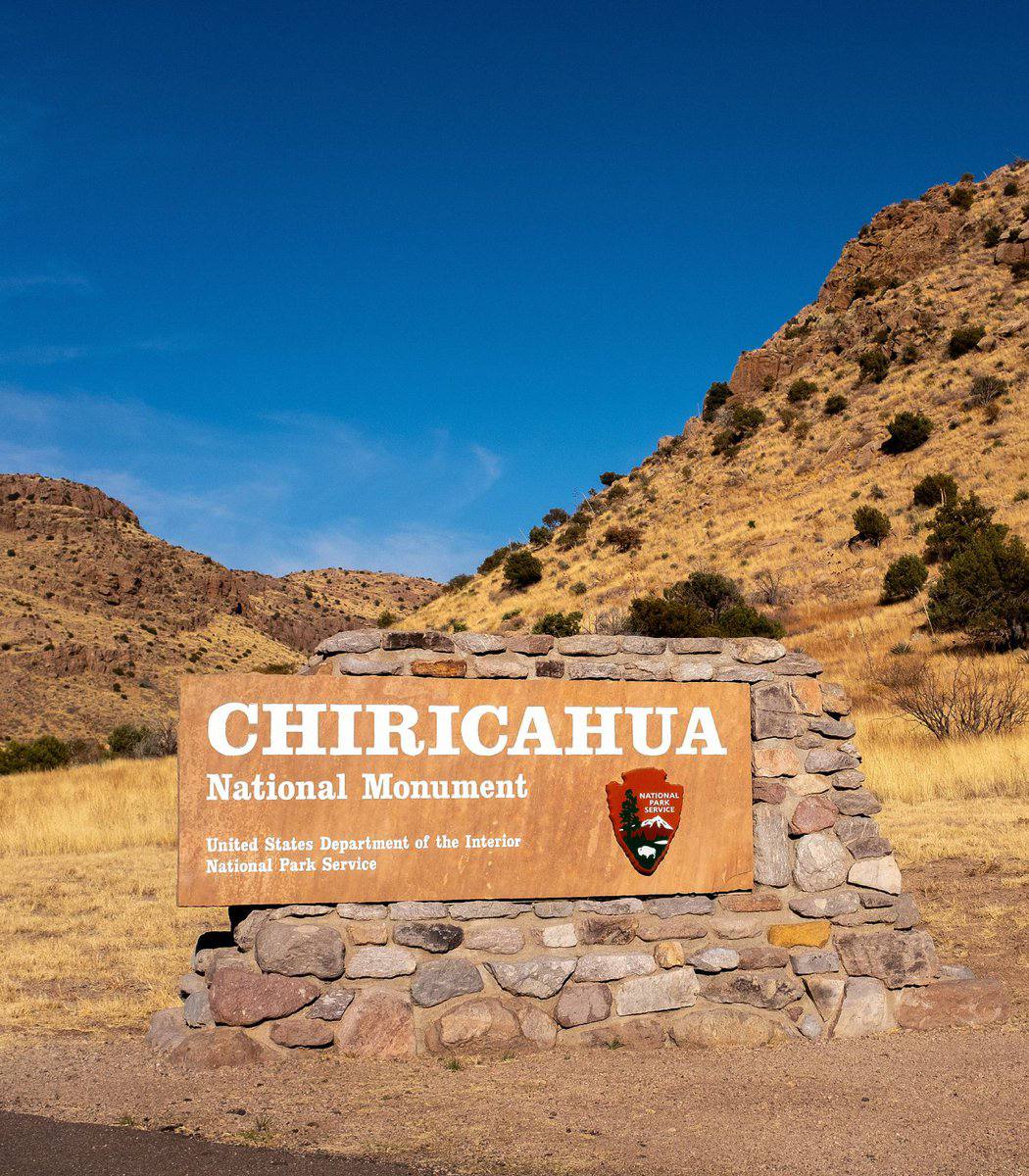
The United States has officially added a new national park for the first time in six years, with Arizona’s Chiricahua National Monument receiving national park status after President Donald Trump signed legislation establishing Chiricahua National Park.
The designation became official on October 20, 2026, making Chiricahua the 64th national park in the country and Arizona’s fourth. The decision marks a major milestone for a landscape famous for its towering rock formations, remarkable biodiversity and cultural significance.
Often called the “Wonderland of Rocks,” Chiricahua has attracted hikers, wildlife enthusiasts and nature lovers for generations. Its new status is expected to raise the area’s national profile and could bring additional visitors and economic opportunities to nearby communities.
Located in southeastern Arizona, near the town of Willcox, Chiricahua National Park covers approximately 12,000 acres of rugged terrain.
Its extraordinary landscape began forming around 27 million years ago, following a massive volcanic eruption that blanketed the region with ash. Over millions of years, erosion gradually sculpted the hardened volcanic material into the tall rock spires, narrow passages and balancing formations that make the area distinctive.
These formations, known as hoodoos, rise dramatically above the surrounding grasslands and forests, creating a landscape that looks almost otherworldly.
The region is also part of Arizona’s “sky island” ecosystem, where mountain habitats support a mixture of desert, grassland and forest species. This meeting of environments contributes to the area’s rich biodiversity and makes it an important destination for birdwatching, hiking, wildlife viewing and stargazing.
Chiricahua was first designated a national monument in 1924 by President Calvin Coolidge, protecting its unusual geological formations and natural resources.
The campaign to elevate it to national park status has taken years. Arizona lawmakers from both major political parties supported the redesignation, with Representative Juan Ciscomani championing legislation in the House and Senators Mark Kelly and Ruben Gallego backing the effort in the Senate.
Congress passed the legislation in 2026 before Trump signed it into law on October 20. Supporters say the new designation recognises the area’s national importance and could help attract greater public attention, tourism and resources for conservation.
Importantly, the change in status does not enlarge the existing protected area. Instead, it gives the already protected landscape a new designation within the National Park System.
Chiricahua’s importance extends beyond its natural beauty. The area is connected to the history and heritage of the Chiricahua Apache, for whom the surrounding landscape holds deep cultural significance. It also preserves evidence of thousands of years of human history, including the legacy of early homesteading families.
The legislation includes provisions intended to protect traditional cultural and religious sites and preserve access for tribal members. The designation therefore recognises more than a geological attraction. It also highlights the importance of protecting the area’s cultural heritage alongside its wildlife and natural environment.
For visitors, the transition to national park status is expected to bring greater recognition to a destination that has remained relatively less visited than many of America’s best-known parks. Chiricahua offers hiking trails, scenic drives, camping opportunities, wildlife observation and panoramic views across southeastern Arizona.
The National Park Service has said these activities will continue under the new designation. The area received approximately 70,000 visitors in 2025, according to local reporting. Officials expect interest to increase as the park becomes better known nationally and internationally.
However, increased tourism may also bring challenges. More visitors can mean greater pressure on roads, trails, visitor facilities and conservation resources. Maintaining adequate staffing and infrastructure will be important if the park is to accommodate additional visitors while protecting its fragile environment.
The redesignation could also benefit nearby communities, particularly Willcox, which lies close to the park. Local leaders believe greater recognition could encourage more travellers to visit the region, spend money at local businesses and explore other attractions in southeastern Arizona.
Restaurants, accommodation providers, tour operators and other tourism-related businesses could benefit if visitor numbers rise. Officials have also highlighted the potential need for investment in infrastructure, trail maintenance, water systems and visitor services as the park’s profile grows.
The economic benefits, however, will depend on how effectively the region manages tourism and whether sufficient resources are available to support both visitors and conservation.
Chiricahua becomes the 64th national park in the United States, joining a system that protects some of the country’s most significant natural and cultural landscapes. Arizona is now home to four national parks: Grand Canyon, Petrified Forest, Saguaro and Chiricahua.
The previous addition to the national park list was New River Gorge National Park and Preserve in West Virginia, which received the designation in 2020. Although Chiricahua has been protected for more than a century, its new status gives the area fresh national attention and marks the culmination of a long campaign by conservation supporters and Arizona lawmakers.
The elevation of Chiricahua National Monument to national park status is a milestone for Arizona and the wider US National Park System.
Its striking volcanic formations, diverse wildlife and Apache cultural heritage make it a distinctive part of America’s natural landscape. The new designation could bring more visitors and economic opportunities to the surrounding region, while also increasing attention on the importance of long-term conservation.
Discover more from Scoop Hub
Subscribe to get the latest posts sent to your email.