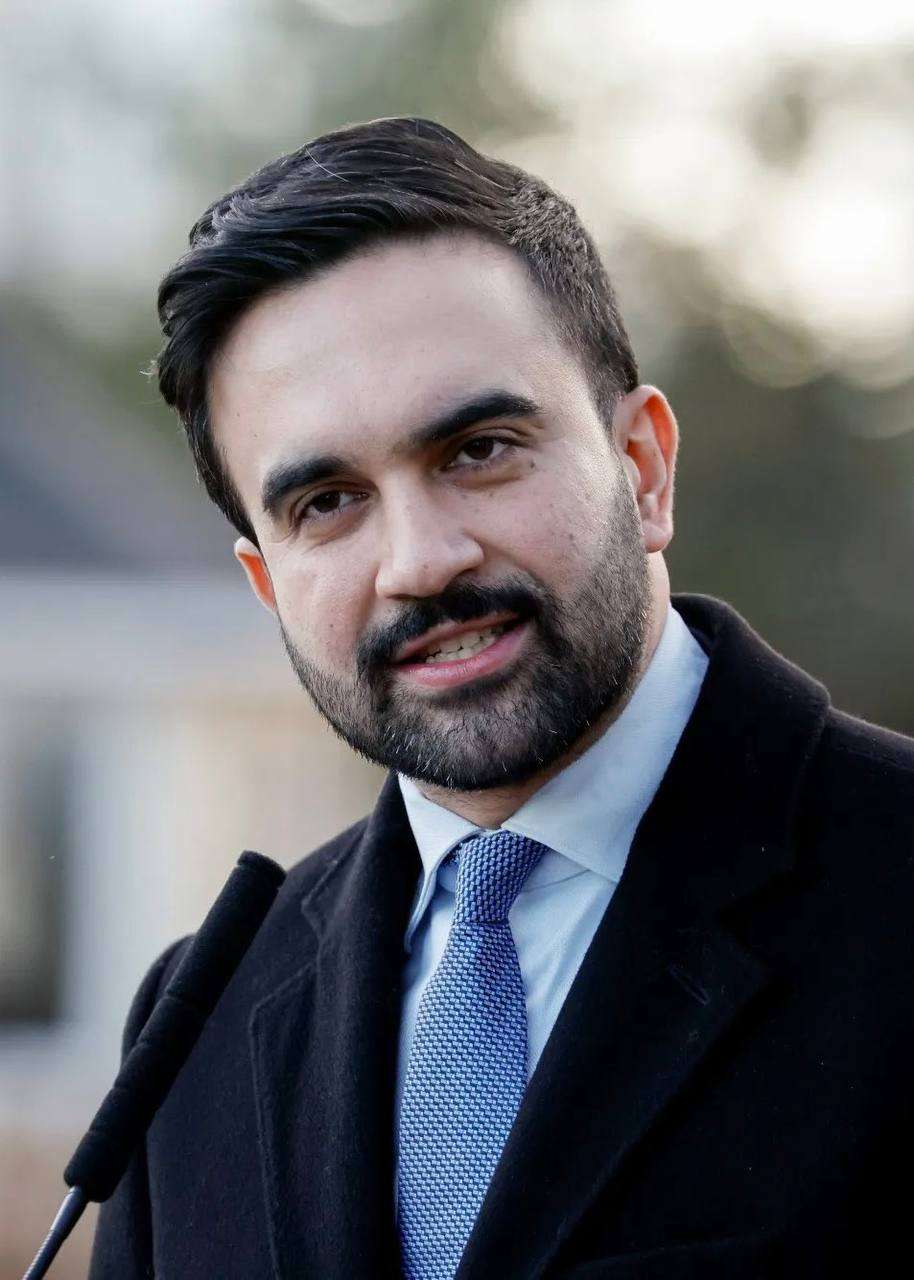
US Secretary of State Marco Rubio has spoken out against racist attacks targeting Indians and Indian Americans, describing those responsible as “stupid, dumb, ignorant, or hateful” and praising communities that stand together against discrimination.
Rubio made the remarks in an interview reported on October 21, 2026, amid renewed concerns about anti-Indian sentiment in the United States. He said he did not believe hostility toward Indians was widespread or deeply rooted across American society, while acknowledging that incidents motivated by racism and hatred do occur.
His comments have renewed discussion about discrimination against Indian communities, the contributions of immigrants to American society and the responsibility of local communities to challenge racist behaviour.
During the interview, Rubio addressed concerns about incidents targeting Indians and Indian Americans, including a reported foiled plot to attack a Hindu temple in Illinois. He said that, as in any large and complex society, some individuals hold prejudiced views and engage in hateful behaviour.
“Like any large and complex society, there are individuals within our country, sadly, who are stupid, dumb, ignorant, or hateful,” Rubio said. He also praised the response of communities that support people targeted by discrimination, emphasising that opposition to racism should extend beyond the affected community itself.
Rubio’s comments underscored the distinction between the actions of individuals and the broader population of a country.
Indian Americans have become an established part of life in the United States, contributing to sectors including technology, medicine, business, education and public service.
However, racist remarks and hostility toward immigrants remain concerns for many people of Indian origin. Online abuse and inflammatory comments about immigration can also contribute to an atmosphere in which individuals feel targeted because of their ethnicity or national background.
Rubio said he did not view anti-Indian sentiment as widespread or deeply entrenched in the United States. His remarks acknowledged the problem while cautioning against treating the actions of some individuals as representative of an entire society.
The issue is particularly significant as Washington and New Delhi continue to pursue cooperation in trade, defence, technology and regional security.
The latest remarks follow comments Rubio made during a visit to New Delhi on May 24, 2026, when he addressed questions about racist statements targeting Indians and Indian Americans.
At a joint press conference with India’s External Affairs Minister S. Jaishankar, Rubio said that every country has people who make offensive or ignorant comments. He also described the United States as a welcoming country and highlighted how immigrants from around the world have enriched American society.
Rubio’s May comments attracted considerable attention online, particularly amid debate about US immigration policy and anti-immigrant rhetoric. In both instances, his message was that racist behaviour should be taken seriously without allowing the actions of individuals to define an entire nation.
Rubio also highlighted the importance of how communities respond when discrimination occurs. He praised people who support those targeted by hate, pointing out that solidarity should not be limited to the victims or members of their own ethnic community.
Such responses can help make it clear that racism is not acceptable and that people should be able to live, work, worship and participate in public life without being targeted because of their background. His comments come amid continuing discussions about immigration, identity and the treatment of minority communities in the United States.
The issue also has a diplomatic dimension. India and the United States maintain a strategic partnership covering trade, defence, technology, energy and regional security.
Rubio has previously stressed that the Indian diaspora has made important contributions to the American economy and society. His comments on racism reflect the broader challenge of addressing discrimination while maintaining relationships between countries whose citizens have extensive personal, educational and commercial ties.
However, condemning racist behaviour does not by itself resolve the underlying issues. The treatment of affected communities, the enforcement of laws against hate-motivated offences and the willingness of institutions to respond to discrimination remain important parts of the discussion.
Marco Rubio’s condemnation of racism against Indians has placed renewed attention on the treatment of Indian and Indian American communities in the United States.
By describing perpetrators as “stupid, dumb, ignorant, or hateful,” the US secretary of state sought to distinguish individual prejudice from the wider character of American society. He also praised communities that stand alongside people targeted by racism.
His remarks send a clear message about the importance of challenging discrimination, although the broader issue requires continued attention from public officials, law enforcement and communities.
Discover more from Scoop Hub
Subscribe to get the latest posts sent to your email.