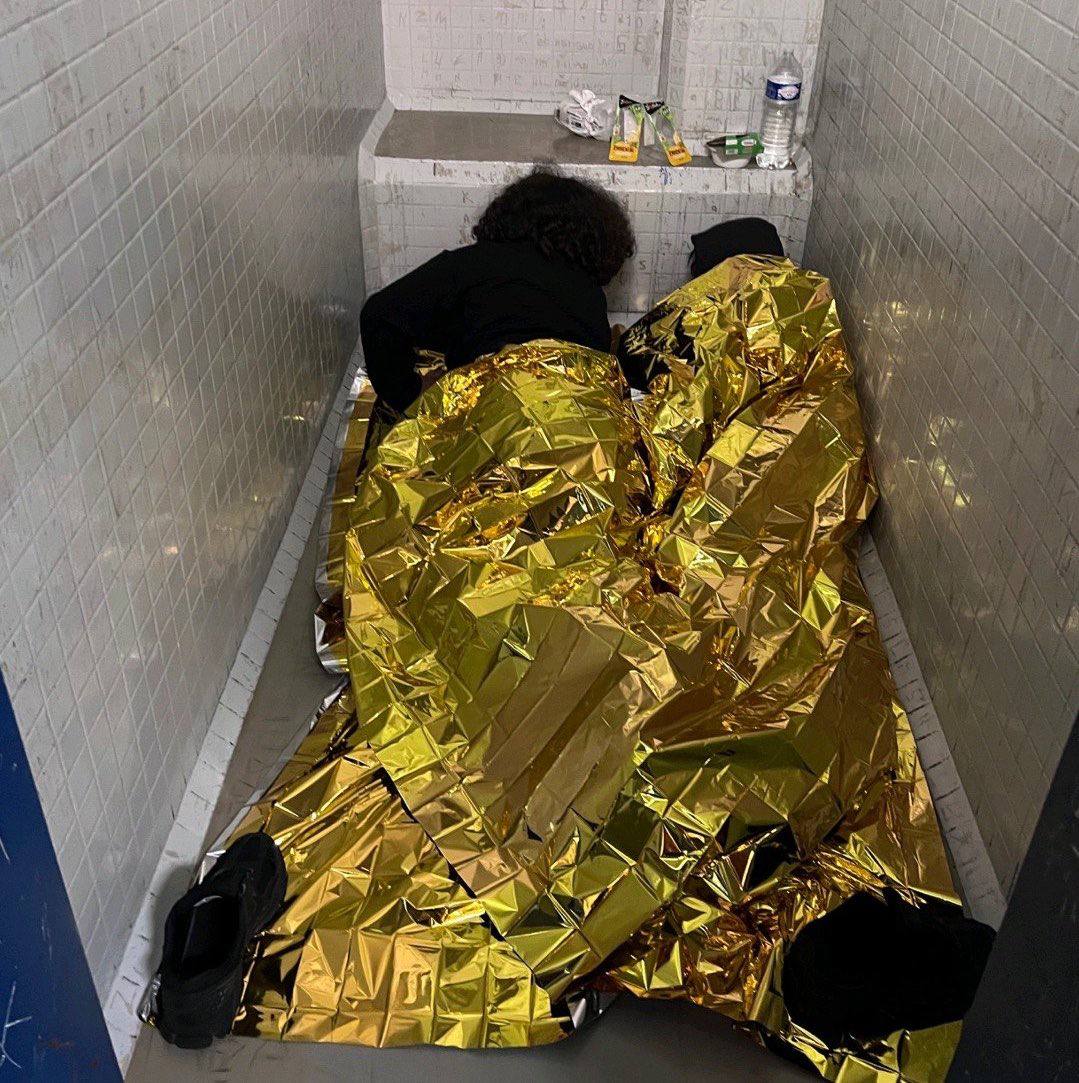
Serious concerns have been raised over detention conditions at a courthouse facility in Bobigny, France, after lawyers reported that dozens of detainees, including minors, were held in overcrowded and unhygienic conditions following arrests linked to protests and unrest.
According to a report published by the Seine-Saint-Denis Bar Association, 86 people were held at the facility on October 20, 2026, with only 10 mattresses available for everyone. The following morning, lawyers who inspected the premises reported that detained teenagers had spent the night sleeping on hard floors, often relying on thin emergency blankets for warmth.
The findings have sparked renewed criticism of the treatment of young detainees and raised questions about whether basic standards of hygiene, safety and dignity were respected.
Four lawyers appointed by the head of the Seine-Saint-Denis Bar Association visited the detention area beneath the Bobigny courthouse on October 21 to examine the conditions in which minors were being held.
Their report described cramped cells, inadequate sleeping arrangements, cold temperatures and poor sanitation.
According to the lawyers, some teenagers were placed in cells designed for a single occupant, with several young people reportedly sharing spaces measuring only a few square metres. Some had to sleep directly on the floor because no mattresses were provided to the minors examined.
The lawyers also reported finding rubbish, discarded food packaging and bottles containing urine in several cells. In some instances, the waste had reportedly been left behind by previous occupants. The findings raised concerns about the cleanliness of the premises and whether detainees had adequate access to toilets and other essential facilities.
The lawyers also highlighted problems affecting detained girls, including a reported lack of appropriate hygiene kits and menstrual products.
According to the report, one girl was given a hygiene kit intended for men while she was menstruating. The lawyers also raised concerns about the availability of suitable sanitary supplies for other detained teenagers.
Several minors were reportedly exposed to cold temperatures during the night. The lawyers said they observed teenagers trembling, while some sleeping benches were too short to allow older adolescents to lie down comfortably.
The report further raised questions about access to medical care. While some minors were examined by medical professionals, others reportedly said they had not been offered a consultation. The lawyers called attention to these shortcomings, arguing that the age of the detainees made appropriate care and humane treatment particularly important.
The arrests occurred amid unrest and protests in the Seine-Saint-Denis area surrounding October 17. The disturbances included incidents of violence and looting, while student mobilisation and demonstrations over the cost of living formed part of the wider context.
Some of the detained teenagers had reportedly spent up to 48 hours in police custody before being transferred to the courthouse detention area ahead of their court appearances.
Seventeen minors were reported to have spent the night there before being presented to judicial authorities on October 21.
The distinction is important: the Bobigny facility is a holding area used for people awaiting judicial proceedings, rather than a conventional long-term prison. Nevertheless, lawyers say that its temporary function does not excuse inadequate sleeping arrangements, sanitation or access to essential care.
The arrests and the conditions reported inside the facility have prompted concern among lawyers, teachers, families and local representatives.
The report prompted scrutiny from the Bobigny prosecutor’s office, which acknowledged that the minors had not been accommodated in acceptable conditions during the night.
That acknowledgement has added weight to the lawyers’ concerns, although the precise circumstances and responsibility for each reported shortcoming remain matters for the relevant authorities to address.
The case has also renewed attention on the facility’s existing problems. The Bobigny detention area has previously faced criticism over its physical conditions and the treatment of people held there.
Lawyers have argued that improvements are needed to prevent overcrowding and ensure detainees receive appropriate facilities, particularly when children are involved.
The case has drawn particular attention because those affected included teenagers, some of whom were reportedly still attending school. The lawyers’ report raised questions not only about sleeping arrangements and hygiene, but also about whether minors understood whether their parents had been notified of their detention.
Families and educators have expressed concern about the impact of prolonged custody and the reported conditions on young people. The allegations have also prompted a broader discussion about the balance between enforcing the law during periods of unrest and safeguarding the rights of people in custody.
Authorities have a responsibility to investigate alleged offences and maintain public order. At the same time, people detained by the state remain entitled to humane treatment, adequate sanitation and appropriate medical attention. For minors, those protections are especially significant.
Discover more from Scoop Hub
Subscribe to get the latest posts sent to your email.