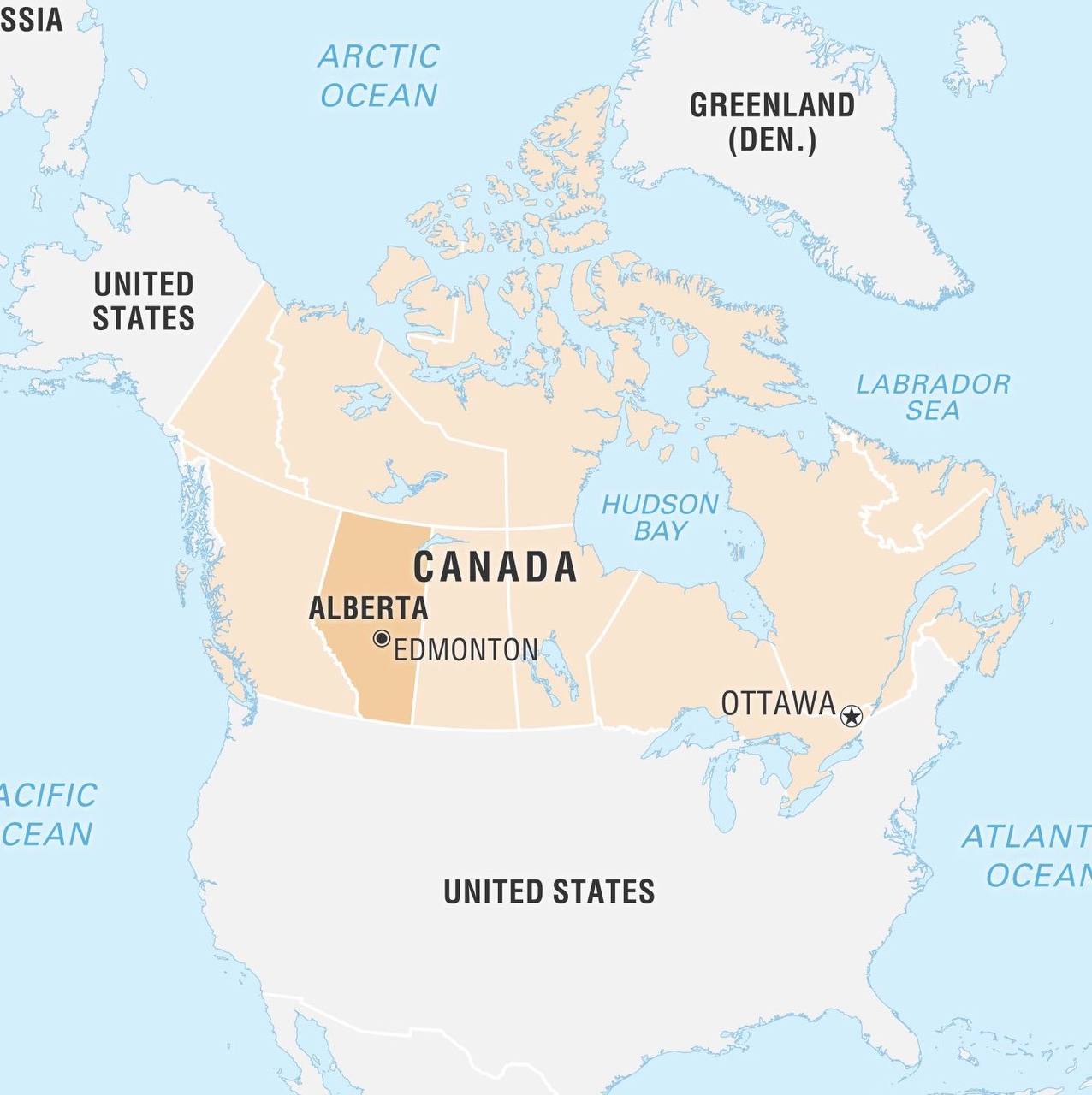
Voters in Alberta, Canada, have rejected a proposal to begin the process toward a potential separation from the country, delivering a major setback to the province’s independence movement.
Early results from the October 19, 2026, referendum showed approximately 76% to 77% of voters supporting the option to remain part of Canada, while around 23% backed starting the legal process for a future referendum on independence.
The vote marked a significant test of Canadian national unity amid growing political tensions over federal policies, energy regulations and Alberta’s relationship with the government in Ottawa.
Despite widespread discussion about Alberta becoming an independent country, the referendum was not a direct vote on whether the province should leave Canada. Instead, voters were asked to choose between remaining a Canadian province and instructing the provincial government to begin the legal process required to hold a future binding referendum on separation.
A vote in favour of beginning that process would not have made Alberta independent immediately. Any eventual separation would involve further legal and constitutional steps, including negotiations under Canada’s constitutional framework. The referendum was non-binding, meaning its result did not itself change Alberta’s constitutional status.
Alberta is one of Canada’s most economically important provinces, with a major oil and natural gas industry and substantial energy resources. Supporters of independence argue that Alberta contributes significant revenue to the Canadian economy but has limited influence over federal decisions affecting its energy sector and economic development.
Some separatists also oppose federal environmental policies and argue that an independent Alberta could exercise greater control over its natural resources, taxation and public spending.
The independence movement gained visibility amid wider political disagreements, including disputes over federal authority and the economic consequences of government policies introduced in recent years. However, support for separation has remained a minority position among Alberta residents, according to polling before the referendum.
Canadian Prime Minister Mark Carney welcomed the outcome, describing it as a clear choice in favour of national unity. Carney had campaigned against separation, arguing that Alberta’s future would be stronger within Canada. He also highlighted the importance of cooperation on trade, infrastructure and energy development.
Alberta Premier Danielle Smith, who opposed independence but supported holding the referendum to address separatist pressure, also welcomed the decision to remain within Canada.
The vote comes at a time of heightened tensions involving the United States, including trade disputes and President Donald Trump’s previous rhetoric about Canada becoming the 51st US state. These issues have added to the political debate surrounding Canadian sovereignty and national unity.
The independence debate has also raised significant questions about the rights of Indigenous peoples and their historic treaties with the Canadian government. First Nations leaders have raised concerns about how Alberta’s potential separation could affect treaty relationships, land rights and constitutional protections.
These concerns would remain important in any future attempt to pursue independence, regardless of the referendum outcome. Canada’s legal framework does not allow a province to unilaterally leave the country simply by declaring independence.
The referendum nevertheless demonstrates that, at this stage, a substantial majority of participating voters prefer Alberta to remain within Canada. For the provincial government, the result provides an opportunity to shift attention back toward economic policy, energy development, public services and Alberta’s relationship with the federal government.
The outcome also reinforces a central reality of the independence debate: political frustration with Ottawa does not automatically translate into majority support for creating a separate country.
For now, Alberta remains part of Canada, and the referendum has delivered a strong signal that voters are not ready to move toward separation.
Discover more from Scoop Hub
Subscribe to get the latest posts sent to your email.