U.S. President Donald Trump has rejected Iran’s latest proposal for a seven-day ceasefire and a roadmap toward renewed peace negotiations, adding fresh uncertainty to diplomatic efforts to end the ongoing conflict.
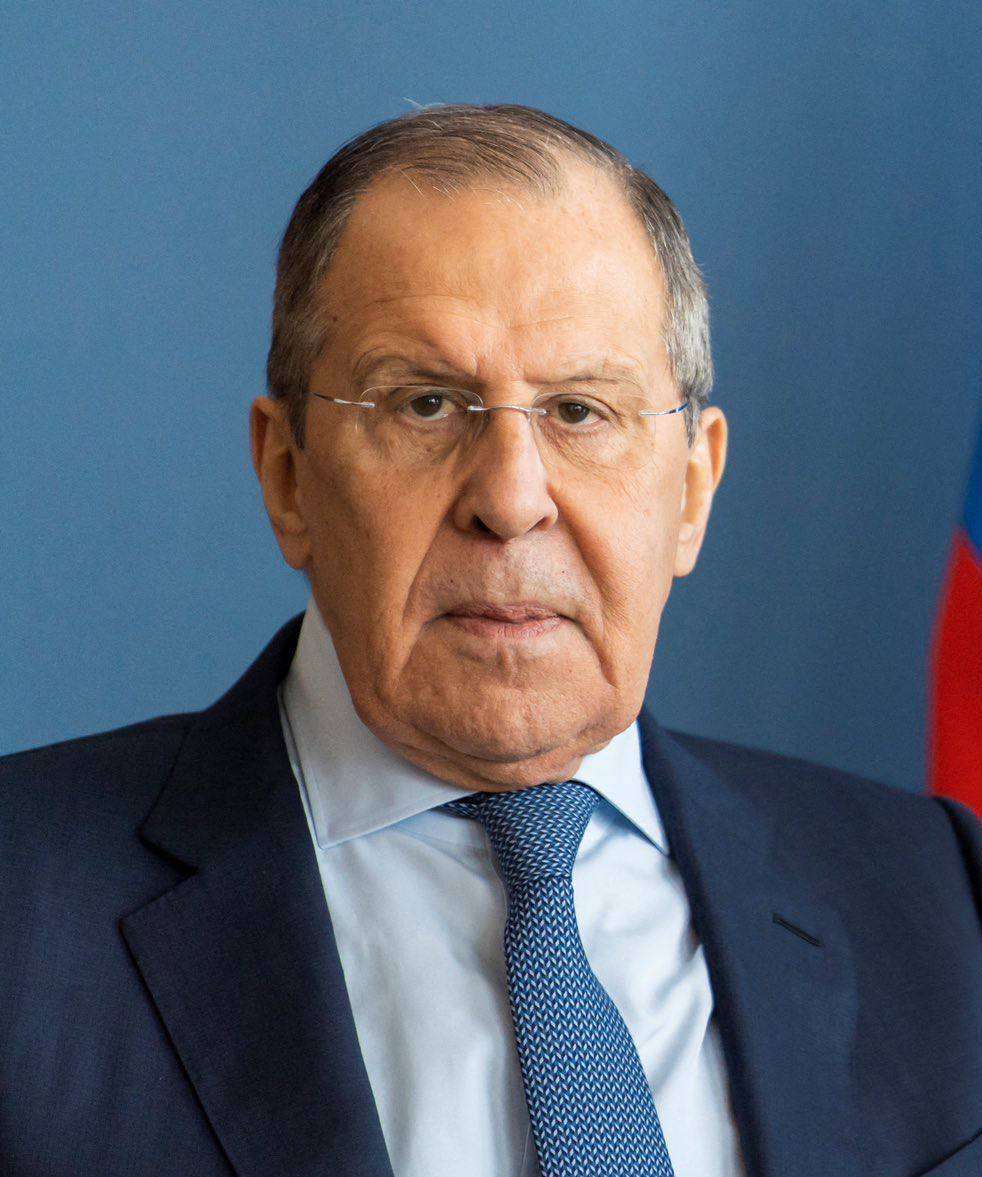
Iranian Foreign Minister Abbas Araghchi said Tehran had submitted the proposal through Qatari mediators during the United Nations General Assembly in New York. Under the plan, the United States would lift its naval blockade of Iranian ports, ease sanctions on Iranian oil sales and observe a ceasefire covering the region.
In return, Iran said it would reopen the strategically important Strait of Hormuz within seven days and resume negotiations with Washington over its nuclear programme.
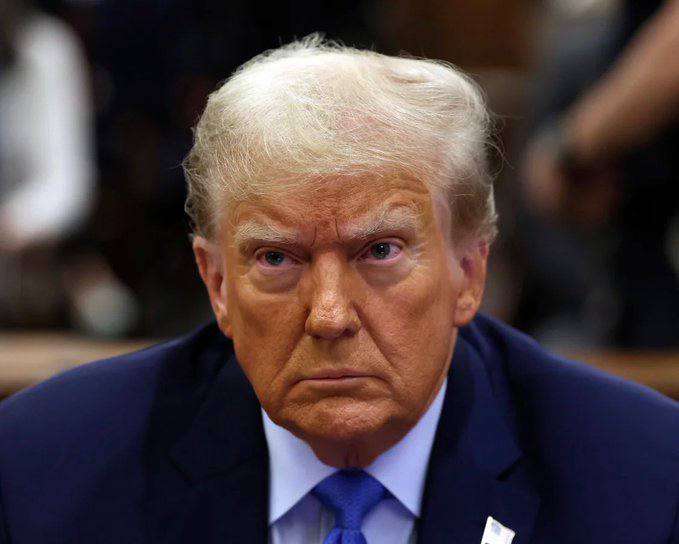
Trump publicly confirmed on Saturday that he had rejected the proposal. “They have made a proposal and I rejected it,” Trump told reporters, arguing that Iran was seeking a deal because of the pressure it was facing.
Under Tehran’s seven-day roadmap, the initial steps would take several days, followed by the reopening of the Strait of Hormuz and the resumption of negotiations on the seventh day.
Iran has said the proposal would also require the United States to lift its naval blockade, remove restrictions on Iranian oil exports and maintain a ceasefire covering the wider region. The Strait of Hormuz is particularly important because it is a major route for global energy shipments. Its disruption has already contributed to higher energy prices and created concerns about international oil supplies.
According to reporting by The Wall Street Journal, citing unnamed U.S. officials, Trump is skeptical that Iran would meet American demands and has indicated to aides that he expects military action against Iran could resume after the November U.S. midterm elections.
Some interpretations of the administration’s position have suggested that Washington wants to maintain economic and military pressure on Tehran rather than accept the terms offered by Iran.
However, claims that Trump is specifically waiting for Iran to “collapse” should be treated as an interpretation rather than an established fact. The reporting indicates that U.S. officials believe Trump expects continued pressure on Iran and could resume bombing later, but Trump has not publicly stated that his objective is to wait for the Iranian government to collapse.
Despite the rejection of the latest proposal, indirect communication between Washington and Tehran continues through mediators including Qatar. A U.S. official has described discussions through mediators as “positive and constructive,” while Trump told Axios on Sunday that he expects American negotiators to hold further talks with Iran this week.
The two sides, however, remain divided over the key issues. Washington is demanding concessions concerning Iran’s nuclear programme, while Tehran has focused its latest proposal on ending the fighting, lifting the blockade and reopening the Strait of Hormuz.
For now, Trump’s rejection of the seven-day proposal leaves the diplomatic process uncertain, while both sides continue to weigh negotiations against the possibility of renewed military action. The situation could still change as mediators continue their efforts to bring Washington and Tehran back to the negotiating table.
Discover more from Scoop Hub
Subscribe to get the latest posts sent to your email.