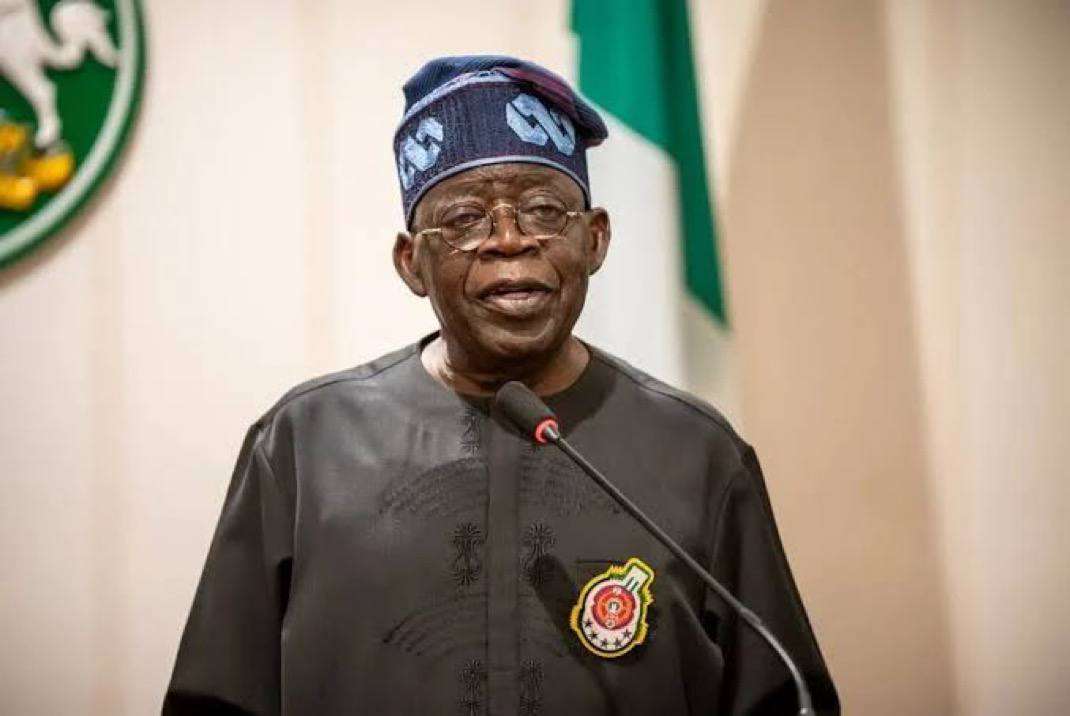
President Bola Ahmed Tinubu has called for a major reform of the United Nations Security Council, arguing that the global power structure established in 1945 no longer reflects the realities of the world in 2026.
Tinubu made the call in Nigeria’s statement to the 81st United Nations General Assembly in New York. The address was delivered on his behalf by Vice President Kashim Shettima during the General Debate on Thursday, September 24.
“The reform of this institution must begin with the reconstitution of the Security Council, for the world of 2026 cannot remain captive to the distribution of power in 1945,” Tinubu said in the address. He argued that Africa should no longer remain without permanent representation on the council despite the continent’s importance to global peace and security.
Nigeria called for at least two permanent seats for Africa on the UN Security Council, with the full rights and responsibilities of permanent membership, including veto power for as long as the veto remains part of the council’s structure. The country also called for five non-permanent seats for Africa.
Tinubu said Nigeria’s position is consistent with the Ezulwini Consensus and the Sirte Declaration, which form the basis of the African Union’s common position on reform of the UN Security Council. “Africa cannot continue to fill the Council’s agenda while remaining absent from its permanent membership,” he said.
Beyond Security Council reform, Tinubu urged world leaders to return to the principles of dialogue, mutual respect and collective responsibility as conflicts continue in different parts of the world. He said Nigeria supports a global system in which diplomacy takes precedence over coercion, cooperation over isolation and international law over the arbitrary use of power.
The Nigerian president also called for an end to warfare and warned against the growing use of unilateral action and nationalism. According to the address, conflicts occurring far beyond national borders can still have consequences for other countries because of the increasingly interconnected nature of the world.
Tinubu’s comments place Nigeria’s longstanding push for greater African representation at the centre of its position at the UN. The current Security Council has five permanent members — China, France, Russia, the United Kingdom and the United States — alongside 10 non-permanent members elected for two-year terms.
Nigeria has repeatedly supported the African Union’s position that the continent should have permanent representation on the council.
The latest demand comes as the UN itself continues to face calls for institutional reform. At the opening of the 81st General Assembly, UN General Assembly President Khalilur Rahman also said the UN and the world it serves are profoundly different from those of 1945 and highlighted Africa’s continued underrepresentation on the Security Council.
For Nigeria, the issue is therefore not simply about gaining seats at the UN. It is about changing the structure of global decision-making to reflect what Abuja argues is today’s geopolitical reality.
As Tinubu put it in his address, “The authority to speak for humanity carries an obligation to represent it.”
Discover more from Scoop Hub
Subscribe to get the latest posts sent to your email.