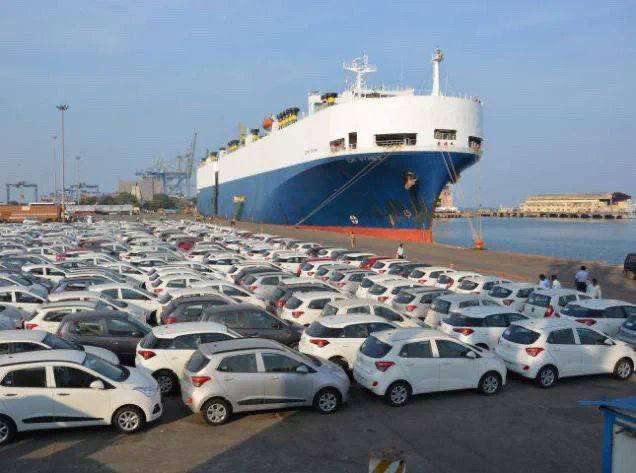
Nigeria spent ₦1.18 trillion on passenger motor vehicle imports in the first half of 2026, representing a 145.6 per cent increase compared with the ₦479.26 billion recorded during the same period in 2025. The figures were revealed in an analysis of the National Bureau of Statistics (NBS) Foreign Trade Statistics for the first and second quarters of 2026.
The sharp rise means the value of passenger vehicle imports more than doubled within one year, making the category one of the biggest drivers of the increase in Nigeria’s transport-related import bill.
The data showed that Nigeria imported passenger motor vehicles worth ₦552.34 billion in the first quarter of 2026, before the figure increased to ₦624.75 billion in the second quarter. By comparison, passenger vehicle imports stood at ₦224.58 billion in Q1 2025 and ₦254.67 billion in Q2 2025.
Overall, Nigeria imported ₦3.73 trillion worth of transport equipment and parts between January and June 2026, up 44.2 per cent from the ₦2.59 trillion recorded in the corresponding period of 2025.
However, the increase was not spread evenly across all transport-related imports. While passenger motor vehicle imports surged, spending on vehicle parts and accessories actually declined.
Imports of parts and accessories fell by about 4.4 per cent, from ₦755.43 billion in the first half of 2025 to ₦722.59 billion in H1 2026. Meanwhile, imports classified as other transport equipment reached ₦1.83 trillion, compared with ₦1.36 trillion a year earlier.
Industrial transport equipment also recorded a significant increase, rising from ₦975.18 billion to ₦1.39 trillion. The figures suggest that the growth in Nigeria’s transport import bill was driven primarily by complete vehicles and industrial transport equipment rather than vehicle components.
The increase in vehicle imports comes as the Federal Government continues efforts to encourage cheaper and cleaner alternatives to petrol-powered transportation.
In April 2026, the government introduced import-duty waivers covering electric vehicles, mass-transit buses and manufacturing machinery as part of measures aimed at easing transportation costs and encouraging investment.
President Bola Tinubu and state governors also agreed in August to promote the use of compressed natural gas (CNG) and electric vehicles, with measures aimed at reducing transportation costs expected to take effect from October 1. Despite these initiatives, the latest trade figures show that demand for imported passenger vehicles remains strong.
The surge highlights the continued importance of imported vehicles to Nigeria’s automobile market, while also raising questions about the country’s efforts to expand local vehicle production and alternative-fuel transportation.
For consumers, the increase in imports could translate into greater availability of vehicles, but exchange-rate movements, import costs and other levies will continue to influence the prices Nigerians ultimately pay.
The next trade data will show whether the government’s CNG and electric-vehicle initiatives begin to change the composition of vehicle imports or whether conventional passenger vehicles continue to dominate demand.
Discover more from Scoop Hub
Subscribe to get the latest posts sent to your email.