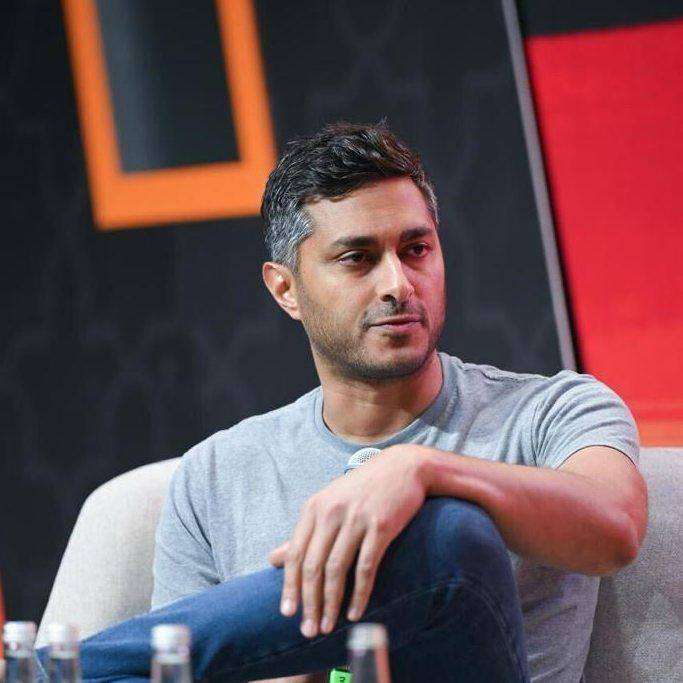
Kraken is looking beyond cryptocurrency trading as the exchange explores expanding its banking operations in Europe and forming partnerships with asset managers, according to co-CEO Arjun Sethi.
The plans reflect Kraken’s broader strategy of evolving from a crypto exchange into a more comprehensive financial services company. Sethi has previously outlined ambitions to build financial infrastructure that can serve customers across multiple asset classes and markets.
Kraken is reportedly considering pursuing additional banking capabilities in Europe, with Lithuania previously identified as a potential jurisdiction for securing a European banking licence. The company has indicated that it could pursue licences through acquisitions or by building operations from the ground up over time.
A European banking presence could allow Kraken to move further into traditional financial services, potentially giving customers access to products such as payment services, custody and other banking-related offerings alongside digital assets.
The company is also looking at partnerships in asset management, another sign of its push toward institutional finance. Kraken’s parent company, Payward, has already partnered with asset manager Franklin Templeton to develop tokenized financial products, including tokenized yield products, equities, custody services and on-chain investment funds.
These developments come as major financial institutions increasingly explore blockchain-based products and tokenized assets. For Kraken, combining crypto infrastructure with traditional banking and investment services could position the company to compete more directly with established financial firms.
The exchange has also been expanding its payments infrastructure. Its partnership with MoneyGram allows Kraken customers in more than 100 countries to convert crypto into cash, with plans to expand the relationship to local bank deposits and cross-border transfers.
Sethi’s latest comments therefore point to a broader transformation underway at Kraken. Rather than remaining primarily a venue for buying and selling cryptocurrencies, the company is positioning itself as financial infrastructure connecting digital assets with traditional finance.
Discover more from Scoop Hub
Subscribe to get the latest posts sent to your email.