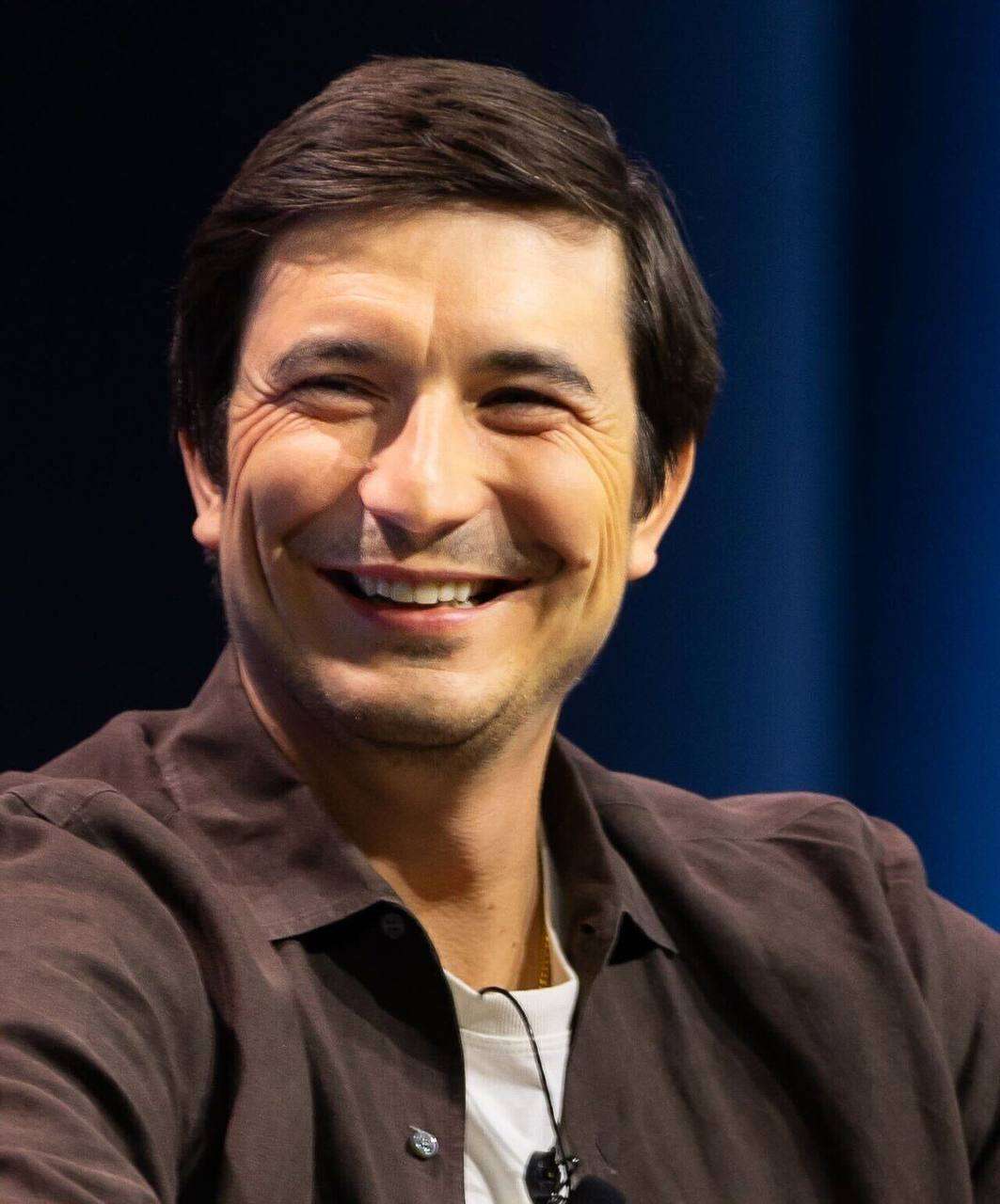
Robinhood CEO Vlad Tenev says the financial world is only in the early stages of a global “tokenization supercycle” that could eventually transform how stocks, bonds and other financial assets are owned and traded.
Speaking about the future of financial markets, Tenev argued that blockchain-based tokenization could fundamentally reshape traditional finance, describing the trend as one that could eventually “eat the entire financial system.”
Tokenization involves creating blockchain-based representations of real-world assets. In financial markets, this could allow securities to be traded with faster settlement, greater accessibility and potentially around-the-clock availability.
Tenev pointed to Robinhood’s expansion into tokenized stocks as an example of where the industry could be heading. The company has already introduced blockchain-based stock products for customers outside the United States and is developing its own blockchain infrastructure for financial applications.
One of the biggest attractions is the possibility of making financial markets more efficient. Traditional stock trades currently settle on a T+1 basis, meaning transactions are generally completed one business day after the trade. Blockchain-based systems could potentially reduce settlement times significantly while allowing assets to move between compatible digital wallets more easily.
Tenev also believes tokenization could broaden access to investments that have historically been difficult for ordinary investors to reach, including private-company shares and other traditionally illiquid assets.
The idea is gaining attention well beyond Robinhood. Investors and major financial institutions are increasingly exploring blockchain-based versions of traditional assets, with tokenized securities potentially creating markets that operate continuously rather than being restricted by conventional exchange hours.
Tenev’s comments reflect a broader shift in the financial industry: blockchain is increasingly being viewed not simply as the technology behind cryptocurrencies, but as potential infrastructure for the next generation of financial markets.
However, significant regulatory and technological challenges remain, particularly in the United States. Questions surrounding investor protection, ownership rights, custody, settlement and securities laws will need to be resolved before tokenized assets can become mainstream.
For Tenev, though, the direction is already clear. He believes the industry is still at the beginning of a much larger transformation—and that tokenization could eventually become a fundamental part of how the global financial system operates.
Discover more from Scoop Hub
Subscribe to get the latest posts sent to your email.