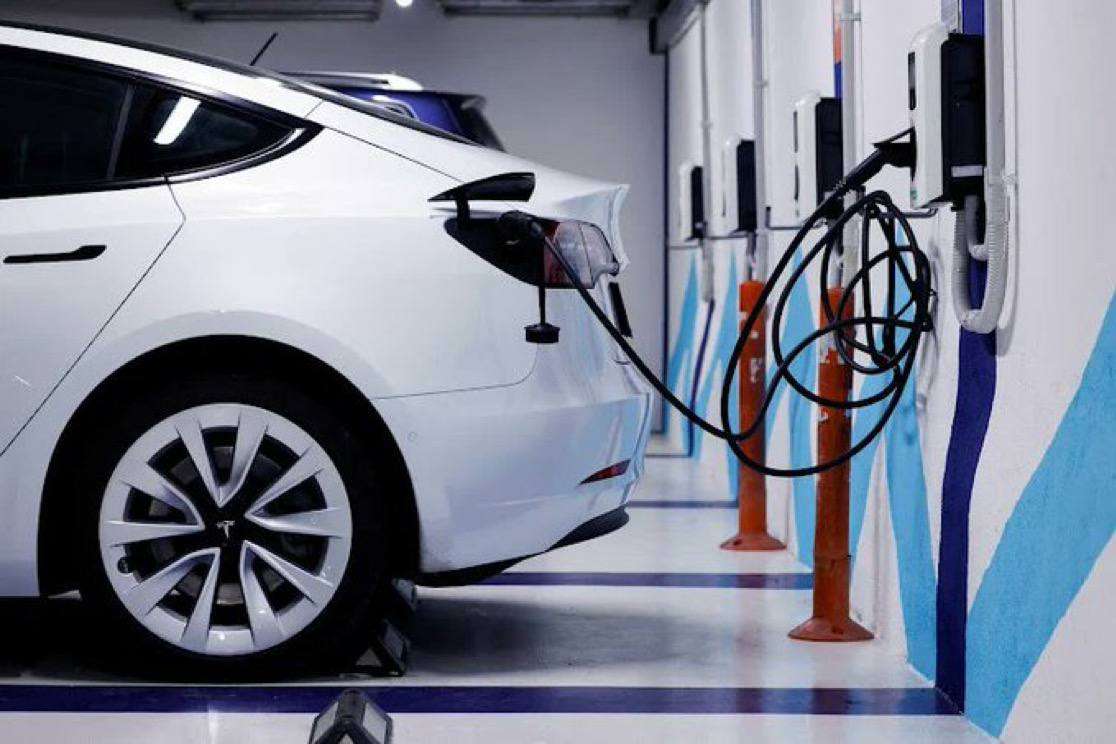
Nigeria’s Federal Government has approved tax waivers for nearly 4,000 electric vehicles (EVs) imported into the country during the first half of 2026, in a move aimed at accelerating the adoption of cleaner transportation.
The approvals are the first to be processed under a new government programme designed to promote electric mobility through tax incentives and local vehicle assembly. The initiative is part of Nigeria’s broader effort to reduce dependence on petrol and diesel vehicles and support the country’s long-term energy transition.
According to government data reviewed by Reuters, the tax waivers cover almost 4,000 electric vehicles imported between January and June 2026. The policy comes as Nigeria seeks to make EVs more affordable and attractive to motorists despite major challenges in the country’s power sector.
Nigeria’s 2022 Energy Transition Plan targets electric vehicles making up 60 per cent of the country’s vehicle fleet by 2050. However, the country remains at an early stage of electric vehicle adoption. Official figures on the total number of EVs currently operating on Nigerian roads are not readily available, while industry estimates suggest that electric vehicles still account for less than one per cent of the national vehicle fleet.
The Federal Government has introduced several fiscal incentives to encourage the transition. Electric vehicles were exempted from value-added tax in 2024, while import duties on EVs were reduced from five per cent to zero this year.
These measures have become increasingly significant following the removal of Nigeria’s petrol subsidy in 2023, which pushed up fuel costs and increased interest in more fuel-efficient transportation alternatives.
Despite the incentives, Nigeria’s electricity supply remains one of the biggest obstacles to widespread EV adoption. The national grid currently supplies roughly 4,000 megawatts of electricity to a population of more than 200 million people, leaving households and businesses heavily dependent on petrol and diesel generators.
The electricity challenge has also affected the growing EV industry. Charging stations, dealerships and battery-swapping businesses often rely on generators when grid electricity is unavailable, creating an unusual situation in which some electric vehicles are being powered indirectly by fossil-fuel-generated electricity.
Still, industry stakeholders argue that Nigeria should not delay its electric mobility ambitions until the country achieves a fully reliable power supply.
Bolanle Boboye, an executive at Saglev, Nigeria’s first electric vehicle manufacturer affiliated with Chinese automaker Dongfeng, said the country needs to advance its energy and transportation transitions at the same time.
“If we wait for electricity to become perfect before adopting EVs, the rest of the world will leave us behind,” Boboye said.
He also argued that electric vehicles could provide environmental benefits even when their batteries are charged using electricity generated from diesel-powered generators, because EVs can still reduce overall emissions compared with conventional petrol and diesel vehicles.
Nigeria’s latest tax-waiver approvals therefore represent more than an incentive for vehicle buyers. They signal the government’s determination to build an electric mobility ecosystem while simultaneously addressing the country’s energy challenges.
For Nigeria, the success of the EV transition will ultimately depend not only on reducing taxes and increasing vehicle imports, but also on expanding charging infrastructure, improving electricity reliability and supporting local vehicle and battery-related manufacturing.
With nearly 4,000 EVs receiving tax waivers in the first half of 2026, the government appears to be taking a more aggressive step toward its long-term electric mobility target. The bigger question now is whether Nigeria’s power infrastructure can develop quickly enough to support the growth of the electric vehicle market.
Discover more from Scoop Hub
Subscribe to get the latest posts sent to your email.