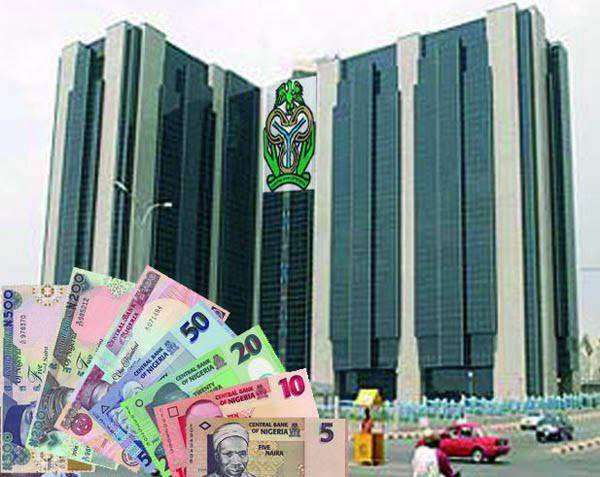
The Central Bank of Nigeria (CBN) spent ₦464 billion on printing, distributing, processing, and destroying naira notes in 2025, according to its latest audited financial statements. The figure represents a sharp increase from the ₦238.6 billion recorded in 2024, reflecting a year-on-year rise of more than 94 percent in the cost of managing Nigeria’s currency.
The financial report shows that the expenditure covered the production of new banknotes, nationwide distribution, the processing of cash already in circulation, and the destruction of worn-out and unfit notes removed from the financial system. Currency issuance remained one of the Central Bank’s largest operational expenses during the year under review, highlighting the growing cost of maintaining cash circulation across the country.
In addition to currency management, the CBN and its subsidiaries recorded ₦416 billion in personnel-related expenses in 2025. According to the financial statements, ₦56.2 billion was spent on wages and salaries, while ₦28.2 billion went toward defined benefit plan obligations. The report also revealed that ₦226 billion was allocated to other staff allowances, with an additional ₦87.1 billion classified as other staff-related expenses.
The figures underscore the significant operational costs associated with the Central Bank’s responsibilities, which include implementing monetary policy, managing Nigeria’s currency supply, regulating the financial sector, and maintaining financial system stability.
The release of the financial statements comes at a time when Nigeria is accelerating efforts to strengthen its digital payment ecosystem while improving security against financial crimes.
Despite continued growth in electronic transactions, the CBN disclosed that Nigeria recorded ₦25.85 billion in digital payment fraud losses in 2025. Although this marks a significant improvement from the ₦52.26 billion lost to fraud in 2024, the apex bank noted that financial institutions continue to face substantial risks from cybercrime and increasingly sophisticated fraud schemes.
In its assessment of risks facing Nigeria’s payment system, the CBN identified cyber threats, systemic risks, the dominance of a small number of major payment service providers, and the activities of unlicensed operators as key vulnerabilities within the country’s financial ecosystem.
According to the report, the growing integration between banks, fintech companies, and payment service providers through shared payment infrastructure has increased the potential for widespread disruptions if a major participant experiences operational challenges or security breaches.
The apex bank stressed that while fraud-related losses declined considerably in 2025, the evolving nature of cyber threats requires stronger cybersecurity measures, enhanced fraud detection systems, and closer collaboration among financial institutions to protect Nigeria’s rapidly expanding digital payments landscape.
As both cash and digital transactions continue to play critical roles in the country’s economy, the CBN’s latest financial report highlights the rising cost of currency management alongside the ongoing need to strengthen the security and resilience of Nigeria’s financial system.
Discover more from Scoop Hub
Subscribe to get the latest posts sent to your email.