The Federal Government has announced plans to make public the details of savings generated from the removal of fuel subsidies, as it continues to defend a series of economic reforms introduced to stabilize Nigeria’s economy.
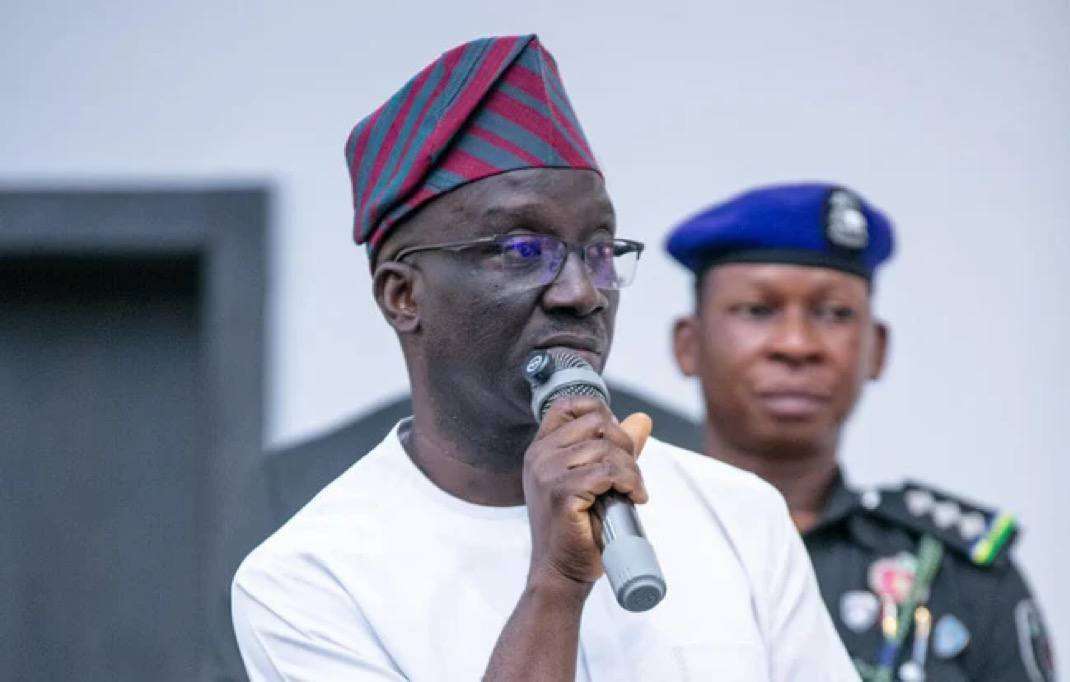
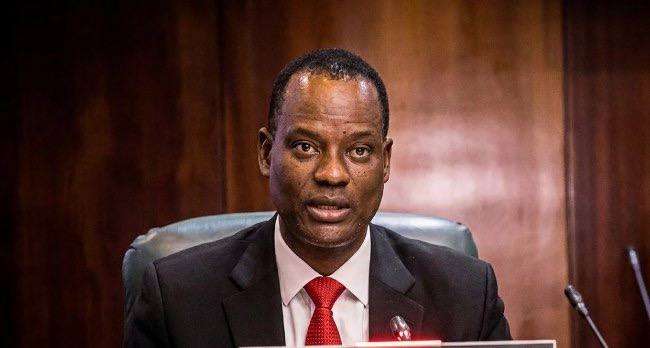
Speaking at the African Emerging Markets Forum in Abuja, the Minister of Finance and Coordinating Minister of the Economy, Taiwo Oyedele, said the government recognizes the growing public demand for greater transparency regarding how the funds saved from subsidy removal have been utilized.
According to Oyedele, the question of what happened to the subsidy savings is both understandable and legitimate. He assured Nigerians that the government intends to publish comprehensive details showing how the resources have been allocated.
The minister explained that before the reforms, fuel subsidies and what he described as an implicit foreign exchange subsidy were costing the country approximately five percent of its Gross Domestic Product (GDP). While the removal of both subsidies created fiscal savings, he noted that a significant portion of those funds has been redirected toward addressing other pressing financial obligations.
One of the major areas consuming the savings, according to Oyedele, is debt servicing. He revealed that government borrowing costs have increased substantially, with interest rates rising from about eight percent before the reforms to as high as 24 percent afterward. This sharp increase has significantly raised the cost of financing government obligations.
He also pointed to the implementation of the new national minimum wage as another major expenditure. Following the increase in the minimum wage to ₦70,000 per month, the Federal Government’s wage bill has nearly doubled, placing additional pressure on public finances while improving workers’ earnings.
Beyond salary adjustments, Oyedele disclosed that the government has expanded investment in education through its student loan programme. The initiative currently provides tuition support and monthly stipends to more than 1.5 million Nigerian students, representing another significant area where public funds are being directed.
Addressing concerns over the economic hardship experienced by many Nigerians since the reforms were introduced, the minister acknowledged that the transition has not been easy. However, he argued that a temporary decline in purchasing power and real household incomes was an expected consequence of removing long-standing subsidies that had distorted the economy.
His comments also came in response to a recent assessment by the International Monetary Fund, which suggested that millions of Nigerians continue to experience poverty despite reforms that have been positively received by international investors.
Oyedele disagreed with the suggestion that the success of the reforms should be measured solely by economic growth figures. Instead, he said the government intends to evaluate progress using broader indicators, including multidimensional poverty levels, growth in real income per person, and changes in income inequality.
The minister maintained that these measures would provide a more accurate picture of how economic reforms are affecting the lives of ordinary Nigerians rather than relying only on headline GDP figures.
As the government prepares to release a detailed account of the subsidy savings, many Nigerians are expected to closely examine how the funds have been managed and whether the reforms will ultimately translate into improved living standards, stronger public services, and sustainable economic growth.
The planned publication is expected to play an important role in promoting transparency, strengthening public confidence, and providing greater clarity on one of the most significant economic policy decisions taken by the current administration.
Discover more from Scoop Hub
Subscribe to get the latest posts sent to your email.